When choosing hull paint for boats, you want protection that lasts, ease of application, and compatibility with your boat type. This guide highlights five top options for antifouling bottoms and topside coatings, explaining who each is best for, plus practical pros and limits. Ideal buyers include frequent saltwater users, marina-concerned owners, and aluminum or fiberglass hull owners seeking simple maintenance. Below, compare each product’s key features, best-use scenarios, and potential limitations to help you pick the right coating for your vessel.
Summary table of selected products:
- TotalBoat Underdog Antifouling — Best for frequent saltwater use and durable bottom protection.
- Rust-Oleum Marine Topside Paint — Best for above-waterline surfaces on fiberglass, wood, or metal.
- TotalBoat Wet Edge — Best for a high-gloss, long-lasting topside finish above the waterline.
- TotalBoat JD Select Ablative — Best for season-long antifouling with easy burnout and low odor.
- Interlux BottomKote NT — Best for fiberglass bottoms needing a simple, reliable coat.
TotalBoat Underdog Marine Antifouling Bottom Paint
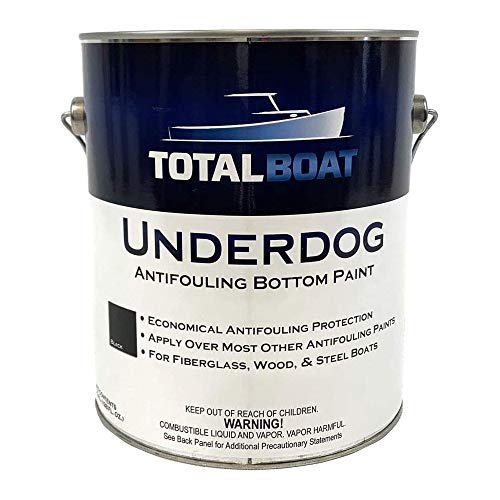
Best for boats used in saltwater environments where protection against barnacles and mussels is needed over a single season. This copper-biocide formula releases fresh biocide as water flows under the hull, helping prevent fouling without buildup. The coating is designed for properly prepared fiberglass, wood, steel, and iron bottoms, and its ablative nature reduces the need for heavy sanding next season. It is especially suited to sailboats, powerboats, and work boats that are frequently hauled or trailered.
Best for: frequent saltwater users who want simple maintenance with a single-season antifouling solution. Caution: ablative coatings wear away with use, so performance changes over time and season-to-season reapplication may be needed.
Rust-Oleum Marine Coatings Topside Paint, White

Best for above-the-waterline surfaces on fiberglass, wood, or metal where a flexible, easy-to-apply finish is desired. This oil-based formula offers good leveling and a rapid dry time, with coverage up to about 100 square feet per quart. It’s a solid choice for sailors and hobbyists needing a dependable topside coat with a smooth, paintable surface that resists everyday exposure.
Best for: owners seeking a durable, easy-to-apply topside finish. Caution: oil-based paints may require ventilation during application and longer curing times in humid conditions.
TotalBoat Wet Edge Topside Marine Paint

Best for achieving a durable, high-gloss, chemical-resistant topside finish with maximum color and gloss retention. This one-part polyurethane paint is simple to apply with rolling, brushing, or spraying, and is designed for use above the waterline. It is versatile enough for power boat hulls, sailboat topsides, RV exteriors, and door trims, delivering a showroom-like look with multi-season protection.
Best for: owners who want a premium, low-maintenance topside finish. Caution: intended for above-waterline use only; it may not provide antifouling properties below the waterline.
TotalBoat JD Select Ablative Antifouling Bottom Paint

Best for boats that stay in salt or fresh water and need a season-long antifouling solution with low odor and low VOCs. This ablative formula wears away as the boat moves, minimizing bottom paint buildup and reducing future sanding. It cleans up easily with soap and water, making it marina-friendly and suitable for environmentally sensitive areas. It can be burnished for smoother speed and fuel efficiency after application.
Best for: owners seeking a low-odor, easy-cleanup antifouling option with predictable annual maintenance. Caution: as an ablative coating, its performance depends on water conditions and boat movement throughout the season.
Interlux YBB379G Fiberglass Bottomkote NT

Best for fiberglass bottoms that require a simple, dependable bottom paint option. The BottomKote NT line from Interlux provides a straightforward antifouling solution that’s compatible with fiberglass. While the product name emphasizes fiberglass, it is important to verify surface prep requirements and local marina guidelines when selecting antifouling coatings for specific environments.
Best for: owners needing a straightforward antifouling approach for fiberglass hulls. Caution: always confirm the exact product variant and application instructions for your boat’s material and local water conditions.
Buying Guide: Key Considerations For Hull And Topsides Paint
- Fiberglass, wood, steel, and aluminum each respond differently to antifouling and topside paints. Confirm compatibility with your hull material and any anti-corrosion mandates in your area.
- Below-waterline coatings must fight barnacles and weeds, while above-waterline topsides focus on UV resistance, abrasion, and chemical resistance.
- Saltwater environments often require more robust antifouling protection than freshwater, while marina rules may limit certain chemicals or VOCs.
- Consider paint type (ablative vs non-ablative, oil-based vs water-based) and whether you prefer fast-drying formulas or long setup times for larger surfaces.
- Ablative paints wear away; expect next-season prep to be different. Non-ablative options may build up and require sanding.
- Low-VOC formulations reduce emissions; ensure proper ventilation and discard practices per local regulations.
Frequently Asked Questions
- What is the difference between ablative and hard antifouling paints? Ablative coatings wear away as the boat moves, reducing buildup and easing maintenance. Hard or non-ablative coatings stay intact longer but can require more sanding during reapplication.
- Can I use topside paint below the waterline? No. Topsides are for above-water surfaces and are not designed to resist fouling below the waterline.
- Is any antifouling paint safe for marinas? Some low-VOC or water-based antifoulants are designed to be marina-friendly; always check local regulations before application.
- Do I need a primer for aluminum hulls? Some aluminum-specific paints require dedicated primers for best adhesion; follow the manufacturer’s prep instructions.
- How long does it take for paint to cure before launch? Cure times vary by formula and temperature; always follow the product’s dry time guidance to ensure proper adhesion and performance.
- Which coating is best for heavy marine use? For frequent use in saltwater, choose a proven antifouling product designed for season-long protection and easy maintenance, such as ablative or copper-based formulas, aligned with your hull material.