If you’re chasing improved planing, steadier handling, and better fuel economy, hydrofoil stabilizers for boat motors are a smart upgrade. This guide highlights five reliable options across common HP ranges to help you choose based on engine size, installation style, and riding conditions. Ideal buyers include casual anglers needing smoother rides, speed-focused boaters seeking quick plane, and enterprise users prioritizing stability and hull control. Below is a quick table to compare the picks at a glance.
| Product | HP Range | Best For | Installation |
|---|---|---|---|
| QuickMarine Boat Hydrofoil Stabilizer | 5-150 HP | General use, small to mid-size outboards | Non-drill, simple install |
| Stingray Classic Senior 2 | 40-300 HP | Risers, quick lift, rough-water handling | No-drill design |
| Universal Whale Tail Kit | 5-150 HP | Budget-friendly, versatile fit | Simple, universal sizing |
| Doel-Fin Hydrofoil Stabilizer | 5-150 HP | Planing efficiency, stern lift | Universal fit |
| Hydro-Shield R35 / R45 Series | 8-115 HP (R35); 8-90 HP (R45) | Prop protection and stability | Skeg-mounted |
QuickMarine Boat Hydrofoil Stabilizer
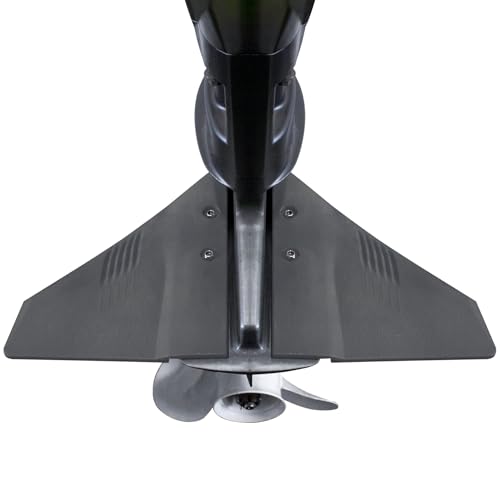
Best for: small to mid-range outboards up to 150 HP. This Doel Fin style stabilizer is designed to fit a wide range of engines, including Yamaha, Mercury, Honda, Suzuki, and Tohatsu, and is compatible with stern drives up to 150 HP. It’s built from UV-resistant reinforced PA66 plastic for durability in varied conditions and is noted for easier installation.
Why chosen: The QuickMarine stabilizer emphasizes universal fit and a lightweight, durable construction. Its quick-install design helps boaters who want a straightforward upgrade without complex drilling.
Limitations: Some boats with unconventional lower units may require minor adjustments for optimal alignment. This model focuses on general compatibility rather than specialized hull configurations.
StingRay Classic Senior 2 Hydrofoils

Best for: outboards and outdrives ranging 40-300 HP. The Classic Senior 2 is a no-drill hydrofoil known for its robust, single-piece construction that enhances lift and stability across a broad horsepower spectrum.
Why chosen: StingRay claims superior lift and reduced cavitation, with a heavy-duty build intended to improve planing speed and fuel efficiency. It’s a popular, proven option for riders seeking a balance of performance and value.
Limitations: Some users may find the best gains come with properly tuned mounting and hull conditions; improper alignment can limit lift efficiency.
Universal Whale Tail Hydrofoil Stabilizer Fin Kit
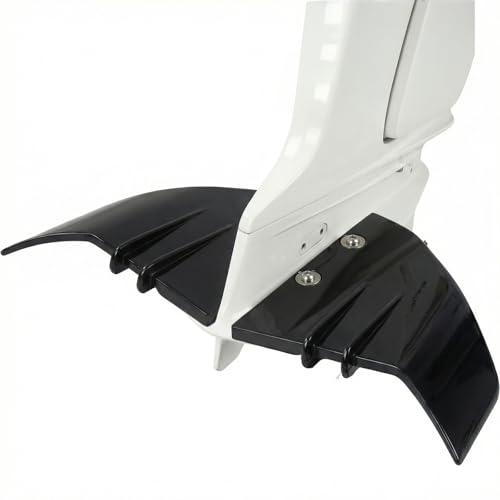
Best for: universal 5-150 HP outboards and stern drives needing improved stability. This kit emphasizes a compact footprint with precise dimensions (H 7.5″, W 7″) for broad compatibility and straightforward installation.
Why chosen: It focuses on reducing front-end lift during acceleration, delivering a more balanced ride and better control in choppy water. Ideal for everyday boaters who want a steady, predictable wake profile.
Limitations: Universal sizing may require minor adjustments for edge cases or non-standard lower units.
Doel-Fin Hydrofoil Stabilizer

Best for: 5-150 HP outboard motors and sterndrives seeking improved planing and stability. This Doel-Fin variant is built from PA66 plastic and is sized to raise the stern for quicker planing without intensive modification.
Why chosen: Its emphasis on planing characteristics makes it a solid pick for boats that frequently transition from idle to plane, helping reduce porpoising and chine walking.
Limitations: May require careful alignment to ensure maximum lift; some installations benefit from a helper during mounting.
Hydro-Shield Hydrofoil Boat Stabilizer R35
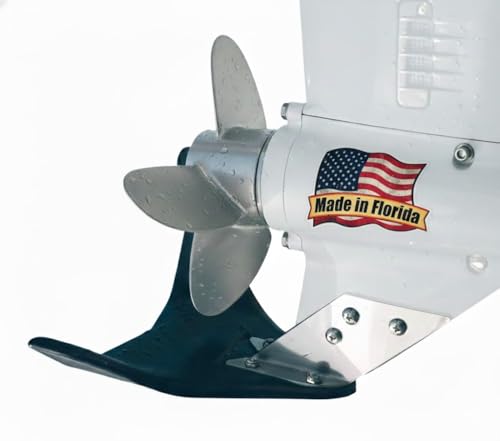
Best for: outboards in the 25-115 HP range on small boats up to 18 feet, including popular brands. The R35 version focuses on prop protection and improved planing, with four size options to match vessel class.
Why chosen: Hydro-Shield’s R35 is designed to accelerate planing, enhance helm control, and shield the propeller and skeg from underwater impacts—benefits for tight waterways and frequent docking scenarios.
Limitations: Available sizes require checking for exact compatibility with your engine’s mounting pattern and lower-unit configuration.
StingRay Starfire Hydrofoils

Best for: 40-300 HP boats needing no-drill installation with enhanced lift. The Starfire model marks StingRay’s no-drill approach and offers a stylish, high-performance option for mid-to-large outboard setups.
Why chosen: It combines aesthetic appeal with practical lift gains and improved handling, especially for boats that frequently operate at higher speeds or in mixed wake conditions.
Limitations: No-drill designs may have less flexibility for extremely custom mounting compared to threaded, drill-based alternatives.
Buying Guide: How To Choose The Right Hydrofoil Stabilizer
What performance gains should you expect?
Hydrofoil stabilizers primarily aim to shorten the time to plane, increase stability during acceleration, reduce porpoising, and improve rough-water handling. They can also contribute to smoother rides and potentially better fuel economy by maintaining a steadier wake and reducing engine strain at lower speeds.
Which blade or fin design fits my boat?
No-drill designs offer quick upgrades for many hulls and outboard configurations, while drill-based or fixed-mount options may provide more aggressive lift for larger or heavier craft. Check your engine horsepower, shaft height, and lower-unit shape to ensure compatibility.
What are the installation considerations?
Consider whether you prefer universal, easy-install models or purpose-built solutions for specific brands. Also assess whether your boat frequently runs in chop or calm water, as this can influence the choice of stability-focused designs.
How do I compare durability and materials?
Many stabilizers use reinforced PA66 plastic or similar composites. Look for UV resistance, impact tolerance, and long-term resilience in marine environments. A sturdier build tends to support longer service life in harsh conditions.
What about maintenance and safety?
Regularly inspect mounting hardware and foil alignment. Ensure the stabilizer does not contact the propeller or hull during turns, and verify that any protective shields are intact to minimize prop and skeg damage.
Quick decision checklist
- Horsepower range: Does the model cover your engine class?
- Installation type: No-drill or drilled, universal fit or brand-specific?
- Durability: Is the material UV-stable and impact-resistant?
- Riding conditions: Do you operate mainly in chop, calm water, or mixed wakes?
- Maintenance: Are replacements and spare parts readily available?
Frequently Asked Questions
- Do hydrofoil stabilizers improve fuel economy?
Yes, by helping the boat reach and hold planing more efficiently, reducing engine RPM at equivalent speeds.
- Are no-drill hydrofoils as effective as drilled options?
They can be, especially for quick upgrades and broad compatibility, but some high-performance setups may benefit from a drilled, fixed-mix installation for optimal lift.
- Will a hydrofoil stabilize my boat in rough water?
Hydrofoils can improve stability and reduce porpoising in many hulls, but performance varies with hull design and load.
- How do I know which HP range to buy for?
Match the stabilizer to your engine’s horsepower rating and check the product’s stated HP range for compatibility.
- Is installation difficult for beginners?
Many no-drill designs are straightforward, but follow manufacturer instructions carefully, and consider professional help if needed for precise alignment.
- Do hydrofoils shield propellers?
Some models include protective benefits for the prop or skeg, while others focus primarily on lift and stability.