Direct answer: Use purpose-built carburetor cleaners and kit sets designed for small engines to maintain jet skis. These products help remove gum, varnish, and varnish-like deposits, improve idle and throttle response, and prevent future buildup. They’re best for boaters and personal watercraft owners who want reliable fuel-system maintenance, especially for aging jets and seasonal use. The following picks cover spray cleaners, cleaning tool kits, and multi-tool sets suitable for jet ski carb cleaning and related small-engine ports.
| Product | What It’s Best For | Key Benefit |
|---|---|---|
| Gumout 800002231 Carb/Choke Cleaner | Carburetor cleaning on small engines | Quick deposit removal and improved fuel economy |
| LImeiy Carburetor Cleaning Kit | Tight spaces and hard-to-reach ports | Flexible tools for precision cleaning |
| 9Pcs Carburetor Cleaning Tool Kit | All-in-one maintenance for multiple carb passages | Comprehensive cleaning with stainless/supplementary tools |
| WAVESRX EpicFlush+ | Marine engines exposed to salt and corrosion | Salt removal and corrosion protection |
| Valchoose Torch Tip Cleaner Kit | Small-diameter passages and jet ports | Sturdy carbide-like tools for precise cleaning |
The table above helps buyers compare core strengths. The article sections below detail each option to help you decide which setup best fits your jet ski’s carburetor cleaning needs and your maintenance routine.
Gumout Carb/Choke Cleaner Spray
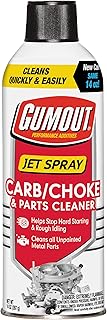
Best for quick, general carb cleaning on small engines. This spray targets gum, varnish, and dirt deposits inside and outside the carburetor chamber, helping to improve engine performance and fuel economy. It’s described as effective against rough idling, hard starting, and stalling. Suitable for jet ski carburetors that exhibit clog-related symptoms. Limitation: spray products may require additional mechanical cleaning for heavily substituted passages.
Who it’s best for: Boat owners needing a fast-deploy cleaner for routine maintenance and preventive cleaning. Why selected: widely available, simple application, and designed to address common carb-related issues.
LImeiy Carburetor Cleaning Kit
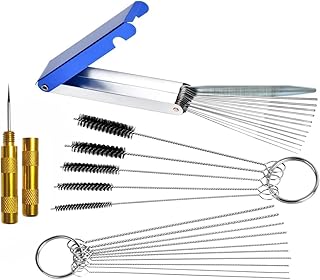
Best for cleaning tight spaces and hard-to-reach carb passages. This kit includes multiple wire diameters, nylon brushes, needles, and a pick tool to access small jets and choke ports. It’s well-suited for hobbyists or service techs who need flexible tools to enter cramped carburetor interiors. Limitation: some users may require familiarity with tool handling to achieve optimal results.
Who it’s best for: DIYers maintaining jet skis or other small engines with compact carburetor layouts. Why selected: broad array of diameters and brushes, designed to reach tight corners and stubborn blockages.
9Pcs Carburetor Cleaning Tool Kit

Best for an all-in-one maintenance approach. This kit bundles needles, stainless steel implements, nylon brushes, and hooks to tackle carbon deposits and varnish across multiple jet passages. It supports thorough carb cleaning, which can help restore power and fuel efficiency. Limitation: kit-focused cleaning is most effective when paired with solvent or spray-based cleaners and careful technique.
Who it’s best for: technicians and experienced hobbyists who want a single purchase covering diverse carb cleaning tasks. Why selected: comprehensive tool set that reduces the need for separate instruments.
WAVESRX EpicFlush+ Marine Engine Cleaner

Best for saltwater exposure and corrosion protection. This product focuses on removing salt deposits and rust while providing a protective coating to prevent future buildup. It’s designed to help all-inboard, outboard, and jet engines run cooler and more efficiently after flushing. Limitation: intended for flushing and rinse cycles; it does not substitute for ongoing combustion-system maintenance.
Who it’s best for: jet ski owners in saltwater environments or those who store boats for extended periods. Why selected: dual benefit of cleaning and protective coating to extend engine life in corrosive conditions.
Valchoose Torch Tip Cleaner Kit

Best for small-diameter jet ports and heavily crusted deposits. The kit includes 13 cleaning wires, 5 nylon brushes, 10 cleaning needles, and a sharp pick tool for precision work. It’s designed to fit smaller passages found in many jet skis and small engines. Limitation: niche sizing means it may be less effective on larger carburetor ports without compatible adapters.
Who it’s best for: technicians and enthusiasts dealing with compact carburetor passages and jet ports. Why selected: sturdy, compact tool set with multiple diameters to address diverse jet sizes.
Buying Guide
- Carb type and engine size. Choose cleaners and tools tailored to your jet ski’s carburetor size and passage diameters. Smaller engines benefit from slim needles and fine brushes, while larger carbs may need broader brushes and longer tools.
- Cleaning method. Spray cleaners work fast for deposits, while tool kits provide physical scrubbing for stubborn varnish. For comprehensive maintenance, combine both approaches.
- Saltwater exposure. If you operate in saltwater, prioritize products that remove salt deposits and offer corrosion protection to extend engine life.
- Ease of use. For DIY enthusiasts, kits with clear instructions and a mix of brushes and needles reduce trial-and-error cleaning time. For pros, all-in-one kits save switch-outs between tasks.
- Maintenance schedule. Use sprays regularly to prevent buildup; perform deeper cleanings seasonally or after storage to preserve fuel economy and throttle response.
FAQ
What is the primary sign you need a carb cleaner for a jet ski?
Symptoms include hard starting, rough idling, stalling, or high exhaust emissions due to varnish and gum buildup inside the carburetor.
Can I use any generic carb cleaner on a jet ski carb?
It’s best to use cleaners designed for small engines and carburetors to avoid material compatibility issues and ensure effective residue removal.
Should I combine spray cleaners with a cleaning kit?
Yes. Sprays remove surface buildup quickly, while tools physically clear stubborn deposits, providing a more thorough clean.
How often should I flush saltwater-affected engines?
Regular flushing after each use in saltwater, plus a seasonal deep clean, helps prevent corrosion and extends engine life.
Is professional service required for carb cleaning?
Not always. Basic maintenance can be done by informed DIYers using the right tools, though severe blockages may require a professional service.