Answering the need for safer, more stable Jon boats requires reliable buoyancy pods that are easy to install and durable in marine conditions. This guide highlights five top options tailored for Jon boats, fishing boats, and small pontoons. The best picks suit different boat sizes, installation preferences, and durability needs. Below is a quick overview of the chosen products and who they’re best for.
| Product | Best For | Key Benefit |
|---|---|---|
| Oxphanor Boat Float Pods Pair Fits 14‘ – 16’ Boats | Smaller Jon boats | Easy install; UV resistant; strong buoyancy |
| Beavertail Boat Float Pods, Medium | 17’–18’ boats | Up to 175 lbs extra flotation; improves take-off |
| Siftary Aluminum Boat Flotation Pods | 17’–18’ aluminum jon boats | Marine-grade aluminum; permanent or bolt-on options |
| Oxphanor Boat Float Pods Pair Fits 17‘ – 18’ Boats | Mid-size jon/fishing boats | Durable, UV resistant; quick install |
| Beavertail Boat Float Pods, Large | 20’ boats | Up to 200 lbs extra flotation; larger hull support |
Oxphanor Boat Float Pods Pair Fits 14‘ – 16’ Boats

Best for smaller Jon boats that need extra buoyancy without heavy modification. Oxphanor pods are designed to deliver superior buoyancy and stability, reducing draft while increasing overall stability. The UV-resistant material helps it resist salt and sun exposure, making it suitable for both freshwater and saltwater use. The included pod handles, screws, pod plug, pipe seal tape, installation tools, and instructions simplify the process for DIY installations. Choose this if you own a 14’–16′ Jon boat and want a quick, tool-light upgrade that improves balance and performance. A potential limitation is that smaller hulls may benefit most from a pair of pods installed in a balanced position to avoid trimming issues.
Beavertail Boat Float Pods, Medium

Best for mid-sized boats around 17’–18’. These pods come in a two-pack and provide up to 175 lbs of extra flotation, which can dramatically improve out-of-the-hole take-off and early planing. The design emphasizes easier handling and quicker stability during acceleration. This option is ideal for boaters seeking noticeable lift and balance without complex retrofits. It’s not ideal for boats smaller than 17’, where the added buoyancy may overwhelm weight distribution, or for boats requiring a bolt-on versus welded installation depending on hull design.
Aluminum Boat Flotation Pods – Marine-Grade Alloy Transom Pods

Best for aluminum jon boats and vessels around 17′–18′. These marine-grade aluminum pods offer corrosion resistance and a robust welded design, delivering reliable buoyancy. They provide up to 175 lbs extra buoyancy to offset motor weight and gear, supporting a more balanced ride. The dual installation options—permanent weld or bolt-on modification—give you flexibility for DIY or professional installations. Choose this if you want a permanent or adaptable solution for an aluminum hull; avoid if your setup requires a non-weld approach without modifying the transom.
Oxphanor Boat Float Pods Pair Fits 20’ Boats

Best for larger jon boats around 20’. This pair provides superior buoyancy and stability while keeping installation straightforward. The pods are designed to withstand marine conditions and are UV resistant, ensuring longevity even with sun exposure. The included installation components support quick setup with minimal tools. Best for owners upgrading a 20′ vessel that demands stronger flotation without sacrificing deck space. A limitation might be compatibility with certain custom transoms depending on mounting configuration.
Beavertail Boat Float Pods, Large
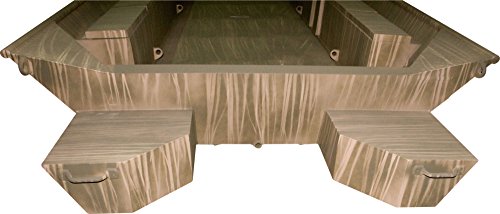
Best for large boats 20′ and above, offering up to 200 lbs of extra flotation. These pods help with take-off performance and planing on bigger hulls, where extra buoyancy yields a noticeable lift. They’re a solid choice when upgrading an aging vessel that routinely carries heavy loads. The main caveat is ensuring your hull has the appropriate transom or mounting space to accommodate the pods without interference with trim and propulsion components.
Buying Guide: What To Consider When Choosing Boat Float Pods
- Boat size and type: Match pod size and buoyancy to your hull length, weight, and typical load.
- Installation method: Decide between permanent welding, bolt-on options, or quick-install kits based on hull material and DIY comfort level.
- Material durability: UV resistance and corrosion resistance are crucial for longevity in saltwater and sun exposure.
- Buoyancy target: Consider how much additional buoyancy you need to improve planing, stability, and weight balance with gear and motor.
- Compatibility: Check transom dimensions, motor height, and existing hardware to avoid clearance or mounting conflicts.
Frequently Asked Questions
- How do float pods affect boat performance?
Float pods increase buoyancy, reduce draft, and can improve stability, especially when carrying heavier gear or motors.
- Can float pods be installed on aluminum Jon boats?
Yes, aluminum-specific pods like the Siftary model are designed for aluminum hulls, with options for permanent or bolt-on installation.
- Are the pods resistant to UV and saltwater?
Most listed options use UV-resistant materials and marine-grade construction to withstand saltwater and sun exposure.
- Is professional installation required?
Many pods include installation tools and instructions for DIY setup; permanent weld installations may benefit from professional help.
- Which pod size should I choose for a 17’–18’ boat?
Pods in the 17′–18′ range are typically ideal for mid-size Jon boats, offering noticeable buoyancy benefits without overburdening the hull.
- Do pods affect speed or fuel efficiency?
Buoyancy can influence draft and trim, potentially improving acceleration and stability. Exact effects depend on hull design and load distribution.