Answering the search query directly, this guide highlights ballast and ballast-replacement options for boats, including steel shot bags and lead bags, designed to fine-tune wakes, improve stability, and support safe water operations. The top picks here suit boat owners, wake surfers, and wakeboarders seeking reliable ballast for a customized wake. Each product section explains who it’s best for, why it was selected, and any practical limitations.
Summary table of chosen products:
| Product | Best For | Key Feature |
|---|---|---|
| SHOTBAG BALLAST Bag – 50 LB (Grommet) | Wake surfers and boarders needing strong, durable ballast | Recycled steel shot, padded handle, Tenara thread |
| SHOTBAG BALLAST Bag – 25 LB (Grommet) | Compact ballast tweaks and smaller boats | Same steel shot and build quality in 25 lb |
| SHOTBAG BALLAST Bag – 25 LB (D-Ring) | Easy mounting and quick adjustments | Clean fastening with D-Ring option |
| Camouflage Lead Wake Ballast Bag – 50 LB | Wakesurfers seeking compact lead ballast | Made in USA, easy fine-tuning |
| Tidal Wake Boat Ballast Bag – 50 LB | Low-profile, pump-free ballast | Water-filled, space-saving, portable |
SHOTBAG BALLAST Bag – 50 LB, Grommet

The 50 lb Grommet variant is designed for wake surfers and wakeboarders who need substantial ballast with straightforward installation. It uses fine recycled steel shot instead of lead, reducing toxic exposure during handling. The bag emphasizes user comfort with a padded handle and durability with Tenara PTFE thread that resists sun damage and seam failure. Best for: larger wakes or boats needing steady, substantial wake control. Caution: steel shot may require careful loading to avoid shifting during rough seas; ensure proper placement to maintain balance.
SHOTBAG BALLAST Bag – 25 LB, Grommet

This 25 lb Grommet option offers a compact ballast solution for smaller boats or when incremental wake tuning is needed. It shares the same steel-shot composition and ergonomic handling as the heavier variant, making it a flexible choice for precise weight adjustments. Best for: boats with limited space or users who need occasional lighter ballast. Caution: smaller size may require multiple bags to achieve the same wake pressure as a larger bag.
SHOTBAG BALLAST Bag – 25 LB, D-Ring

The D-Ring variant provides an alternative mounting option for quick setup and secure placement in restricted spaces. The 25 lb capacity supports incremental wake shaping with a durable build and recycled-steel fill. Best for: operators who need easy attachment points and modular ballast. Caution: ensure the D-Ring connection is compatible with your boat’s mounting hardware to avoid slippage.
Camouflage 50lb Lead Wake Ballast Bag

For wakesurfers who specifically want lead ballast, this camouflage 50 lb bag provides a compact footprint and straightforward placement in storage compartments. Best for: users who prefer lead ballast due to familiarity or ballast density. Caution: lead is heavier and requires careful handling and secure placement to prevent shift during rough water.
Tidal Wake Ballast Bag – 50 lb
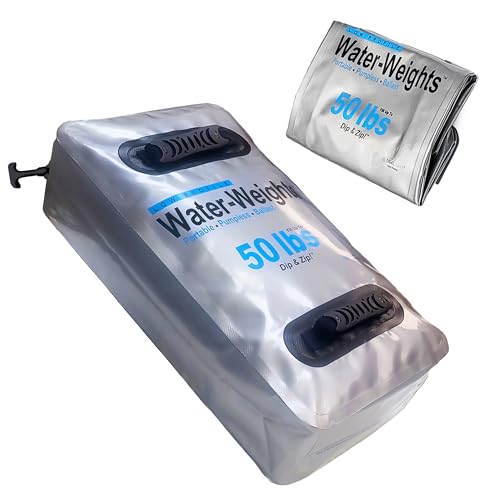
This 50 lb, pump-free ballast bag uses water filling to achieve wake tuning with a low-profile, space-saving design. It stores flat when empty and is portable for on-the-spot adjustments. Best for: boats needing a quick, pump-free ballast solution in tight spaces. Caution: water ballast reduces ballast weight when drained, so plan for ballast needs during prolonged sessions.
Seachoice Large-Capacity Safety Gear Bag

Although not a ballast bag, this large-capacity safety gear bag complements ballast setups by consolidating safety essentials in one place. Best for: crews needing a robust, organized storage solution on board. Caution: not a ballast substitute and should be used for safety gear storage only.
Buying Guide
What ballast size should you choose? Begin with your boat’s weight, wake goals, and storage space. Larger boats and riders seeking dramatic wake changes typically benefit from 50 lb bags, while smaller craft may use 25 lb options or multiple lighter bags for finer tuning.
Steel shot vs. lead ballast: Steel shot reduces exposure risk and is easier to handle, but density and packaging differ from lead. Lead ballast provides higher density per bag but requires careful handling and disposal considerations. Choose based on handling comfort, local regulations, and storage constraints.
Mounting and placement: For quick adjustments, select bags with D-Rings or grommets that match your mounting hardware. If space is tight, opt for compact designs or pump-free water ballast to minimize clutter. Ensure bags are placed to maintain boat balance and safe operation at higher speeds.
Durability and maintenance: Look for reinforced seams, sun-resistant thread (like Tenara), and padded handles to improve longevity and reduce wear on hands. Bags designed for outdoor exposure should resist UV damage and saltwater corrosion.
Safety considerations: Always secure ballast bags to prevent movement during rough water or sharp turns. Regularly inspect fastenings, fill lines, and storage to avoid shifting weight that could compromise stability.
FAQ
- What is the difference between lead and steel ballast bags? Lead is denser per bag, offering greater ballast in a smaller footprint. Steel shot is less toxic and easier to handle, often used in pre-filled or recycled-fill designs.
- How many bags should I use for a typical wake boat setup? It depends on boat size, rider weight, and wake goals. Start with one or two bags and adjust incrementally to achieve the desired wake shape.
- Are there pump-free ballast options? Yes. Some bags use water-fill methods that require no pumps, saving space and setup time.
- Can ballast bags be placed under seats? Yes, low-profile or flat-storage designs can fit under seating areas to keep decks clear.
- What maintenance is needed for ballast bags? Check seams, handles, and fittings regularly, rinse with fresh water after use, and dry completely before storage to prevent mold and material wear.
- Is it safe to mix ballast types? Mixing different ballast types is possible but requires careful balance planning to avoid overloading one area of the boat.