Answering the needs of kayak enthusiasts seeking lightweight, reliable power: these lithium trolling motor batteries are designed for small watercraft, offering longer run times, better weight efficiency, and safer operation. The top picks below are ideal for kayakers who want easy installation, clear power management, and durable performance in varied conditions. Each product suit different kayaker profiles—from casual day-trippers to anglers who rely on electronics on long outings.
Quick comparison table (by key strength):
| Product | Best For | Approx. Weight | Voltage/Capacity | Special Note |
|---|---|---|---|---|
| Renogy 12V 20Ah LiFePO4 | Lightweight kayak setups | ~2–3 lb (drop-in) | 12V, 20Ah | Built-in BMS |
| Newport Trolling Motor Smart Battery Box | All-in-one power hub | Box-based, portable | 12V | USB + DC ports |
| Litime 12V 100Ah LiFePO4 | Longer trips with devices | Heavier but compact | 12V, 100Ah | Bluetooth monitoring |
| Lampword 12V 15Ah LiFePO4 | Compact, secondary power | Very light | 12V, 15Ah | Multiple safety features |
| BUKNUWO 12.8V 100Ah LiFePO4 | High capacity in compact form | Lightweight | 12.8V, 100Ah | Expandable series/parallel |
Renogy 12V 20Ah Trolling Motor Lithium Battery
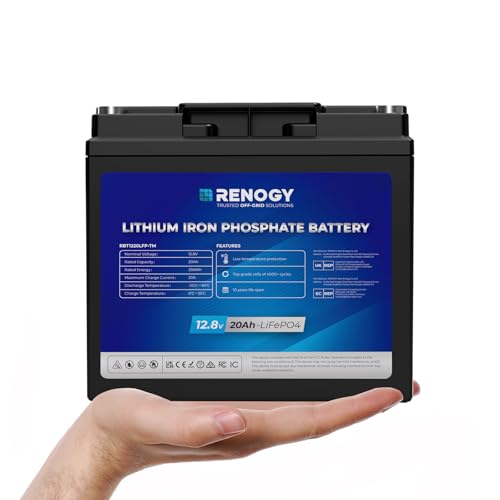
- Brand: Renogy
- Type: LiFePO4 with built-in 20A BMS and low-temp cut-off
- Weight: Approximately 50% lighter than lead-acid equivalents
- Best for: Kayaks needing a compact, light battery with basic protection
Why chosen: It provides a drop-in replacement for small kayaks seeking efficiency and safety with a built-in BMS. It’s a strong option for anglers or light-use kayaks that prioritize weight savings and simple integration. Caution: check fit for your trolling motor’s current draw and ensure the BMS supports your operating temperatures, especially in cold mornings.
Newport Trolling Motor Smart Battery Box Power Center
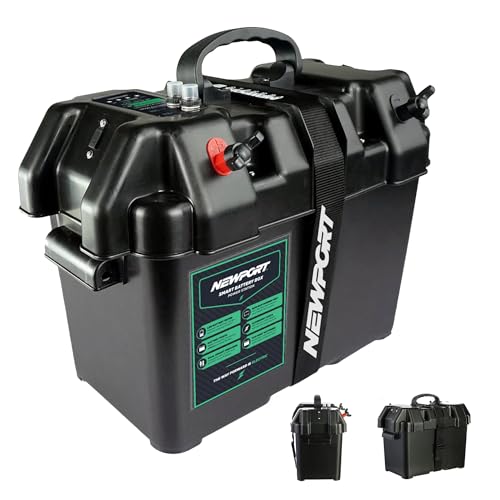
- Brand: Newport Vessels
- Features: Clean external connections, built-in USB and 12V DC ports, external terminals for trolling motor and electronics
- Best for: Kayaks needing an organized, all-in-one power hub without exposed wiring
- Limitation: Not a standalone heavy-duty battery; pairing with a dedicated 12V battery is often needed
Why chosen: Ideal for kayaks where a streamlined, portable power center is preferred. It reduces wiring clutter and provides convenient access to charging and electronics power. Choose this if you want a single hub to manage motor power and onboard devices; avoid if you only need a small-capacity battery without extra ports.
Litime 12V 100Ah LiFePO4 Battery

- Brand: Litime
- Features: Bluetooth monitoring, low-temp protection, 20+ safety protections
- Best for: Kayakers needing long runtime and smart monitoring across trips
- Limitation: Heavier than smaller packs; note the need for a compatible charger and mounting space
Why chosen: For longer outings where anglers or explorers rely on multiple devices, the large 100Ah capacity paired with Bluetooth checks helps manage power proactively. Choose this if you prioritize remote monitoring and extended days on the water; avoid if you require ultra-lightweight gear or limited space.
Newport 12V50Ah Deep Cycle AGM Battery

- Brand: Newport Vessels
- Type: Sealed AGM lead-acid substitute, trolling motor compatible
Best for: Kayaks seeking a balance of reliability and weight in a sealed format. This is a traditional alternative you may consider if LiFePO4 space or cost considerations apply; better to upgrade to LiFePO4 for longer life and lighter weight when possible. Caution: AGM chemistry is heavier and may offer fewer cycles than LiFePO4, depending on use.
Lampword 12V 15Ah LiFePO4 Battery

- Brand: Lampword
- Features: High energy density, long cycle life, fast charging, lightweight
- Best for: Kayaks needing a compact, lightweight boost for electronics or small trolling motors
- Limitation: Smaller capacity means shorter runtime; best as a supplementary pack or for very light setups
Why chosen: This compact option is useful when space or weight is at a premium, such as ultralight kayak rigs or backup power. Choose this if you want easy portability and a safe 12V LiFePO4 solution; avoid if you need multi-day power with larger motors.
BUKNUWO 12.8V 100Ah LiFePO4 Battery

- Brand: BUKNUWO
- Features: 100A BMS, 100Ah capacity, multiple series/parallel expansion up to 4S4P
- Best for: Kayaks needing scalable power for long trips or multi-device setups
- Limitation: Higher installation complexity if expanding, ensure compatible charging and wiring
Why chosen: The expandable design and high cycle life offer a future-proof option for kayakers who anticipate adding more electronics or seeking a scalable power system. Choose this if you want an adaptable setup; avoid if you require a simple, single-pack solution without expansion considerations.
Buying Guide: Lithium Battery For Kayaks
- What capacity do I need? Consider your trolling motor draw, device load, and trip length. Larger capacities like 100Ah extend runtime but add weight, while 15–20Ah packs save weight for short trips.
- What chemistry should I choose? LiFePO4 offers longer life, lighter weight, and safer chemistry than traditional lead-acid. It also tolerates deeper discharges better when managed by a BMS.
- Is weight a priority? For kayaks, weight savings matter. LiFePO4 often provides significant weight reductions compared with lead-acid, improving paddle power and handling.
- How important is monitoring? Models with Bluetooth or app integration help track charge state and health, reducing surprise power losses on the water.
- Do I need a charging setup? Some solutions include integrated BMS and ports; others require separate chargers and battery boxes. Plan your charging workflow to avoid on-water downtime.
- What about cold weather? Look for low-temperature protection and cut-off features to prevent charging in unsafe temperatures and to manage discharge safely outdoors.
FAQ
- Q: Are LiFePO4 batteries safe for kayaking? A: Yes. LiFePO4 is known for stability, safety, and long life, with built-in protections in many models.
- Q: Will a bigger battery always mean better performance? A: Not necessarily. Consider weight, mounting space, and motor draw; balance capacity with practical limits for your kayak.
- Q: Do I need a battery box or external charger? A: A battery box helps organize connections and water resistance; external chargers are often required for LiFePO4 packs.
- Q: Can I mix different batteries on the same kayak? A: It is not recommended to mix batteries with different chemistries or capacities in a single system due to charging and balancing issues.
- Q: How do I protect my battery from the elements? A: Use IP-rated enclosures, avoid submersion, and mount in a dry, elevated location away from direct splash zones.
- Q: What maintenance is required? A: Periodic voltage checks (especially after long storage), keeping terminals clean, and using a proper charger compatible with LiFePO4 cells.