When selecting marine aluminum fuel tank fittings, choose components that resist corrosion, fit common hose sizes, and suit your boat’s fuel system. This guide highlights five compatible options across universal pickup tubes, brass and aluminum fittings, and easy-install bung kits. Ideal buyers include boat owners upgrading aging fittings, DIY anglers, and anyone replacing a worn-out connection on in-board or out-board fuellines. Below is a quick comparison to help you pick the right fit for your setup.
| Product | Best For | Key Benefit |
|---|---|---|
| DEF 7-0948 Fuel Withdrawal Tube | Universal, lightweight fuel lines | Polyethylene construction, compatible with modern fuels |
| Attwood 88FAS014-6 Fuel Tank Fitting | Reliable OEM replacement | Anti-siphon valve, durable aluminum |
| Earlyred 12″ Fuel Tank Pickup Tube | Extended reach and universal fit | Corrosion-resistant HDPE, versatile threading |
| Attwood Brass Quick-Connect 1/4″ NPT | Jet-ready connections | Machined brass, quick-connect compatibility |
| DEWHEL Universal 6AN Bung Kit | Welding-free bung installation | Aluminum bung with O-ring, easy drill-and-seat |
DEF 7-0948 Fuel Withdrawal Depth Standard Tube

Material and compatibility: Made of polyethylene, stable at room temperature and resistant to decomposition, suitable for modern gas types including E10 and E85. Connects with a 3/8″ NPT external thread and a 1/4″ NPT internal thread on a 90-degree aluminum joint. This makes it a versatile choice for universal fuel lines on many boats. Best for: boat owners needing a straightforward, corrosion-resistant withdrawal tube that works with today’s fuels.
Why chosen: The DEF 7-0948 design prioritizes compatibility with contemporary fuels and simple integration into standard fuel tanks, offering a balanced, low-maintenance option.
Caution: Ensure the 90-degree aluminum joint seals correctly to prevent leaks in high-vibration environments.
Attwood 88FAS014-6 Fuel Tank Fitting
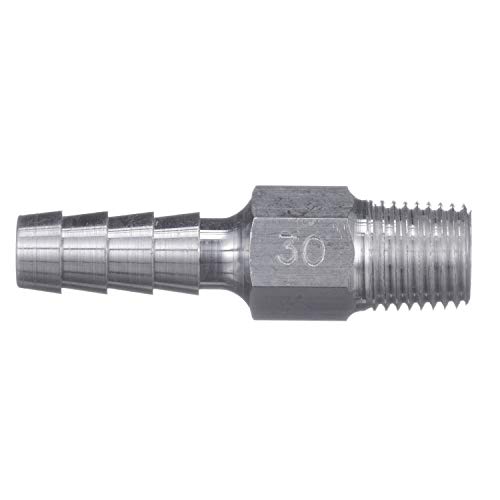
Key features: Male thread with anti-siphon valve and a ¼-inch NPT to 3/8-inch barb configuration, aluminum construction. Best for: replacement for original equipment where a secure, anti-siphon connection is needed in an aluminum marine system. Why chosen: It offers a dependable fuel line connection that helps prevent fuel backflow and leakage in a compact form factor.
Limitations: The product is a replacement part; verify compatibility with your specific tank threading and hose ID before purchase.
Earlyred 12″ Marine Fuel Tank Pickup Tube

Specification and compatibility: A 12″ pickup tube designed to replace part 7-0948, made from high-density polyethylene with corrosion resistance suitable for E10 and E85 fuels. It features a 3/8″ NPT external thread and a 1/4″ NPT internal thread, offering versatile connection options to match various fuel systems. Best for: boaters needing a longer pickup line with robust corrosion resistance and flexible threading. Why chosen: HDPE construction provides stable performance in marine environments without rapid degradation.
Limitation: The 12″ length may require trimming or additional fittings to fit shorter tanks; confirm tank depth and pickup position before installing.
Attwood Brass Quick-Connect Tank Fitting 1/4 Inch

Material and compatibility: Solid machined brass with 1/4-inch NPT male thread, designed for quick-connect with compatible tanks. Best for: marine setups requiring durable brass fittings that resist corrosion and provide reliable connections with Johnson, Evinrude, or OMC engines. Why chosen: Brass construction offers robust longevity in saltwater environments and a secure, fast-installation process.
Limitation: Brass fittings can be heavier and may require careful torque during installation to avoid thread damage.
Attwood 8889LP6 Acetal Barb Fuel Hose Fitting

Purpose and compatibility: Acetal 3/8-inch barb fuel hose female tank fitting, designed to mate with 3/8″ I.D. hoses and Johnson/Evinrude/OMC systems. Best for: users seeking a barbed connection that is easy to install with clamps (sold separately). Why chosen: This option emphasizes compatibility with a common hose size and specialized engine brands, simplifying retrofits.
Limitation: Hose clamps are not included, which means an extra purchase step for a complete install.
Attwood 14531-6 Marine Fuel Tank and Hose Fittings

Material and versatility: Die-cast zinc body designed for durability, compatible with leaded, unleaded, ethanol-blended, and alcohol-blended fuels. Uses standard 1/4-inch NPT thread with barbed fittings for 3/8-inch I.D. hose. Best for: diverse fuel types and standard installations where a robust, multi-fuel-capable fitting is desired. Why chosen: Zinc die-cast provides sturdy mechanical strength and broad compatibility with common fuel hoses and tanks.
Limitation: Zinc alloy may be heavier and susceptible to certain corrosion environments if not properly maintained; ensure proper seals and corrosion protection.
Buying Guide
What should I consider before buying marine fuel tank fittings?
Material compatibility, threading sizes, and hose ID compatibility are critical. Aluminum and brass fittings offer corrosion resistance, while poly and acetal components provide cost-effective options. Verify NPT thread sizes (external and internal) and ensure the connection supports your fuel type (gasoline, ethanol blends).
How do I choose the right length and connection type?
Measure tank depth, pickup length, and hose routing. Shorter pickups reduce suction risk in shallow tanks, while longer pickups avoid air pockets in deeper tanks. For quick installations, look for quick-connect or simple NPT-to-barb configurations that match your hose ID.
Are anti-siphon features important?
Anti-siphon valves prevent unintended fuel flow if the line is damaged or inverted. They are especially useful in boat installations where movement and wave action could trigger siphoning. If your system already has a built-in anti-siphon mechanism, you can prioritize other features like material and fit.
What about installation and maintenance?
Look for parts with clear threading and compatibility notes. For metal fittings, ensure proper torque and use appropriate sealants or gaskets to prevent leaks. Regular inspections for corrosion, cracks, and fuel residue help extend the life of the installation.
What is a safe choice for a replacement part?
Choose OEM-replacement parts or highly compatible universal options from reputable brands that specify marine usage and fuel compatibility. A well-fitting, corrosion-resistant material with correct thread dimensions minimizes the risk of leaks and fuel exposure.
How to compare the options quickly?
Use the summary table to compare best-for scenarios, material, and compatibility. Prioritize anti-siphon features, hose compatibility, and the ability to replace aging components with minimal modifications.
FAQ
- Which material lasts longest in saltwater? Aluminum and brass fittings resist corrosion well, especially when properly sealed and maintained.
- Do these fittings fit all fuel types? Many are compatible with standard gasoline and ethanol blends like E10 and E85, but always verify fuel compatibility for your system.
- Is welding required for any of these? Some bung kits allow installation without welding, but others may require mechanical connections or adapters.
- Can I mix fittings from different brands? Yes, as long as thread sizes and hose IDs match and the system remains leak-free.
- What maintenance is recommended? Regularly inspect for corrosion, cracks, and fluid leaks; replace worn seals and gaskets as needed.
- Should I use anti-siphon valves? Anti-siphon features help prevent backflow in dynamic marine environments; use where backflow risk is present.