Answering the need for compact, reliable power on small boats, these options span portable inverters, wind and solar enhancements, and shore-power adapters. They suit weekend sailors, anglers, and light-duty overnight cruisers who want clean, stable power without full-scale marina hookups. The top picks below balance portability, noise, fuel efficiency, and ease of use for cabin boats, inflatables, and small pontoons. Summary table follows to compare key details at a glance.
| Product | Best For | Power Type | |
|---|---|---|---|
| Sailing trips, camping, emergency backup | Gas Inverter | 8 hours at 50% load on 1 gal tank (fuel-dependent) | |
| Small boat essentials, RVs, tight spaces | Gas Inverter | Low noise; clean sine wave for electronics | |
| Hybrid systems, remote berths, wind-friendly boats | Wind Turbine Generator | Wind-dependent; best with storage | |
| Fuel system protection and longevity | Fuel Additive | Prevents corrosion; keeps injectors clean | |
| Shore power compatibility for boats using RV plugs | Shore Power Adapter | 125V/30A to 110V/15-20A conversion |
GENMAX GM2000i Portable Inverter
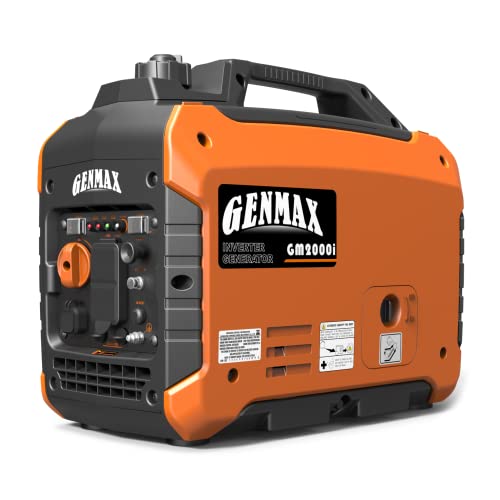
The GENMAX GM2000i uses a 79.7cc OHV engine to provide 2000 starting watts and 1600 running watts with clean power (less than 3% THD). It is designed for sensitive electronics like TVs, lights, fans, and small tools on boats or during camping. Best for small boats needing portable, quiet, reliable power for essential devices.
Best for boaters who want a lightweight, easy-to-carry generator with Eco Mode for improved fuel efficiency and low noise. It weighs about 34 pounds and features a sturdy handle for long carries. A caution: runtime depends on load and fuel capacity, so plan for refill intervals if running multiple devices.
POXURIO 2450-Watt Portable Inverter

The POXURIO generator delivers 2450 watts of starting power with clean inverter output, ensuring safe operation for appliances and electronics on a boat. It emphasizes quiet operation (about 59 decibels) and fuel efficiency, making it a strong choice for boaters who need reliable power without excessive noise. Best for small vessels requiring dependable electricity with minimal disturbance.
Best for boaters who value quiet performance and stable sine-wave power. A limitation: gasoline-fueled units require regular fuel management and maintenance, and actual runtime varies with load.
Shore-Power 30 Amp to 20 Amp Adapter (ADCAUDX)

This adapter converts a 30-amp, 125-volt shore power connection to standard 15- or 20-amp household outlets. It is designed for boats and RVs that require access to household receptacles when dock power is available. Best for boats with L5-30P plugs needing a convenient 15/20A outlet for onboard devices.
Tip: Only use with 125V systems; it does not support 250V connections. Consider weatherproofing and proper strain relief to maintain safety on deck.
Pikasola Wind Turbine Generator Kit, 400W

The Pikasola wind turbine kit offers a 400W wind-driven generator with a 5-blade rotor designed for marine or RV use. It is suitable for boats seeking renewable power to supplement battery charging, especially when docked or at anchor in windy conditions. Best for hybrid solar-wind systems where wind is available, and storage is planned.
Best for boats with space for a wind turbine and a storage strategy. A limitation: wind-dependent output means it’s not a sole power source in calm conditions, and installation requires secure mounting on a vibration- and salt-resistant surface.
Magicalmai Inductive Hour Meter

The Magicalmai inductive hour meter tracks engine and generator usage up to 9,999.9 hours with automatic rollover and a waterproof ABS housing. It helps schedule maintenance for marine, ATV, boat, or other gas-powered equipment. Best for boaters who want a simple way to monitor runtime and plan oil changes or service intervals.
Caution: It is an auxiliary diagnostic tool, not a power source. Ensure correct installation to avoid false readings in harsh marine environments.
POWOXI Solar Battery Trickle Charger
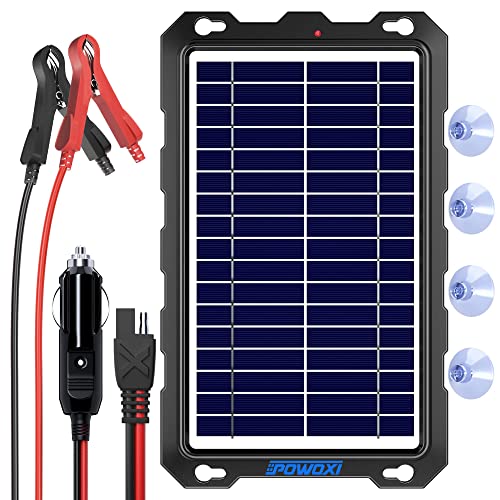
The POWOXI solar charging kit offers a 7.5W panel with a smart controller and protection features. It is designed to maintain 12V batteries on boats, RVs, and other marine setups. Best for maintaining charge during long periods away from shore power or when solar is available as a supplementary source.
Limitation: Lower wattage means slower charging on cloudy days; pairing with a larger bank or additional panels improves effectiveness.
STA-BIL 360 Marine Fuel System Treatment
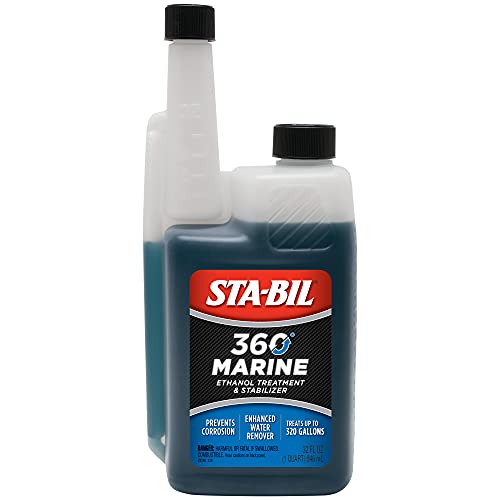
STA-BIL 360 Marine Fuel System Treatment cleans fuel injectors, lines, and pumps while preventing water buildup and corrosion. It supports engine performance and longevity for boats and other watercraft. Best for pre-season fuel stabilization and ongoing protection against ethanol-related damage.
Note: This is a fuel system additive, not a power source. Use as directed with appropriate fuel types and storage practices to maximize benefits.
Buying Guide: Practical Choices for Marine Power
- Power needs on board: Count essential devices (lights, GPS, communication gear, bilge pumps) and select a generator or system that delivers clean power with headroom for startup surges.
- Power type: Inverter generators provide clean power suitable for electronics and are ideal for boats. Traditional generators offer more sustained power but can be louder and heavier.
- Noise and footprint: For close-quarter boating, prioritize models with low decibel ratings and compact housings. Consider storage and handling on deck or in cabin lockers.
- Fuel strategy: Gasoline is common and convenient but requires fuel management. Diesel options exist but are bulkier. Eco modes and efficient engines extend runtime at sea or on the dock.
- Shore power compatibility: When dockside, adapters enable using marina power safely. Check voltage, amperage, and receptacle types before connecting.
- Maintenance planning: Use hour meters or service trackers for preventive maintenance. Regular fuel stabilizers and corrosion protection help longevity in saltwater environments.
- Renewable backups: Wind and solar kits can supplement battery charging, reducing generator run time. They work best when integrated with a robust storage system.
- Safety considerations: Follow marine electrical safety practices, ensure proper ventilation for gasoline units, and store fuel away from heat sources or ignition points.
Frequently Asked Questions
- What size generator do I need for a small boat? Choose a portable inverter with enough running watts for your essential devices, plus a safety margin for startup surges. Typical small boats benefit from 1,000–2,000 running watts.
- Is an inverter generator better for boats? Yes. Inverter technology delivers cleaner power suitable for electronics and provides quieter operation and better fuel efficiency.
- Can I run a shore power adapter on a boat with no dock? No. Shore power adapters are only for connecting to an external power source; they do not generate power themselves.
- Do wind and solar options replace a generator? They supplement power and can extend battery life, especially when paired with storage. They do not reliably replace a generator in calm conditions.
- What maintenance tips help marine gear last longer? Use fuel stabilizers, keep electrical connections clean, inspect cables for wear, and monitor battery health regularly. Follow manufacturer guidelines for oil changes and service intervals.
- Are there risks using generators near water? Yes. Ensure proper ventilation to prevent carbon monoxide buildup and maintain safe distances from the hull or fuel storage areas.