Buying the right mooring lines for a pontoon boat means choosing lines that handle heavy loads, resist the elements, and protect boat finishes. This guide highlights five top options that balance strength, flexibility, and ease of use for pontoon owners. The best picks cover varied needs—from classic nylon double-braided lines to handy bungee dock lines. Whether you need quick-connect lines for temporary docking or long-term mooring with strong shock absorption, there’s a fit here for most boats and environments.
| Product | Key Benefit | Best For |
|---|---|---|
| dbRopes Pontoon Mooring Lines | High-quality nylon, stainless thimbles, abrasion resistance | General pontoon mooring with long-lasting durability |
| PropelTech 4 Pack Dock Lines | Double braided nylon, pre-spliced, 12″ eyelets | Set of four for versatile docking, good for saltwater and freshwater |
| 4 Feet Bungee Dock Line Mooring Rope (2-Pack) | Built-in shock absorption, quick-docking with stainless clips | Shock-sensitive docking and lighter boats |
| PACTHSD Dock Lines 1/2″ x 15′ (4 Pack) | Lower stretch, high-strength nylon, all-weather durability | Reliable mooring in varied conditions |
| Airhead Bungee Dock Line, 6 Feet | Bungee snubber inside rope, floats protect boat | Easy, quick docking with built-in shock absorption |
dbRopes Pontoon Mooring Lines

Brand: dbRopes. Features: High quality 100% nylon with stainless steel thimbles on each end; abrasion and shock-load resistance; durable and manageable. Best for: pontoon owners who want sturdy lines that resist wear and keep finishes intact. Limitation: may require occasional inspection for wear at thimbles after heavy use.
PropelTech 4 Pack 3/8″ Dock Lines

Brand: PropelTech. Features: 3/8″ diameter, 15′ length, black color, four lines per package; marine-grade double braided nylon with enough stretch to absorb shocks; UV, oil, salt, and corrosion resistant. Best for: boats under about 21 feet or when you need a balanced blend of strength and flexibility. Limitation: maximum recommended boat length is stated; ensure compatibility with your pontoon size.
4 Feet Bungee Dock Line Mooring Rope 2-Pack
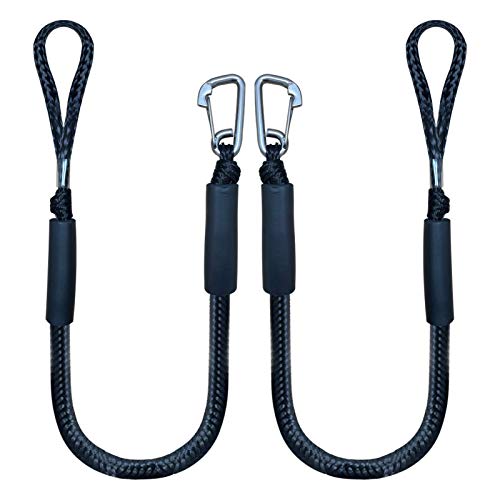
Brand: Iririi. Features: Built-in hidden rubber band and outer PE layer; stainless steel snap; two foam floats to prevent scratches and buoyancy loss. Best for: quick docking and protecting the hull, especially on smaller pontoons or boats with frequent docking. Limitation: 4-foot length may be short for larger docking scenarios; check your mooring needs before pairing with longer lines.
PACTHSD Dock Lines 1/2″ x 15′ (4 Pack)

Brand: PACTHSD. Features: 1/2″ diameter, 15′ length, black, four lines; low-stretch, high-strength nylon double-braided construction; all-weather durability. Best for: boats and pontoons requiring robust mooring with minimal stretch to maintain position. Limitation: higher diameter may be bulkier to handle for smaller vessels or dock cleats with limited space.
Jranter Bungee Dock Line 4 Pack

Brand: Jranter. Features: Four-pack with bungee design, loop and slider ends for easy attachment; built-in snubber effect through hidden cord. Best for: minimizing jerks and making quick tie-ups easier, ideal for weekend pontoons and recreational boats. Limitation: may include shorter total length per line; plan multiple lines for longer docks or larger berths.
Botepon Bungee Dock Lines
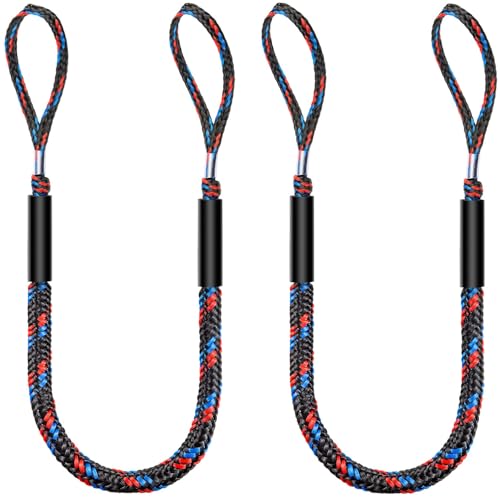
Brand: Botepon. Features: Quick-connect no knots design, shock-absorbing mooring lines; suitable as gifts for men who boat. Best for: temporary docking and quick tie-ups at ramps, marinas, or parties. Limitation: for regular heavy-use mooring, consider a backup line with higher load rating or additional lines for redundancy.
PropelTech 4 Pack 1/2″ x 15′ Dock Lines

Brand: PropelTech. Features: 1/2″ diameter, 15′ length; four lines per package; marine-grade double braided nylon with enough stretch to minimize shock and misalignment; UV, oil, and salt resistant. Best for: larger pontoons up to about 30 feet where robust mooring is needed. Limitation: higher breaking force requires proper cleat and hardware to avoid overloading lighter boats.
Buying Guide: Key Considerations For Pontoon Mooring Lines
- Length And Diameter: Choose length to reach cleats comfortably with spare line coiled. Larger pontoons often benefit from 1/2″ diameter; smaller boats can use 3/8″ lines without excess weight.
- Material And Construction: Double-braided nylon offers good shock absorption and durability. Nylon handles saltwater, UV exposure, and abrasion well; consider bungee lines for dynamic docking in wakey conditions.
- Shock Absorption: Lines with built-in snubbers or bungee cores reduce hull stress during current, waves, or wind shifts. This is especially helpful for pontoon decks and railing finishes.
- End Fittings And Eyes: Pre-spliced lines with 12″ eyes save knot-tying time and ensure consistent attachment. Stainless steel hardware resists corrosion in marine environments.
- Intended Use: For quick docking at restaurants, ramps, or floating docks, consider bungee or quick-connect lines. For steady mooring at marinas, higher-strength, low-stretch lines provide reliability in variable winds.
- Weather And Environment: UV resistance, salt resistance, and oil resistance extend line life in coastal or hot-sun areas. Store lines out of direct sun when not in use to maximize longevity.
FAQ
- What’s the best mooring line for a pontoon boat?
– A balanced choice is a 1/2″ diameter, 15′ length double-braided nylon line, with optional pre-spliced eyes for faster docking and strong shock absorption for steady mooring. - Should I use bungee lines for pontoons?
– Yes, bungee lines reduce jerking and hull stress and are helpful for frequent docking or windy days. - How many lines should I have?
– At least two per docking point is common, plus spares for redundancy and different docking scenarios. - Do lines need to be saltwater resistant?
– Yes. Saltwater exposure demands lines that resist corrosion, UV damage, and oil exposure to maximize longevity. - Can I mix line types?
– Yes, pairing traditional nylon mooring lines with bungee lines provides both security and shock absorption where needed. - What safety checks should I perform?
– Inspect thimbles, end fittings, and knots for wear; replace lines showing significant abrasion or loss of elasticity.