Spot-Lock, GPS navigation, and rugged saltwater builds are common themes among the most capable trolling motors. This guide highlights five top options that emphasize power, precision, and durability for demanding anglers. The best choices are suited for serious enthusiasts who need reliable position keeping, aggressive vegetation performance, and long-lasting marine construction. Use the quick comparison table below to identify which model fits your boat size, water conditions, and preferred control style.
| Product | Thrust | Shaft | Water Type |
|---|---|---|---|
| Minn Kota Terrova Bow-Mount with GPS (55 Lb) | 55 Lb | 54 In. | Freshwater |
| Minn Kota Endura C2 Transom-Mount (30 Lb) | 30 Lb | 30 In. | Freshwater |
| Minn Kota PowerDrive Bow-Mount with GPS (55 Lb) | 55 Lb | 54 In. | Freshwater |
| Minn Kota Endura Max Transom-Mount (55 Lb) | 55 Lb | 42 In. | Freshwater |
| Minn Kota Terrova Bow-Mount with GPS + Dual Chirp (80 Lb) | 80 Lb | 60 In. | Freshwater |
Terrova Bow-Mount With GPS and Spot-Lock

Best for: Anglers who want precise position holding and hands-free control in freshwater. The Terrova combines GPS-based Spot-Lock with a robust navigation suite, including Jog and drift modes. The wireless remote adds convenient, on-the-water control. Its fall-away deployment design simplifies set-up and stowage, supporting steady trolling in varying conditions.
Why selected: It delivers proven GPS performance and a full remote interface, making it ideal for competitive or long days on the water where position accuracy matters. The 55 Lb thrust provides strong lift for quiet, efficient trolling in moderate cover.
Limitation: Heavier models can require more boat handling space during deployment and stow.
Endura C2 Transom-Mount (30 Lb)
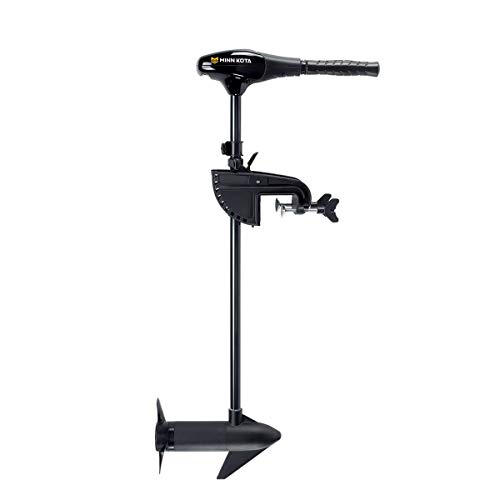
Best for: Budget-conscious anglers seeking reliable transom mounting for freshwater fleets. This model emphasizes easy-to-use control, including a 6-inch telescoping tiller and a Power Prop designed for weedy conditions. It’s a solid choice for casual trips or smaller boats.
Why selected: The combination of a telescoping tiller, testable battery meter, and durable composite construction makes it a versatile, long-lasting option for frequent use in calm to moderately rough water.
Limitation: Lower thrust means slower planing and movement in heavy current or windy conditions; better suited for smaller craft.
PowerDrive Bow-Mount With GPS

Best for: Anglers who want GPS-based spots and navigational aids coupled with straightforward deployment. The Deploy-Assist lever enables quick water entry, and the Power Prop helps maintain performance when passing through light vegetation.
Why selected: It balances GPS control with durable design, providing reliable performance in open-water scenarios and moderate vegetation without overspending on premium features.
Limitation: Might lack some advanced sonar integration found on higher-end Terrova models, which is a consideration for sonar-integrated boat setups.
Endura Max Transom-Mount (55 Lb)
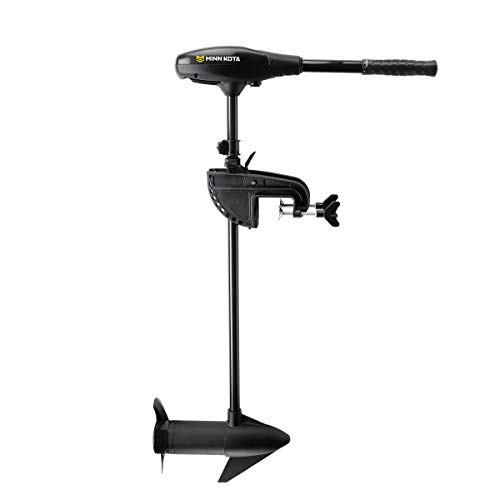
Best for: Anglers who want robust vegetation handling with a strong, reliable transom-mount system. The 55 Lb thrust and 42-inch shaft support stable trolling in a range of freshwater conditions.
Why selected: The 10-position lever lock and reinforced composite construction offer sturdy control and long-term durability for regular trips in varied water conditions.
Limitation: Shorter shaft can limit depth control in higher ride heights or larger boats, so verify compatibility with your transom height.
Terrova With Dual Spectrum Chirp Sonar

Best for: Anglers who want integrated sonar data alongside GPS Spot-Lock for enhanced fishing insight. The Dual Spectrum Chirp Sonar provides improved clarity of fish and structure while maintaining precise positioning.
Why selected: Combines advanced sonar with position control in a single package, making it well-suited for navigation-heavy trolling in freshwater. The 80 Lb thrust supports deeper trolling and faster water conditions.
Limitation: Higher power draw and potential complexity may require more thoughtful setup and maintenance.
NV-Series Saltwater Transom Motor

Best for: Saltwater boaters seeking robust thrust and a durable, weather-resistant design. The NV-Series layout emphasizes visibility via LED battery indicators and a long 30-inch shaft for deeper water trolling.
Why selected: The 55 Lb equivalent thrust in saltwater contexts with a broad adjustment range makes it a strong match for medium-to-large boats that operate in coastal or brackish waters.
Limitation: This model’s saltwater design adds weight and complexity; ensure proper maintenance to prevent corrosion over time.
Riptide Terrova Bow-Mount with GPS

Best for: Saltwater anglers needing solid position control and corrosion protection. The Riptide Terrova focuses on enduring performance in challenging marine environments while maintaining precise guidance via Spot-Lock and Jog features.
Why selected: Marine corrosion protection and reliable GPS control make this a strong pick for frequent saltwater trolling, especially where precise station-keeping is critical.
Limitation: Saltwater builds require routine maintenance to sustain finish and electronics over time.
Edge Bow-Mount With Foot Pedal
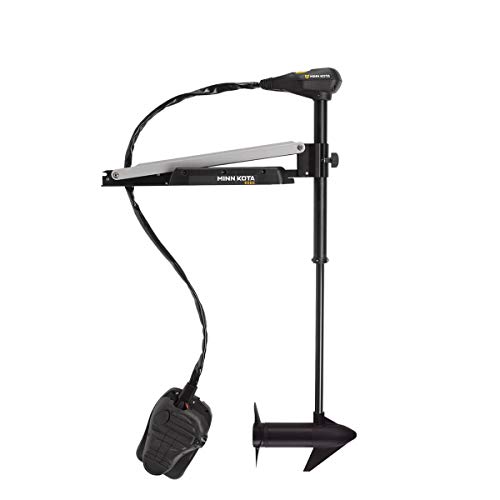
Best for: Anglers who prefer a tactile, foot-controlled experience with solid control during long days on the water. The heel-toe foot pedal offers responsive speed and direction control for careful boat handling.
Why selected: The built-in directional indicator and secure stow design support predictable navigation in various trolling scenarios, making it a good fit for traditionalists who value simplicity and reliability.
Limitation: Fewer GPS-based features; not ideal for those who rely heavily on automated positioning for hands-free trolling.
Buying Guide: Key Purchase Considerations
- Water type and boat size: Freshwater systems are common, but saltwater builds require corrosion resistance and protective finishes. Match thrust and shaft length to boat weight and transom height.
- Control style: Do you prefer GPS Spot-Lock with automatic position hold, or a simpler manual tiller control? Remote control can enhance convenience on longer trips.
- Propeller design: Vegetation handling matters. Power Prop and weedless wedges reduce prop clogging in weedy areas; consider blades for open water vs. heavy cover.
- Deployment and stowage: Look for easy deploy/stow mechanisms such as Deploy-Assist levers or fall-away ramps to simplify handling in rough water.
- Durability and maintenance: Composite shafts and corrosion protection extend life in challenging environments. Regular inspection helps prevent performance loss.
- Sonar integration: If you rely on sonar data, models with built-in or concealed transducers offer enhanced fish-structure visualization while keeping your trolling motor integrated.
Frequently Asked Questions
- What is Spot-Lock and who benefits most?
Spot-Lock is GPS-based position holding. It’s most beneficial for anglers who troll in still water, need to lock position against currents, or want hands-free boat control during casts.
- Is higher thrust always better?
Higher thrust provides quicker planing and stronger performance in wind or current. However, it increases weight and power usage, so match thrust to boat size and typical conditions.
- Do I need a saltwater-rated trolling motor?
Yes, if you fish in saltwater or near brackish conditions. Saltwater models include corrosion protection and coatings to prevent rust and wear.
- What shaft length should I choose?
Longer shafts reach deeper water or higher transoms. Choose a shaft length based on boat hull height and mounting location to ensure the propeller stays submerged.
- Are sonar-enabled trolling motors worth it?
For anglers who rely on sonar data while moving, integrated sonar on the trolling motor simplifies setup and keeps gear in a single unit for streamlined navigation.