Finding a stable sea kayak is essential for a safe and comfortable adventure on the water. Stability allows for easier balance, less fatigue, and more confidence, especially in open waters. Below is a summary table highlighting five top-rated sea kayaks known for their stability, quality, and user-friendly features.
| Kayak | Type | Length | Weight Capacity | Notable Feature |
|---|---|---|---|---|
| Perception Kayaks Rambler 13.5 | Tandem Sit-on-Top | 13′ 6″ | 550 lbs | Two-person design with solo paddling option |
| Sea Eagle 380x Inflatable Kayak | Inflatable Tandem | 13′ 4″ | 750 lbs | Durable 1,000-denier puncture resistant fabric |
| Perception Flash 9.5 Sit Inside Kayak | Sit Inside, Recreational | 9′ 6″ | 325 lbs | Lightweight with fishing features |
| Reel Yaks Radar Modular Fishing Kayak | Modular Sit-on-Top | 10′ | 400 lbs | Fin pedal drive system for hands-free propulsion |
| Perception Kayaks Conduit 13 Sit Inside | Sit Inside Recreational | 13′ | Varies | Adjustable seatback and spacious cockpit |
Perception Kayaks Rambler 13.5 Sit-on-Top Tandem Kayak
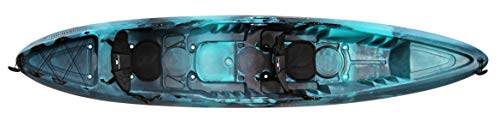
The Perception Rambler 13.5 is a wide and roomy tandem sit-on-top kayak designed to provide excellent stability and maneuverability. At 13 feet 6 inches long and 34 inches wide, it can comfortably hold two paddlers with a combined weight limit of 550 lbs. Its versatility is a key feature; the kayak can be converted for solo paddling with the addition of deck loops.
Made from rotational-molded plastic, it offers durability for multiple skill levels. Its six scuppers efficiently drain water, and despite its size, the kayak remains controllable on the water. Though paddles are not included, the kayak suits recreational use on lakes, slow rivers, and coastal calm seas.
Sea Eagle 380x Inflatable Kayak with Pro Package

The Sea Eagle 380x is designed for those seeking a portable and highly stable inflatable kayak. With a weight capacity of 750 pounds, it comfortably seats two to three adults plus gear. Its construction from 1,000-denier polyester-supported, high-pressure fabric makes it resistant to punctures and abrasions.
The kayak features four large convertible drains suitable for both wet and dry conditions, enhancing stability and safety. Ideal for calm to moderate ocean conditions and rivers, the 380x is known for its toughness and ease of use while maintaining stability comparable to many rigid kayaks.
Perception Flash 9.5 Sit Inside Kayak for Fishing and Fun
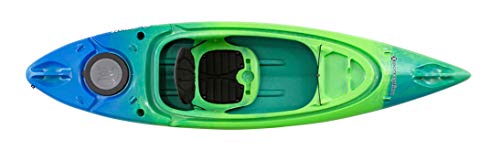
For paddlers seeking stable and agile performance, the Perception Flash 9.5 offers a lightweight 9 foot 6 inch sit-inside kayak option. Constructed with USA craftsmanship, it supports up to 325 lbs and includes features for fishing, such as two built-in rod holders.
It balances ease of transport with solid stability on water, making it suitable for lakes, rivers, and light coastal paddling. The rear storage compartment adds convenience for extended trips, and the narrower design gives nimble handling without sacrificing balance.
Reel Yaks Radar Modular Fishing Kayak for Adults & Youth

The Reel Yaks Radar introduces a unique modular kayak design that offers both portability and remarkable stability. Weighing under 35 pounds total, it disassembles into four sections with built-in handles, allowing easy transportation and storage.
This sit-on-top kayak includes a smooth fin pedal drive system that propels the kayak quietly and hands-free through shallow waters. Its stable design is suitable for beginners and youth, providing reliable balance while fishing or touring smaller bodies of water without compromise on sturdiness.
Perception Kayaks Conduit 13 Sit Inside Recreational Kayak
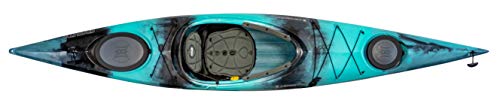
The Perception Conduit 13 is a sit-inside kayak tailored for larger paddlers who prioritize stability and comfort. The spacious cockpit accommodates different body sizes, and the adjustable seatback moves in four directions to customize support during long paddles.
At 13 feet long, this kayak is versatile for recreational use on lakes and mild coastal waters. Its design focuses on maintaining a stable yet responsive ride, making it suitable for paddlers who want both speed and comfort without sacrificing steadiness.
Buying Guide for Stable Sea Kayaks
Choosing the most stable sea kayak depends on several key factors to ensure it meets your needs for safety, comfort, and performance.
Type of Kayak
- Sit-On-Top Kayaks: Generally offer greater stability due to wider hulls and self-draining scuppers, ideal for beginners and warm climates.
- Sit-Inside Kayaks: Provide better protection from the elements and increased speed but may feel less stable initially, favored for longer trips and rougher conditions.
- Inflatable Kayaks: Highly portable with good stability, though sometimes less responsive than rigid models, suitable for casual paddlers.
- Modular Kayaks: Offer transport convenience and competitive stability with innovative designs like fin drive propulsion systems.
Kayak Dimensions
- Length: Longer kayaks track straighter but are harder to turn; shorter kayaks turn easily but can be less stable at speed.
- Width: Wider kayaks increase stability but may reduce speed and agility; ideal widths for stability range from 28 to 34 inches or more for tandem models.
Weight Capacity and Paddler Size
Select a kayak with a weight capacity exceeding your body weight plus gear for optimal stability and safety. Larger paddlers should seek prolonged cockpit sizes and adjustable seating for comfort without compromising balance.
Material and Build Quality
High-quality polyethylene or durable inflatable materials resist damage and contribute to a stable hull design. Drop-stitch floors and reinforced fabrics further improve rigidity and steadiness.
Additional Stability Features
- Scuppers and Drainage Systems: Help keep water out for stable buoyancy.
- Multi-chamber Designs (Inflatables): Enhance safety and structural integrity.
- Adjustable Seats and Footrests: Allow customization for better paddling posture, influencing overall stability.
Intended Use
Consider your paddling environment—calm lakes, coastal waters, or whitewater. Stability needs vary accordingly; some kayaks handle choppy water better through hull design, while others excel in flat water.