When choosing an inline fuel filter for an outboard, prioritize visibility, durability, and compatibility with standard fuel lines. This guide highlights five top options, each suited to different boat types and maintenance preferences. Ideal buyers include casual anglers, weekend sailors, and performance-focused operators who want reliable fuel filtration without fuss. The following table briefly compares each pick to help you decide at a glance.
| Product | Best For | Key Benefit |
|---|---|---|
| Attwood 12562-6 Universal 40-Micron | Rugged, easy visual inspection | Clear body for quick maintenance checks |
| Quicksilver 879885Q Inline | Mercury/Mariner owners | 20 micron filtration with translucent body |
| Quicksilver 816296Q2 Inline with Barbs | 5/16″ fuel lines, mid-range filtration | Prevents performance-robbing particles |
| T-H Marine Universal Fuel Filter | All engine types, easy monitoring | Transparent glass housing for quick inspection |
| Quicksilver 802893Q01 Water Separating | Mercury/Mariner ecosystems with water separation | 25 micron filtration with OEM-style specs |
Below are five detailed product sections to help you pick the right inline fuel filter for your outboard engine. Each section notes who it’s best for, why it stands out, and a practical consideration to keep in mind during installation and maintenance.
Attwood 12562-6 Universal 40-Micron

Features include a clear body for visual inspection and a durable, high-strength build designed for tough conditions. It is disposable for convenient replacement, which can appeal to boaters who prefer low-maintenance setups. Best for anglers or saltwater users who want quick checks for sediment and water content without tools. A potential limitation is the need to replace the entire unit rather than replace a cartridge, depending on maintenance habits.
Quicksilver 879885Q Inline Fuel Filter

This filter uses a 20-micron element suitable for removing damaging fuel-borne contaminants. It fits under the outboard engine cowl and features a translucent body to monitor fuel content and debris. It’s best for Mercury and Mariner outboards where OEM-style compatibility matters. Choose this if you want easy viewing of fuel quality and simple replacement with existing hose clamps. A caution: ensure hose fitment matches your engine’s line diameter to avoid leaks.
Quicksilver 816296Q2 Inline Filter with Barbs

Designed for 5/16″ (8mm) fuel lines, this model filters out performance-robbing particles before they reach the engine. It’s well-suited for mid- to high-performance small to mid-range outboards. Best for boaters who want a compact inline unit with barbs for straightforward hose connections. A note: check compatibility with your current hose clamps and fuel line diameter before purchasing.
T-H Marine Universal Boat Fuel Filter

This filter is designed to remove water, dirt, and impurities from fuel with fittings for 1/4″, 5/16″, or 3/8″ lines, making it highly versatile for inboard, outboard, and inboard/outboard setups. The transparent housing allows rapid monitoring of condition and flow. Best for boaters who want a universal solution without swapping filters for different engine configurations. Caution: ensure the glass housing is protected from impact in rough-water conditions to avoid breakage.
K&N 81-0300 Replacement Fuel Filter
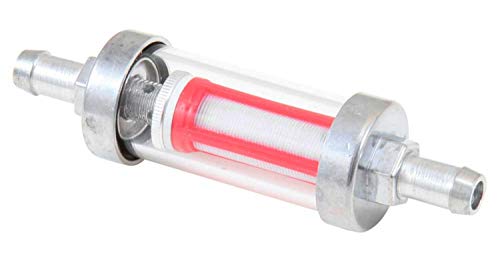
Notable for its replaceable inner filter element design and easy installation, this filter is suitable for non-fuel-injected applications. It is a straightforward option when you want to swap only the inner element rather than the whole unit. Best for DIY installers who value simple maintenance. A limitation: verify compatibility with your engine’s fuel system before use, as this model targets non-FI setups.
Buying Guide
What should you consider when selecting an inline fuel filter for an outboard?
- Fuel line size and compatibility: Ensure the filter’s barb or connection size matches your 1/4″, 5/16″, or 3/8″ fuel lines for a proper seal.
- Filtration rating: Higher micron ratings filter finer debris but may require more frequent replacement; lower microns offer more protection but can restrict flow if clogged.
- Visibility and maintenance: Translucent or clear housings help monitor contents, reducing the risk of unexpected fuel issues on the water.
- Material durability: Durable housings resist impact and harsh conditions; glass housings offer visibility but can break under impact.
- OEM compatibility: Some models are designed to match Mercury, Mariner, or generic marine systems. Choose OEM-aligned options to simplify installation.
- Replacement availability and ease: Consider whether you’ll replace whole units or inner elements and how readily replacements are available.
Frequently Asked Questions
- What is a typical micron rating for outboard inline fuel filters?
Common ratings range from 20 to 40 microns for inline filters, balancing protection with fuel flow. - Can I use a universal inline fuel filter on any outboard?
Universal filters fit many setups but confirm line size, mounting clearance, and compatibility with your engine brand. - Is it better to monitor fuel with a transparent housing?
Yes, a clear housing helps you spot water or sediment early, aiding preventive maintenance. - How often should inline fuel filters be replaced?
Replacement frequency depends on fuel quality and usage; inspect visually and replace when debris or water is evident. - Are water-separating filters worth the extra cost?
They help remove water from gasoline and can prevent corrosion and poor performance in humid conditions. - What should I do if the filter is hard to remove?
Use appropriate hose clamps and follow the filter’s installation instructions; ensure engine off and fuel valves closed before servicing.