Answering the need for durable, corrosion-resistant battery cables, this guide highlights five top options suited for outboard motors, boats, RVs, and marine applications. Whether you’re upgrading your boat’s electrical setup or replacing worn cables, these picks balance conductivity, ease of installation, and environmental resistance. The best choice depends on your connector size, cable gauge, and length requirements. In this guide, you’ll learn who each product is best for, along with clear comparisons to help you decide which cables to buy for your marine or outdoor power system.
Summary of chosen products
| Product | Best For | Key Strength |
|---|---|---|
| 6 AWG Battery Cables 6 Gauge (TUELETFU) | Marines and all-around heavy-duty setups | Two 5/16″ tinned copper lugs; corrosion resistance |
| Marine Battery Cable 2M (Aramox) | Outboard engines requiring 2m length | Pure copper; flame-retardant insulation |
| GEARit 8 Gauge Kit | Comprehensive kit with lugs and heat shrink | All-in-one ground kit; color-coded |
| Leapiture 2m Outboard Cables | Replacement for Parsun-style engines | Red/black identification; durable flex |
| A ABIGAIL 2 AWG & 4 AWG Options | Broad marine and automotive use | Pure copper with tinned lugs; heat shrink insulation |
6 AWG Battery Cables 6 Gauge (TUELETFU)

Best for rugged marine and vehicle setups requiring sturdy conductors. Each cable includes two 5/16 inch tinned copper ring terminals, with a 5/16 inch hole for compatibility with common battery disconnects and switches. Tinned copper helps resist corrosion in salty environments. This kit provides two equal-length leads, suitable for positive and negative connections in a compact layout.
Who it’s for: boat owners needing reliable, corrosion-resistant connections across standard marine electrical runs. Why selected: strong tinned copper lugs, compatible terminations, and marine-grade suitability. Caution: ensure the ring terminals fit your battery posts and disconnects before installation.
Marine Battery Cable 2M (Aramox)
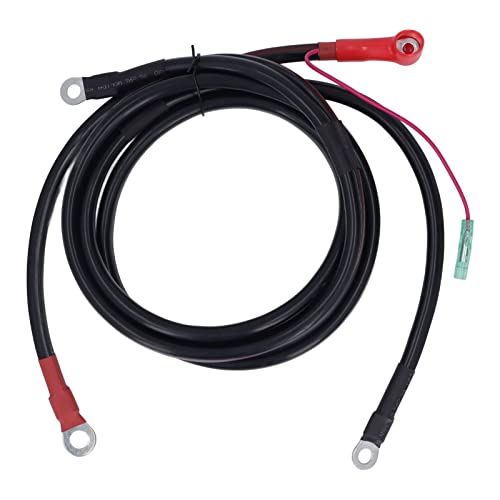
Ideal for outboard engine battery connections where a longer run is needed. Made from pure copper with rubber and PVC insulation for high conductivity and marine resistance. The 2-meter length supports common outboard layouts and reduces excess slack. Safety features include flame-retardant insulation designed to withstand challenging conditions.
Who it’s for: boaters with longer engine-to-battery runs or日 installs needing flexible, durable cable. Why selected: pure copper core for conductivity, and marine-grade insulation. Caution: verify compatibility with your engine’s terminal sizes and ensure proper routing to avoid chafing.
GEARit 8 Gauge Amp Wiring Kit

This all-in-one kit provides an 8-gauge ground wiring setup with red and black jackets, 25 ft per bundle, plus 15 lugs and 20 pieces of heat shrink. It’s a solid choice for comprehensive electrical projects where you need clearly identified polarity and a complete hardware kit. The soft-touch jacket improves handling and safety during installation.
Who it’s for: DIYers tackling marine or automotive wiring projects that require organized grounding and a ready-to-use kit. Why selected: includes lugs and heat shrink for a tidy finish. Caution: 8 AWG may not suit high-current, long-run marine applications beyond typical needs.
Leapiture Outboard Motor Cables 2m
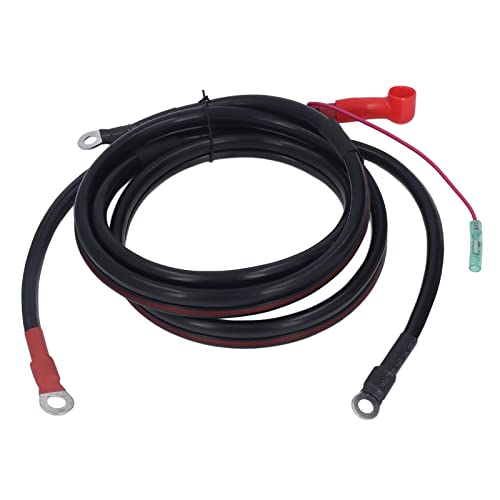
Designed as a replacement for Parsun outboard engines, this 2-meter battery cable emphasizes excellent conductivity and easy identification with red and black marks to prevent wrong connections. The 2 m length suits medium-length layouts common on many outboards, and the flexible construction resists aging and breaking with regular use.
Who it’s for: owners of Parsun-style outboards or similar engines needing a replacement with clear polarity cues. Why selected: aimed at a common engine family, with durable construction. Caution: compatibility checks are essential to ensure the end terminals fit your battery and Switches.
A ABIGAIL 2 AWG And 5FT 4 AWG Options (2 AWG, 4 AWG)

Two options from A ABIGAIL cover common marine and automotive needs. The 2 AWG version offers robust conductors with 3/8-inch lugs and heat-shrink insulation for moisture resistance. The 4 AWG kit maintains high conductivity with heat-shrink ends and corrosion-resistant lugs. Both emphasize tinned copper lugs for longer life in marine environments.
Who it’s for: boaters and RV users seeking a durable, corrosion-resistant cable set with reliable insulation. Why selected: versatile gauges and lengths suit varied layouts. Caution: verify lug size compatibility with existing battery posts and disconnects.
4 AWG Battery Cable 4FT (TUELETFU)

A second TUELETFU option emphasizes 4-gauge strength with 3/8″ lugs, designed for automotive, marine, and solar setups. The 4-foot length makes it suitable for shorter runs or tight engine compartments. Each cable end is sealed with heat-shrink tubing for heat insulation and moisture protection.
Who it’s for: users needing a compact, sturdy cable for shorter runs around engines or in tight compartments. Why selected: reliable 4 AWG performance with sealed ends. Caution: ensure the 3/8″ lug size matches your battery posts and equipment terminals.
Buying Guide
What to consider when choosing outboard motor battery cables
How thick should the wires be?
Higher gauge numbers (smaller cables) carry less current. For outboards and marine power circuits, 6 AWG to 4 AWG are common for main leads. Choose thicker cables if you have longer runs or higher current draws to minimize voltage drop.
What about connectors and lugs?
Look for pre-installed lugs with corrosion-resistant materials, ideally tinned copper for marine use. Confirm lug size (for example, 5/16 inch or 3/8 inch) matches your battery terminals and switches.
Length and routing considerations
Measure the distance between the battery and the engine or device. Leave a little extra slack to accommodate vibration and routing around belts, hoses, or other equipment. Avoid routing near hot surfaces or sharp edges that can abrade insulation.
Insulation and environmental safety
Marine and outdoor cables should feature flame-retardant insulation and moisture resistance. Heat shrink ends help seal connections against water, salt spray, and humidity.
Material quality
Pure copper cores offer better conductivity than copper-clad aluminum (CCA). When possible, select pure copper with quality insulation and protective jackets designed for saltwater exposure.
Ease of installation
Pre-terminated cables with ring terminals simplify installation. If you must crimp your own ends, ensure proper tooling and crimping technique to achieve secure, leak-free connections.
Compatibility and safety
Cross-check terminal sizes, polarity color-coding (red for positive, black for negative), and compatibility with your outboard’s electrical system, battery disconnects, and fuses. Avoid mismatched lugs that can loosen under vibration.
FAQ
- Q: Do I need marine-rated cables for inland use? A: If the environment includes humidity or occasional splash, marine-rated cables with corrosion-resistant lugs and insulation are advisable, even inland.
- Q: Can I use these cables for solar power systems? A: Yes, many are suitable for solar, RV, and inverter setups due to flexible insulation and robust lugs, but confirm lug sizes and length for your system.
- Q: How do I know if 2m or 4ft length is right? A: Measure the distance from battery to the device, add extra slack for routing, then choose the cable length that fits without tension.
- Q: Are there safety concerns with using copper cables in saltwater? A: Use tinned copper lugs and proper insulation to minimize corrosion and ensure durable connections in marine environments.
- Q: Should I replace all cables at once? A: Replacing cables in the most critical power paths first (battery to engine) is common. Consider replacing aging cables in bulk if you’re upgrading the system.
- Q: Do these cables require professional installation? A: Basic installations are feasible for many DIY enthusiasts, but professional help is recommended for complex systems or if you’re unsure about connections and safety.