Answering the need for reliable, compact heat on water, these portable heaters are chosen for boaters seeking safe, efficient warmth in tight spaces. The top picks suit different buyers: skippers seeking high BTU output, sailors needing outdoor-friendly options, and anglers requiring safe auto-shutoff features. Below, five products are evaluated for indoor/outdoor use, heat coverage, safety features, and ease of use. A quick buying guide and FAQ follow to help you compare at a glance.
| Product | Best For | Key Benefit |
|---|---|---|
| Mr. Heater 9,000 BTU Portable Buddy | Small boats, enclosed cabins | High heat in a compact package |
| Mr. Heater MH9BX | Outdoor use, general boat spaces | Auto shut-off for safety |
| Xtreme Heaters Boat, Cabin & RV (Black) | Versatile small spaces | Quiet operation and tip-over protection |
| THERELMAX Boat Engine Compartment Heater | Bilges and engine compartments | Waterproof, 500W, thermostat control |
| Heat Hog 4,000 BTU Portable | Very compact spaces or as backup heat | Angled head directs heat precisely |
The products below are selected for portability, ease of use, and safety in marine environments. Each entry explains who should consider it, why it’s suitable for boat use, and any notable limitations.
Mr. Heater 9,000 BTU Portable Buddy Radiant Propane Heater
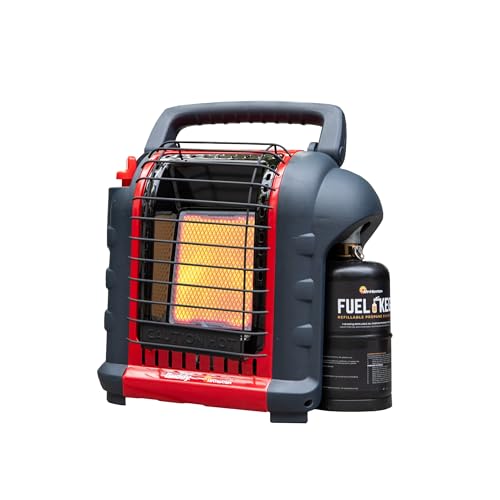
Best for: boaters needing strong, reliable heat in compact spaces. This unit emits 4,000 or 9,000 BTU/hr of radiant heat and is designed for indoor and outdoor use. It can heat areas up to approximately 225 square feet, making it suitable for small cabins or deck areas during cool mornings or evenings. The heater’s dual BTU settings support energy efficiency and temperature control.
Why selected: It offers straightforward operation and solid heat output in a compact form. Its versatility makes it a go-to option for varied marine layouts.
Caution: Indoor use requires proper ventilation to avoid buildup of combustibles; ensure you follow safe operating guidelines on a moving vessel. Overheating risk increases in very tight spaces.
Mr. Heater MH9BX-Massachusetts/Canada

Best for: outdoor-oriented boat sections and spaces where clean-burning heat is valued. This model offers 4,000- to 9,000-BTU radiant heating for spaces up to 225 square feet. It is approved for outdoor use and emphasizes high efficiency, with auto shut-off features if tipped, the pilot light goes out, or oxygen levels are low. Note the altitude caveat for high-elevation use above 7,000 feet.
Why selected: The heightened safety systems and outdoor-approval make it a solid choice for deck areas or open cabins where ventilation is adequate and wind exposure is a factor.
Caution: At very high elevations, operation may be interrupted due to automatic shut-off. Keep away from flammable materials and monitor venting on enclosed boats.
Xtreme Heaters Boat, Cabin & RV Heater (Black)

Best for: boaters seeking quiet operation and a stable, safe design. This portable heater is designed to keep small spaces like boats, cabins, or RV bays warm. It uses a top-drawing intake to allow placement near walls or on carpets, while the standby mode helps avoid clutter or cluttering airflow. A tip-over switch provides an automatic shut-off for added safety.
Why selected: It emphasizes safety features such as tip-over protection and quiet operation, which are important in mobile, space-constrained environments.
Caution: Because it relies on adequate ventilation and space, avoid tight, poorly ventilated interiors without monitoring air quality during operation.
THERELMAX Boat Engine Compartment Heater
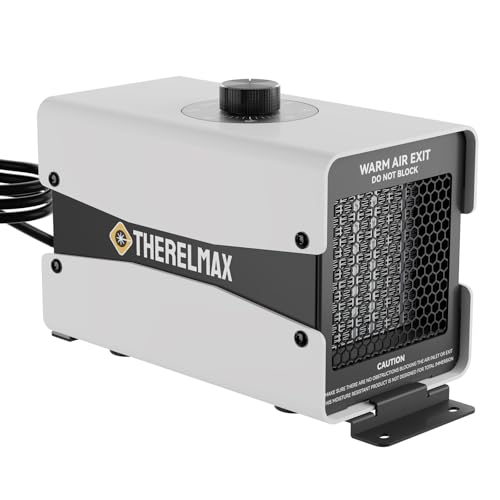
Best for: engine compartments, bilges, and spaces requiring targeted warmth to prevent freezing. This 500W heater uses a safe PTC ceramic element and a waterproof fan, with a built-in adjustable thermostat for precise control. The unit aims to extend boating seasons by maintaining warmer bilges and preventing engine damage from freezing.
Why selected: It provides focused heating in areas that matter most for boat reliability and reduces winterization costs over time.
Caution: Not designed to heat entire cabins; use as a supplemental heat source in conjunction with larger space heaters or ventilation strategies.
Heat Hog 4,000 BTU Portable Propane Radiant Heater

Best for: tight spaces, garages, or as a portable heat boost on boats where power is limited. This unit provides 4,000 BTU of radiant heat, runs on a 1 lb LP cylinder, and requires no electricity. The angled head design helps direct heat precisely where needed and expands heating coverage with a wider 33-degree area.
Why selected: It’s highly portable and gas-powered, avoiding dependence on shore power or batteries. Suitable for quick warmth during outdoor activities or cold mornings aboard.
Caution: For enclosed interiors, ensure proper ventilation and monitor fuel canister use to avoid oxygen depletion in very small spaces.
Mr. Heater Buddy 4,000-9,000 BTU Indoor-Safe
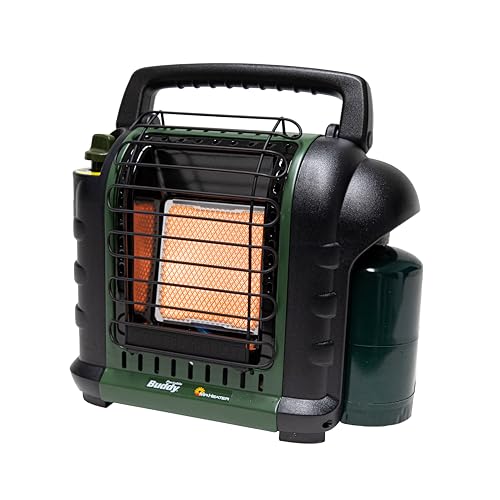
Best for: flexible indoor/outdoor use with a safe indoor rating. This portable radiant heater emits 4,000 or 9,000 BTU/hr and heats up to about 225 square feet. It is designed with indoor safety in mind, making it a common choice for small cabins and boat interiors that require reliable warmth.
Why selected: The binary BTU option allows adapting heat to space size and energy availability while prioritizing indoor safety features.
Caution: Always ventilate when using indoors; maintain clearance from flammable materials and ensure proper fuel storage when used on board.
Buying Guide
What size heater do I need for a boat?
Measure the space (cabin, deck, or bilge) and refer to the heater’s square-foot guidance. If the space is larger than 225 square feet or has high ceilings, you may need multiple units or a supplemental heating system.
Which safety features matter on a boat?
Key features include auto shut-off if tipped or oxygen is low, a stable base to prevent tipping, and a design suitable for outdoor use in marine environments. Look for models with flame safeguards and clear ventilation guidance.
Propane vs electric for marine use
Propane options are common for portable use and don’t rely on boat electrical systems, but they require proper storage and ventilation. Electric heaters avoid fuel handling but depend on battery banks or shore power—evaluate available power on your vessel.
Ventilation and placement considerations
Place heaters away from direct drafts, keep clear of curtains and stacked gear, and avoid placing near water or fuel sources. For enclosed cabins, ensure proper air exchange to maintain safe oxygen levels.
Maintenance and inspections
Regularly inspect hoses, connections, and seals for propane units. Clean dust from vents, and check thermostat and safety switches. Replace worn components promptly to minimize risk during operation.
FAQ
- Can I use a portable heater overnight on a boat? Use only if the heater is rated for continuous operation and you have proper ventilation and a safe fuel source. Always follow manufacturer guidelines and deck safety rules.
- Is it safe to run propane heaters indoors on a boat? Yes, if the unit is designed for indoor use, properly ventilated, and operated within its rated space. Watch for oxygen levels and ensure adequate airflow.
- Do marine heaters require maintenance? Yes, perform periodic inspections of fuel lines, venting, and thermostats to maintain safe operation and efficiency.
- Which heater is best for a heated bilge? A compact, water-resistant unit with a thermostat and safety switch, like the THERELMAX model, is well-suited for bilges and engine compartments.
- What should I do if a heater tips over? Use units with automatic shut-off on tip-over and keep a clear area around the heater to minimize tipping risk on moving water.