Yes, propane heaters can be a practical solution for boats when used with proper ventilation and safety measures. This guide highlights top options that are compact, portable, and designed for outdoor or marine use. The best picks below cater to different boat sizes, camping or docking scenarios, and budget ranges. Each product is evaluated for portability, heat output, and safety features to help you choose confidently.
Summary Of Selected Products
| Product | BTU | Best For | |
|---|---|---|---|
| Mr. Heater 9,000 BTU Portable Buddy | 4,000–9,000 | Small boats, tents, decks | Indoor/outdoor approved |
| Heat Hog 9,000 BTU Portable Heater | 9,000 | Open decks, cabins, boats | Tiltable, no electricity |
| VEVOR Portable 9000 BTU | 0–9,000 | Moderate spaces, boats, garages | Stepless control, protection features |
| Newport P9000 Propane Fireplace Heater | Up to 9,000 | Marine-grade aesthetics, cabins | Direct-vent, stainless design |
| Mr. Heater Buddy 4,000–9,000 BTU | 4,000–9,000 | Compact boats, emergency heat | Indoor/outdoor use |
Mr. Heater 9,000 BTU Portable Buddy Radiant Heater
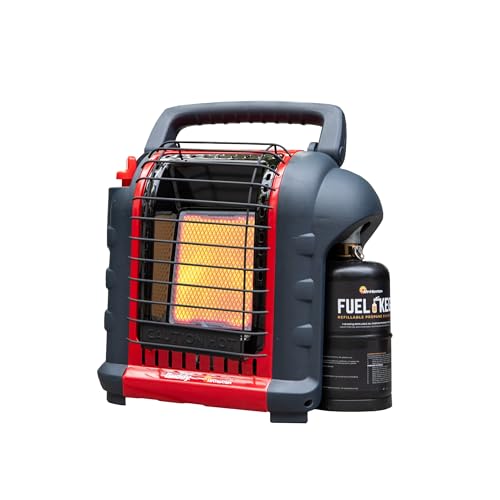
This compact radiant heater offers 4,000 or 9,000 BTU/hr output and is designed for indoor and outdoor use. It heats up to about 225 square feet, making it suitable for small to mid-sized boats and sheltered decks. Best for boaters who need flexible heat output and easy portability. Caution: use only where ventilation is adequate; avoid enclosed spaces without proper airflow.
Mr. Heater Original 54,000 BTU Tank Top Radiant Heater

This high-capacity heater mounts directly to a 20 lb propane tank, providing 45,000–30,000 BTU ranges, with a multi-directional radiant design. It’s best for larger boats or shaded areas where strong, steady heat is needed. Be mindful of its larger footprint and the need for a suitable mounting solution on a boat deck or cabin space.
Heat Hog 9,000 BTU Portable Propane Radiant Heater

This versatile 9,000 BTU heater is designed for indoor and outdoor use, including boats. It can operate with a 1 lb cylinder or a 20 lb tank with an optional hose, and has a tiltable design to direct heat where needed. Ideal for boats that need flexible heat distribution without requiring electricity. Limitation: using a larger tank may require secure mounting aboard a vessel.
Mr. Heater MH9BX Portable Propane Heater

Approved for outdoor use with a radiant 4,000–9,000 BTU range, this model covers spaces up to 225 square feet. It features auto shut-off for tip-overs and low-oxygen conditions. Best for boats requiring outdoor-safe operation and a reliable heat source in variable weather. Caution: may shut off at high altitudes above 7,000 feet in some conditions.
VEVOR Portable Propane Heater, 9000 BTU

This 9000 BTU heater is designed for boats, garages, and outdoor spaces. It offers stepless temperature control, tip-over and oxygen protection, and a durable steel body. Best for boaters who want precise heat adjustments and safety features in small to moderate spaces. Limitation: heavier than ultra-portable options, requiring secure placement on a boat.
Newport P9000 Propane Fireplace Heater

Marine-grade design with a large ceramic viewing window and direct-vent operation. Made of 304 stainless steel, it provides efficient heating with a visually appealing flame effect and minimal oxygen depletion. Best for boats seeking a fireplace-like ambiance with practical warmth. Caution: installation and clearance requirements must be met on watercraft to ensure safe venting.
Mr. Heater Buddy 4,000–9,000 BTU Indoor-Safe Heater
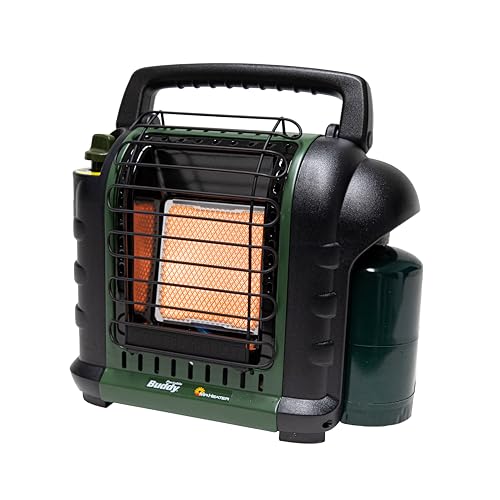
Similar to the Buddy line, this model delivers 4,000–9,000 BTU with indoor/outdoor suitability and heats approximately 225 square feet. Best for small boats and mobile setups where a compact solution is desired. Limitation: ensure adequate ventilation to maintain safe oxygen levels while operating indoors.
Buying Guide: Choosing The Right Propane Heater For Your Boat
- Heat Output: For compact cabins, 4,000–6,000 BTU is often sufficient. For larger cabins or decks, 9,000 BTU models cover more area.
- Ventilation And Safety: Always use heaters with oxygen depletion sensors, tip-over shut-offs, and adequate ventilation. Never run a propane heater in an enclosed, poorly ventilated space.
- Fuel Source And Portability: Decide between 1 lb cylinders, 20 lb tanks, or tank-top mounting. Consider how you’ll refuel and where the heater will live on board.
- Mounting And Stability: Boats require secure placement to avoid movement. Look for models with stable bases or brackets and consider tilting heads for directional heat.
- Durability And Marine Use: Stainless steel or corrosion-resistant housings are preferable for marine environments and exposure to salt air.
- Maintenance And Repairs: Favor models with straightforward maintenance and widely available parts. Check air flow paths and fuel connections for leaks.
- Environmental Considerations: Some models are designed to operate at higher altitudes or in windy conditions; verify suitability for your sailing routes.
FAQ
- Q: Are propane heaters safe for boats? A: They can be safe when used with proper ventilation, CO detectors, and adherence to manufacturer guidelines. Always follow maritime venting and space requirements.
- Q: Which heater provides the best balance of portability and heat on a small boat? A: 4,000–9,000 BTU Buddy models typically offer good portability with ample heat for compact cabins.
- Q: Can I use a 20 lb tank on a small boat? A: Yes, many models support 20 lb tanks with appropriate mounting or hoses, but ensure secure storage and compliance with boat safety regulations.
- Q: Do these heaters require electricity? A: Some models operate without electricity (powered by propane), while others may need minimal power for safety features. Check each product’s specs.
- Q: What should I consider for installation on a boat? A: Venting, secure mounting, space for heat dispersion, and compliance with marine safety standards are essential.
- Q: Is it okay to run a propane heater in an enclosed cabin? A: Only if the space is well-ventilated and you have a CO detector and proper exhaust clearance. If in doubt, vent to the exterior or use outdoor-rated units.