Answering the need for compact, reliable heat on vessels, this guide highlights top propane heaters suited for boats. Each option is evaluated for space, ventilation, and safety. Best fits: compact day-skippers and weekend cruisers seeking quick warmth without electricity.
Summary table of selected products:
| Product | Brand | BTU | Best For | Notes |
|---|---|---|---|---|
| Mr. Heater 9,000 BTU Portable Buddy | Mr. Heater | 4,000–9,000 | Small cabins, outdoor decks | Indoor/outdoor use, compact |
| Newport P9000 Propane Fireplace Heater | Dickinson Marine | 9,000 | Stability and aesthetics for enclosed spaces | Direct-vent, stainless steel |
| Heat Hog 9,000 BTU Portable Propane Heater | Heat Hog | 9,000 | Versatile, portable warmth | Tiltable head, wide heating area |
| Mr. Heater MH9BX | Mr Heater | 4,000–9,000 | Outdoor-focused boats | Altitude safety noted |
| VEVOR Portable Propane Heater 9,000 BTU | VEVOR | 9,000 | Larger spaces on boats | Low oxygen and tip-over protection |
Mr. Heater 9,000 BTU Portable Buddy Radiant Propane Heater
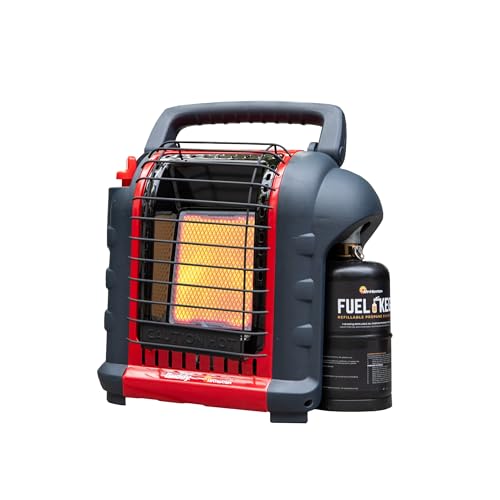
This radiant heater offers 4,000 or 9,000 BTU/hour output and is designed for both indoor and outdoor use, making it suitable for small cabin areas or a well-ventilated cockpit space. Best for boat owners who need a compact, versatile heat source with reliable performance in varied conditions. Caution: ensure adequate ventilation to avoid buildup in enclosed cabins.
Newport P9000 Propane Fireplace Heater

Includes everything ready to install with a stainless steel burner and a large ceramic glass viewing window. Safe, direct-vent operation and protection from wind make it a strong option for enclosed cabin spaces. Best for boat interiors where aesthetics and steady heat are priorities. Limitation: direct-vent setup may require professional installation.
Heat Hog 9,000 BTU Portable Propane Radiant Heater

This portable 9,000 BTU model is designed for versatility, including boating applications. It heats up to 225 square feet and can run on a 1 lb cylinder or 20 lb tank with an accessory hose. Best for boaters needing strong warmth on deck or in pilot houses. Caution: ensure stable placement on a non-slip surface to avoid tipping.
Mr. Heater MH9BX-Massachusetts/Canada Approved Portable Propane Heater

With 4,000–9,000 BTU radiant heat for spaces up to 225 square feet, this model is outdoor-use approved and nearly 100-percent efficient. It includes safety features like auto shut-off for tipping or low oxygen, but altitude adjustments may affect operation. Best for open deck areas or semi-enclosed cabins where robust warmth is needed. Avoid this if the space is tightly sealed without proper ventilation.
VEVOR Portable Propane Heater 9,000 BTU

Offers up to 9,000 BTU and heat coverage up to 225 sq ft with low oxygen and tip-over protection. It uses a 1 lb cylinder or larger propane tank with adapter. Best for boaters who need steady heat in larger cabin areas and want a durable, wind-resistant build. Limitation: requires attention to propane supply and tank compatibility for marine use.
Mr. Heater Buddy 4,000-9,000-BTU Indoor-Safe Portable Heater
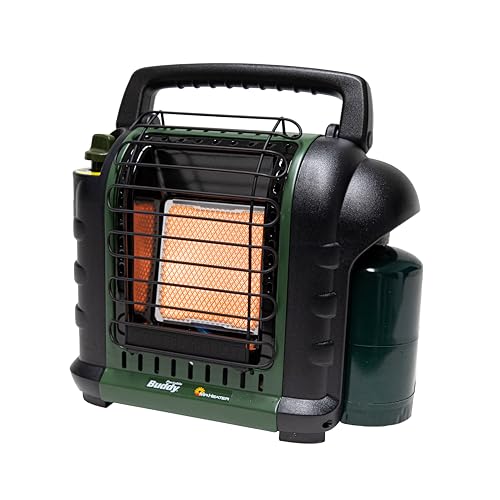
This indoor-safe model emits 4,000 or 9,000 BTU and is approved for both indoor and outdoor use, heating up to about 225 square feet. Best for smaller cabins or pilothouse spaces where indoor safety features are essential. Caution: ensure proper ventilation in enclosed areas to maintain safe oxygen levels.
Buying Guide
Key considerations to pick the right propane heater for a boat:
- Space and BTU needs — Match heater output to the cabin or deck area you plan to heat. Larger boats or open layouts may benefit from higher BTU models (around 9,000 BTU), while compact cabins may stay warm with 4,000 BTU units.
- Ventilation and safety — Choose models with oxygen depletion and tip-over protections. Ensure adequate ventilation in enclosed spaces and follow all manufacturer guidelines for marine use.
- Vent/ducting requirements — Some heaters use direct-vent designs or require specific venting clearance. Plan purchase and installation to avoid clearance issues near combustibles.
- Power source and fuel availability — Propane is convenient on boats, but ensure fuel storage complies with safety standards and is secure for motion. Consider compatibility with swap cylinders (1 lb vs 20 lb) and hose options.
- Placement and stability — Select a stable mounting or resting place that prevents tipping and keeps heat directed away from water sources, fabrics, and electronics.
- Portability vs. permanence — If you need heat in multiple zones or for seasonal use, a portable unit offers flexibility. For fixed cabins, a compact fixed-vent or fireplace-style heater may be preferred.
- Durability in marine environments — Look for units with corrosion-resistant components (e.g., stainless steel) and weather-resistant housings suitable for saltwater exposure.
Frequently Asked Questions
- Can I use propane heaters on a boat in all weather?
Use only in well-ventilated areas and follow manufacturer guidance. Direct exposure to rain or strong sea spray should be avoided to prevent ignition hazards or corrosion. - What safety features are essential for marine use?
Auto shut-off if tipped, low-oxygen detection, and sealed venting for enclosed cabins are important protections. - Do I need professional installation for these heaters?
Some models with direct-vent or exhaust routing may require professional installation, especially in permanently installed cabins. - What propane setup works best for boats?
1 lb cylinders offer portability, while larger 20 lb tanks provide longer operation. Ensure hose compatibility and secure mounting to handle boat movement. - Are there any clearance or mounting guidelines?
Keep heaters away from curtains, upholstery, and electronics. Maintain heat clearance as specified by the manufacturer and secure mounting to prevent movement in rough seas. - Is a heater suitable for both deck and cabin use?
Yes, but verify the unit’s ventilation, frame, and safety features. Deck use should consider wind and weather exposure, while cabin use emphasizes air quality and exhaust routing.