Finding the right gas engine for an RC boat depends on power, reliability, and ease of installation. This guide highlights five solid choices for American hobbyists, from entry-level 26–32cc kits to higher-output 58cc twins. Each option is suited to different boat sizes, speeds, and maintenance preferences, helping buyers pick confidently. The top picks below emphasize practical use cases: beginner-friendly installs, racing-ready performance, and upgrade paths for seasoned builders. Read on to compare engines, their best-fit buyers, and key considerations to guide your purchase.
Product Comparison At A Glance
| Product | Engine Size | Best For | Why It Stands Out | Limitations |
|---|---|---|---|---|
| FLMLF 29cc 2-Stroke RC Boat Marine Motor | 29cc | Entry-level racing boats | Compact, straightforward installation; suitable for smaller RC boats | Lower power compared to twin-cylinders |
| FLMLF 58cc Twin-Cylinder Engine | 58cc | Powerful, larger boats | Twin-cylinder design with upgraded CNC components for durability | Heavier and more complex installation |
| Rc Marine 26cc Engine | 26cc | Budget-friendly racers | Lightweight, cost-efficient; good for mid-sized boats | Manual fuel mixtures may require tuning |
| 32CC 2-Stroke Gasoline Engine (Futchoy) | 32cc | Compact powerhouses | Small footprint with high power output | May have higher vibration for some setups |
| FLMLF 29CC 9.5HP RC Motor Kit | 29cc | Kit-build enthusiasts | Includes engine kit with components to customize performance | Requires technical knowledge for assembly |
FLMLF 29cc 2-Stroke RC Boat Marine Motor

The 29cc engine is designed for remote-controlled racing boats and fits Zenoah RCMK QJ engines G290PUM configurations. Best for hobbyists seeking a compact, install-friendly option with straightforward replacement. Suitable for small-to-mid sized boats that prioritize agility and quick maintenance. Limitations include lower raw power relative to larger twins, making it less ideal for high-speed offshore hulls.
FLMLF 58cc Twin-Cylinder Engine

This 58cc twin-cylinder engine is built for power and durability, featuring upgraded CNC components across the water-cooled sleeve, frame, carburetor base, and intake port. It’s best for larger RC boats that demand sustained speed and robust cooling. Choose this if you’re upgrading from a smaller single-cylinder engine and want improved acceleration. A potential limitation is a heavier installation footprint and more complex maintenance due to dual cylinders.
Rc Marine 26cc Engine for Racing Boats

The 26cc engine is a practical choice for budget-minded racers, offering decent speed with lighter weight. It’s best for mid-sized racing boats where cost per horsepower matters. The fuel mixture guidance (initial run-up ratio considerations) helps with break-in, but owners should be prepared for tuning to optimize performance. Avoid this if you need peak power on very large hulls or require ultra-smooth operation in long-distance cruises.
32CC 2-Stroke Gasoline Engine (Futchoy)

Small in size, high in power, this engine is suitable for HPI, Rovan, KM Baja, Losi, MCD, FG, and GoPed RC parts. It’s a strong option when you need more thrust from a compact unit. Best for compact boats that still demand robust top-end speed. A noted limitation is potential vibration or fitment challenges in very tight compartments, so verify clearances before purchasing.
FLMLF 29CC 9.5HP RC Motor Kit

This racing-reed kit includes a 29cc 9.5HP engine with spacers, a hex wrench, screws, wear-reduction pads, and a one-way valve to improve reed durability. It’s ideal for builders who want adjustable ignition positions and customized horsepower settings. Not recommended for novices due to the need for technical adjustments and careful tuning for reliable operation.
HobbyPark RC Gas Fuel Tanks
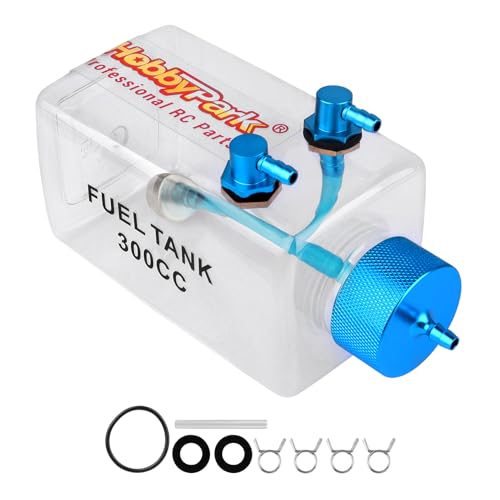
While not a motor, this fuel-tank option is compatible with RC gas engines, including boats. It features a plastic body with aluminum hose nipples and cap for durability. Best for buyers seeking a ready-to-use fueling solution without fabricating connectors. Limitations include compatibility considerations with certain engine models, so verify fit before pairing with an engine.
Buying Guide: Key Purchase Considerations
- Engine size and boat compatibility: Match engine displacement to hull size, weight, and target speed. Larger boats benefit from bigger engines, while smaller models gain from lighter units.
- Power needs and intended use: For racing, prioritize engines with higher rpm potential and cooling efficiency. For casual cruising, lighter engines with easy maintenance may suffice.
- Fuel type and tuning: Some engines use pre-mixed fuel; others may require tuning for optimal performance. Consider your comfort with fuel ratios and break-in procedures.
- Maintenance and parts availability: Look for engines with widely available parts and clear installation guidance. Upkeep affects long-term reliability.
- Installation footprint: Check if the engine’s dimensions fit your boat’s engine bay and mounting points. Weight distribution matters for handling.
- Durability features: Water cooling, stainless fasteners, and reinforced reeds can extend life in demanding marine conditions.
- Upgrade path: If you’re starting small, choose an engine that allows a straightforward upgrade to a larger twin or more powerful kit later.
Frequently Asked Questions
- What size RC boat engine should I start with if I’m new to gas-powered boats?
Answer: A smaller 26–29cc engine is typically beginner-friendly, offering manageable power and easier installation. - Are twin-cylinder engines worth it for beginners?
Answer: Twin-cylinder engines deliver more power and smoother operation, but they require more space and maintenance. - Do I need special fuel or fuel mixes for these engines?
Answer: Some engines use pre-mixed fuel and specific ratios during break-in; always follow the manufacturer’s guidelines for safety and performance. - Can I upgrade from a single to a twin engine later?
Answer: Yes, many setups support upgrades, but you’ll need to verify boat weight, mounting, and cooling capacity.
When choosing an RC boat gas engine, prioritize compatibility with your hull, ease of installation, and the specific performance needs of your build. The options above provide a spectrum of power, size, and ruggedness to fit various experience levels and boat classes. Always confirm mounting points and cooling capacity before purchasing to ensure a smooth, reliable install. For more detailed specs, consult the product pages linked in each section.