Answering the needs of sailors, this guide highlights the best wind indicators for masts and wind vanes. These products help you read wind direction accurately on board, useful for dinghies, racers, and cruising yachts alike. The selections below are chosen for reliability, visibility, and ease of installation. They are best for: small to mid-size sailboats, dinghies needing quick attachment, and vessels where clear wind cues improve handling and navigation.
The table below compares five top wind indicators chosen for sailboats and related craft. Use it to quickly gauge who each option suits best.
| Product | Best For | Key Benefit |
|---|---|---|
| Five Oceans FO2080 | Mid-sized sailboats | Sensitive ball bearing for accurate wind cues |
| Hawk Wind Indicator MK2 | Dinghies and small boats | Front-mast mounting with UV protection |
| Blueshark 15.7in 400-C | Sport boats and cruisers | Carbon fiber vane, corrosion resistant |
| Blueshark 18in 460-D | Medium-size boats | Longer vane for easy visibility |
| Schaefer Little Hawk MK1 | Dinghies up to 6 m | Compact, purpose-built for small craft |
Five Oceans FO2080—14.5″ Wind Direction Indicator
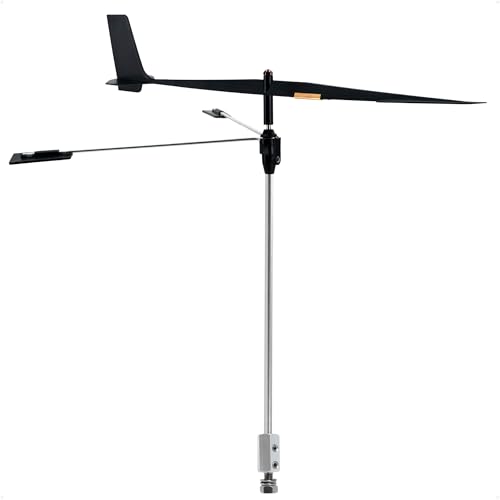
Overview: The FO2080 is a wind direction indicator designed for boats 15 feet and larger, with a 14-1/4″ vane and a 13″ tall stance. The through-bolt mounting socket, 5/16″ stainless stud, and included hardware support straightforward on most masts. This model offers visible operation day or night thanks to reflector tape on the vane and tacking tabs.
Who this is best for: Small- to mid-sized sailboats needing reliable wind cues without heavy gear. Best for skippers who value visible indicators in daylight and low-light conditions.
Why selected: It combines a lightweight design with a precise vane movement for consistent wind readings. The stainless hardware aids durability in coastal environments.
Limitations or cautions: It weighs roughly 109 g, so on very light-air days you may want a higher-sensitivity vane. Ensure your mast mounting socket matches the 5/16″ stud for compatibility.
Davis Instruments—WindTrak 15 Suspension Bearing

Overview: Davis WindTrak 15 is a suspension-bearing wind indicator designed for sailboats, emphasizing smooth wind cueing with a reliable bearing design. The product page notes its practical approach to wind direction reading in routine sailing scenarios.
Who this is best for: Sailors who want a simple, dependable indicator with a traditional mounting approach on mid-sized crafts.
Why selected: Davis brings a history of marine indicator reliability, and this model remains a staple for steady wind readings on moderate vessels.
Limitations or cautions: Specific technical dimensions aren’t listed in this summary; verify mounting requirements match your mast setup before purchasing.
Hawk Wind Indicator MK2

Overview: The Hawk Wind Indicator MK2 is a multicolored wind indicator suited for dinghies up to 6 meters. It’s fully UV-protected and is designed for at-gooseneck mounting at the mast’s front, providing a clear wind cue in varied conditions.
Who this is best for: Small boats and dinghies that require a bright, durable indicator at a reasonable height for quick wind readings.
Why selected: The MK2’s UV protection helps extend life in sunny marine environments, and the bright color improves visibility among rigging and sails.
Limitations or cautions: Intended for smaller boats; on larger vessels, consider a longer vane or higher mounting to maintain visibility.
Acouto Wind Vane Weathervane

Overview: This 304 stainless steel wind vane is designed for yachts, boats, and sailing craft, offering high-precision wind direction indication with marine-grade durability. It emphasizes versatility for all kinds of boats and speedboats.
Who this is best for: Vessel owners who want a robust, corrosion-resistant vane capable of withstanding marine humidity while delivering accurate wind cues.
Why selected: The 304 stainless steel construction supports longevity where exposure to saltwater and humidity is persistent, making it a durable choice for coastal sailing.
Limitations or cautions: This model is described as a general-purpose vane rather than a specialized dinghy or cruiser option; ensure its size matches your mast height and visibility needs.
Nautos WINDEX Dinghy C

Overview: The Nautos WINDEX Dinghy C is designed for dinghies between 10 and 20 feet, with quick attachment suitable for the mast. It emphasizes ease of installation and readability for smaller boats.
Who this is best for: Small dinghies or practice sailboats where a fast, simple install is a priority.
Why selected: Quick attachment and a compact profile make it a practical choice for tight rigging spaces on small craft.
Limitations or cautions: The brief description doesn’t specify visibility or wind-sensitivity details, so verify vane size aligns with your boat’s mast and line-of-sight.
Blueshark and Related Models
Blueshark 15.7in Wind Indicator 400-C

Overview: Blueshark’s 400-C features a carbon fiber vane with corrosion resistance and a 15.7-inch length suitable for mid-sized boats, offering enhanced visibility along the hull line.
Who this is best for: Boats under 9 meters seeking a longer vane with strong material for longevity.
Why selected: Carbon fiber vane provides a lightweight yet sturdy option for robust wind indication.
Limitations or cautions: Carbon fiber requires careful handling to avoid chipping or delamination; inspect vane ends periodically.
Blueshark 18in Wind Indicator 460-D

Overview: The 460-D model offers an 18-inch vane for improved visibility on larger boards and yachts, with carbon fiber construction for durability.
Who this is best for: Vessels requiring higher visual prominence of wind direction cues during rapid maneuvers.
Why selected: A longer vane enhances wind cues from a distance, aiding visibility in breezy conditions.
Limitations or cautions: Ensure your mast height and rig clearance can accommodate the longer vane without interference.
Buying Guide: Wind Indicators For Sailboats
What to check before buying a wind vane or indicator:
- Longer vanes are easier to read from a distance but must fit your mast height and rigging space.
- Stainless steel and carbon fiber vanes offer durability; marine-grade stainless resists corrosion in saltwater environments.
- Through-bolt sockets, gooseneck mounting, and suspension bearings affect installation and stability. Match mounting style to your mast design.
- Reflector tape, bright colors, and contrasting vanes improve daytime and low-light readability.
- Verify vane length and mounting hardware align with your boat size and rigging.
- Seek models with simple maintenance and replaceable parts to extend service life in harsh marine conditions.
FAQ
- What is a wind vane wind indicator used for on a sailboat? It shows the wind direction relative to the boat, helping sailors optimize sail trim and course corrections.
- Can I install a wind vane on a small dinghy? Yes, many indicators are designed for dinghies and small boats, but choose a compact model and verify mounting compatibility with your mast.
- Which material lasts longest in saltwater? Marine-grade stainless steel and carbon fiber vanes both resist corrosion; stainless is known for durability, while carbon fiber offers light weight.
- Do wind indicators require maintenance? Regular inspection for wear, secure mounting, and vane movement is recommended; replace any worn components promptly.
- Is a longer vane always better? Not always. A longer vane improves visibility but must fit your mast height and avoid interference with sails or rigging.
- How do I choose between a dinghy-specific and a cruiser-style vane? For smaller boats, dinghy-specific models save space and are easier to mount; cruisers benefit from longer vanes and higher mounting for better visibility.