Answering the right questions for sailors: this guide highlights top wind speed and direction instruments that deliver reliable data for cruising and racing alike. It helps you choose based on boat size, visibility needs, and mounting style. The five picks below cover compact indicators, robust wind vanes, and integrated wind data kits. The buyer-friendly table summaries each option’s best use, ideal boat size, and standout features to compare at a glance.
| Product | Best For | Key Strength | Marine Size Range |
|---|---|---|---|
| Windex 15 MK2 Birdspike Included | Smaller sailboats 15–40 ft | Bird-proofing and reliable wind readings | 15–40 ft |
| Five Oceans 14-1/2-Inch FO2080 | Mid-sized boats needing visible night readability | Vane with ball bearing and night visibility | 15 ft and up |
| Windex XL | Larger boats 40–100 ft | Large display and easy visibility | 40–100 ft |
| Sailboat Instrument Kit – Wind Speed with gWind Transducer | Gauges with wind speed data on small to mid-size boats | Surface mount and efficient 3-bladed propeller | Varies |
| Garmin GNX Wind | Sea-going cruisers needing digital wind data | Digital wind data with multiple fields | Suitable for various sailboats |
Note: Each product is evaluated for clarity, reliability, and ease of use in typical American sailing conditions. The table helps you compare at a glance, while the product sections below provide specific reasons to choose or avoid each option based on boat size, visibility needs, and mounting considerations.
Windex 15 MK2 Birdspike Wind Indicator
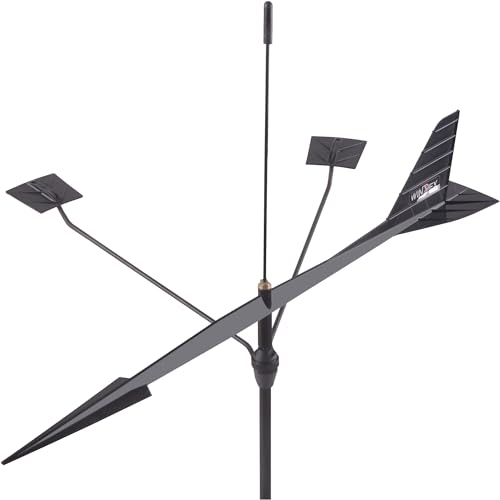
Best for small to mid-sized cruisers or racing dinghies, the Windex 15 MK2 combines a reliable vane with a bird spike to keep the mast clear. The complete package includes the vane unit, supporting rod, index arms, mast socket, and a bird spike that extends above the vane for added protection. This arrangement makes wind direction obvious at a glance, even in light breeze. The device is known for accurate readings and dependable performance, essential for competitive sailing. Use this if you prioritize a compact, low-profile setup with added bird deterrence.
- Best for: Boats 15–40 ft needing clear wind reads and a simple installation.
- Why selected: It offers reliable wind direction readings with an integrated bird deterrent, reducing mast clutter and maintenance concerns.
- Caution: Ensure mounting aligns with the mast profile to preserve the spike’s effectiveness.
Five Oceans FO2080 Wind Direction Indicator
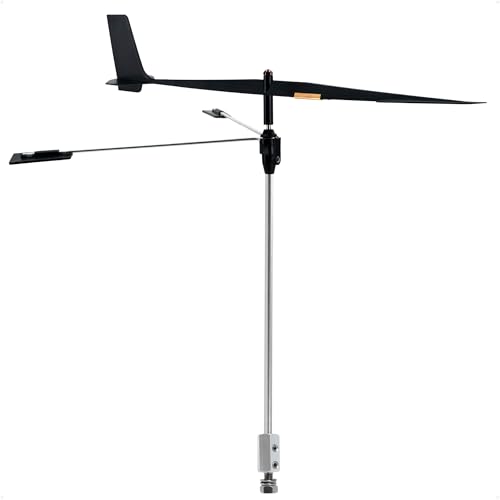
The Five Oceans FO2080 is well-suited for sailboats 15 feet and larger, combining a 14-1/4″ vane with a through-bolt mounting socket. The unit includes visible reflector tape for daylight readability and tacking tabs for night visibility, enhancing situational awareness during racing or coastal cruising. Its 13″ height helps keep the indicator above deck clutter, yielding steady wind direction data in varied seas. Choose FO2080 if you want visibility both day and night without a heavy electronic display.
- Best for: Sailboats needing reliable day/night visibility and a straightforward install.
- Why selected: The reflective tape and sturdy mounting ensure legibility in diverse conditions.
- Caution: It relies on wind vane mechanics, so very rough seas might momentarily reduce responsiveness.
Garmin GNX Wind
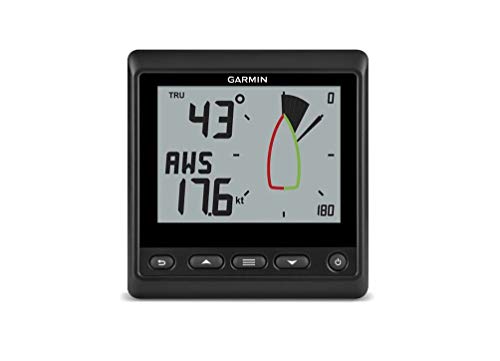
The Garmin GNX Wind is designed for cruisers who want digital wind data and multiple data fields in one display. It presents true and apparent wind data alongside other navigation information like boat speed. The backlit LCD display is designed to resist fogging and remains legible in varying lighting. This instrument supports a more integrated cockpit experience, with a focus on digital accuracy rather than only mechanical wind sensing. Choose GNX Wind for a modern interface and consolidated data at the helm.
- Best for: Boats seeking digital wind data with multiple display fields.
- Why selected: Combines wind data with additional navigation metrics for a comprehensive cockpit view.
- Caution: Digital systems may require occasional software updates and power considerations.
Sailboat Instrument Kit – Wind Speed With gWind Transducer

This kit provides wind speed data with a gWind transducer, useful for boats that want direct wind speed readings alongside basic wind direction. The mounting style is surface-mount, and the display is described as “without display,” indicating external or integrated cockpit displays may be used. The design emphasizes efficiency with a 3-bladed propeller and an alternative to the A Cups design. Choose this kit if you need a compact wind speed solution that integrates with an existing data display or helm setup.
- Best for: Boats requiring wind speed data without a built-in display.
- Why selected: Efficient, surface-mount installation with a focus on wind speed output.
- Caution: Requires an external display unit in most configurations to view wind speed data.
Buying Guide: How to Pick The Right Wind Instrument
- Boat size and mounting: Smaller boats benefit from compact vane indicators; larger boats can use bigger vanes or digital displays for readability at a distance.
- Visibility needs: Day/night readability matters. Look for reflectors, backlit displays, or high-contrast indicators.
- Data type: Do you want simple wind direction only, or do you need wind speed, true/apparent wind, and boat speed?
- Power and maintenance: Mechanical wind vanes require little power but can wear. Digital options depend on power and occasional software updates.
- Integration: If you already run a digital cockpit, a GNX-style wind instrument may simplify data display and reduce clutter.
- Installation complexity: Surface-mount versus mast-integrated units affect the mounting effort and mast compatibility.
Frequently Asked Questions
- What’s the difference between true wind and apparent wind indicators? True wind is the actual wind over the water, while apparent wind is what you feel on the moving boat. Digital displays often show both.
- Do wind direction indicators work well in gusts? Yes, high-quality wind vanes are designed to react quickly to changing wind direction, but very rough seas can momentarily affect readings.
- Is a bird spike on a wind vane important? For some installations, bird spikes help prevent birds from landing on the mast and obstructing the vane’s motion.
- Should I choose a purely mechanical vane or a digital wind instrument? Mechanical vanes are low-maintenance and robust, while digital instruments offer more data and better integration with electronics.
- Can I install wind instruments myself? Many options are designed for simple mounting, but some kits may require professional installation depending on boat configuration.
- How do I know the best wind instrument for racing? Look for fast response time, clear visibility, and whether the data format suits your helm or race committee requirements.