Direct answer: The best sealants for boat windows are the clear, UV-resistant marine-grade formulas that cure to a transparent, flexible, and durable seal, with strong adhesion for glass, acrylics, and fiberglass. This guide compares top options ideal for window seals on hulls, decks, and cabin windows. Suitable buyers include: boat owners seeking permanent, weatherproof seals; DIYers needing fast cure; and professionals requiring long-lasting results above or below the waterline. The following selections emphasize clarity, transparency, and resistance to salt, sun, and temperature swings.
| Product | Best For | Key Benefit | Notable Limitation |
|---|---|---|---|
| [Crystal Clear] 5200 Marine Sealant Clear – 10.5 Oz | Boat owners needing glass-like clarity | Transparent, UV-resistant, fast cure | May be harder to tool in very tight gaps |
| 3M Marine Grade Silicone Sealant 08019 | Above-waterline, versatile uses | Flexible, paintable finish | Not ideal for below-waterline immersion without testing |
| [Crystal Clear] 4200 Marine Sealant Clear – 10.5 Oz | Clarity-focused seals | Excellent transparency, fast cure | Similar use to 5200; choose based on cure/adhesion needs |
| [Black] 5200 Marine Sealant – Fortivo | Heavy-duty, below-waterline applications | High bond strength, UV protection | Color may require masking on visible surfaces |
| Gorilla 100% Silicone Caulk – Clear | General-purpose indoor/outdoor; quick seal | Waterproof, strong cure | Not a marine-specific formulation; test for prolonged saltwater exposure |
[Crystal Clear] 5200 Marine Sealant Clear

Features: Crystal-clear, glass-like transparency; professional-grade sealant; withstands saltwater, UV rays, and extreme weather; fast curing with 30-minute initial set and 24-hour full cure; 500 PSI tensile strength. Best for boat windows, glass or acrylic interfaces, and surfaces where aesthetics matter. Best for: owners needing a transparent, high-strength seal on window frames and glass panels. Caution: workflow requires clean, dry surfaces; may be less forgiving in very large gaps without proper bead control.
3M Marine Grade Silicone Sealant 08019
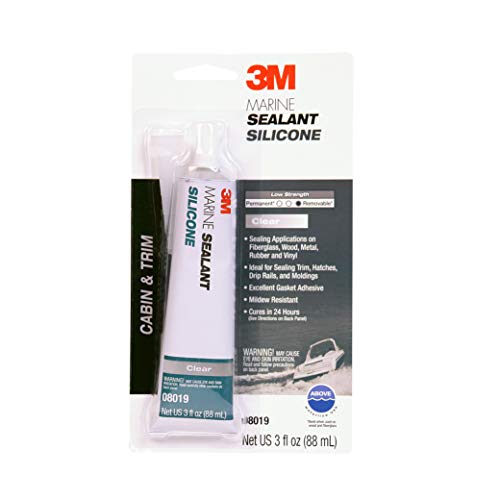
Features: Marine-specific sealant designed for above-waterline use; very versatile across bare/painted metal, glass, fiberglass, plastics, and rubbers; easy to use straight from container with no mixing; cures in as little as 24 hours. Best for: quick-drying, flexible seals above water, where you need a manageable, broad-material compatibility. Caution: not optimized for continuous submersion below the waterline without project-specific testing.
[Crystal Clear] 4200 Marine Sealant Clear

Features: Crystal-clear, glass-like transparency; UV-resistant, waterproof; fast curing with strong bonding for glass, acrylics, and polished surfaces; similar performance profile to 5200 but with emphasis on transparency. Best for: replacing window seals where visibility and aesthetics are paramount. Caution: may be less forgiving in widely moving joints; ensure proper surface prep and masking for a flawless bead.
[Black] 5200 Marine Sealant – Fortivo

Features: High load bearing capacity; UV-protected, all-weather shield; rapid 24-hour cure; tack-free in about 2 hours. Best for: heavy-duty, below-waterline or high-stress window frames where a strong, durable seal is required. Caution: black color may show on light surfaces if not masked or trimmed carefully; check surface compatibility with the window material.
Gorilla 100% Silicone Caulk – Clear

Features: 100% silicone, waterproof sealant; grips quickly for water exposure within about 30 minutes; versatile for indoor/outdoor use on many surfaces. Best for: quick, general-purpose sealing around windows and vents where a clear, flexible seal is sufficient. Caution: not a marine-specific formula; verify saltwater exposure suitability for long-term window sealing projects.
3M Marine Adhesive Sealant Fast Cure 5200 (05220)

Features: One-part adhesive sealant; cures quickly (within 48 hours); bonds above or below the waterline; strong, permanent sealing. Best for: professional-grade projects requiring reliable adhesion and fast turnaround. Caution: above all, ensure the surface is clean; 5200 can be difficult to remove once cured, so plan masking and bead placement carefully.
Buying Guide
What should I consider when choosing a boat-window sealant?
Key factors include cure time, bond strength, UV resistance, and whether the sealant can perform above or below the waterline. For windows, clarity matters; choose products that dry transparent to avoid noticeable beads. Consider the surface type (glass, acrylic, metal) and whether the sealant is paintable or requires masking for appearance.
Transparency vs. color options
For deck and cabin windows, crystal-clear formulas prevent yellowing or whitening and preserve aesthetics. If you need a sealant that blends with dark frames or hulls, a black option might be suitable, but plan for masking to avoid visible seams on light surfaces.
Durability and exposure
Marine environments demand UV resistance and saltwater tolerance. For prolonged submersion, prioritize products explicitly rated for below-waterline use. Above-waterline applications still benefit from flexible, UV-stable formulations.
Cure time and workability
Faster cures reduce downtime but may require precise application. Some products offer quick initial sets with longer full cure. If you’re sealing hard-to-reach gaps, consider products with good tooling and skin formation times to prevent sagging.
Application notes
Surface prep is essential: clean, dry, and free of oils. Follow manufacturer guidelines for curing conditions and temperature. Mask edges if precise bead lines are important, and use compatible primers or cleaners if recommended for glass or metal.
FAQ
- What sealant is best for boat windows above the waterline? Above-waterline seals benefit from flexible, UV-resistant silicones or polyurethanes, such as 3M Marine Grade Silicone (08019) or Crystal Clear 5200/4200, which cure clear and maintain elasticity.
- Can I use non-marine silicone around boat windows? It may work temporarily, but marine-grade formulas resist salt, humidity, and temperature changes better than indoor silicone, reducing the risk of failure over time.
- Is clear sealant necessary for window visibility? Yes. Clear formulations preserve visibility and aesthetics; opaque or tinted options can be used where color-manking is desired, but may obscure the seal’s appearance.
- How long does it take for marine sealants to fully cure? Curing times vary; many sealants reach full cure within 24–48 hours, though some adhesives may take longer depending on temperature, humidity, and surface porosity.
- Should I choose a fast-curing product for repair work? If downtime is a concern, fast-curing options help you get back on the water; however, ensure you have adequate time to shape and tool the bead before it skins.
- Are these products safe on acrylic windows? Most recommended marine-grade sealants are compatible with glass and acrylic; always verify compatibility with your specific acrylic thickness and coatings before application.