Answering the needs of boaters seeking reliable, self-contained cooling on the water. This guide highlights five marine-grade self-contained air conditioning units that are well suited for different boat sizes and operating environments. Best for cruisers who want quiet operation, best for larger cabins, best for corrosion resistance, and best for easy installation. Each entry explains who it’s best for and why, plus a practical limitation to consider.
| Product | Brand | BTU | Voltage | Type |
|---|---|---|---|---|
| 6,000 Btu/h Self Contained Marine AC | MarinAire | 6,000 | 110-120V | Self-contained |
| 11,000 Btu/h Self Contained Marine AC | MarinAire | 11,000 | 110-120V | Self-contained |
| 16,000 Btu/h Self Contained Marine AC | MarinAire | 16,000 | 208-230V | Self-contained |
| ECD Self-Contained Marine/EnviroComfort 16,000 BTU | Dometic | 16,000 | 230V | Self-contained |
| ECD6/2-1171-410A Retrofit Kit | SEALAND | — | — | Retrofit kit |
MarinAire 6,000 Btu/h Self Contained Marine AC

Best for compact living spaces on small boats. This unit emphasizes a rotatable blower, a sound shield, compact size, and high efficiency. The design suits vessels with limited engine room space where quiet operation is valued. Caution: installation location must support venting and electrical access.
MarinAire 16,000 Btu/h Self Contained Marine AC

Best for mid-to-large cabins where quiet operation is essential. The unit features a sound cover that reduces noise by up to 60%, and a corrosion-resistant titanium coil for harsh marine conditions. It uses energy-efficient R410A refrigerant. Caution: higher upfront cost and electrical load for 208–230V systems.
MarinAire 11,000 Btu/h Self Contained Marine AC

Best for moderate-sized cabins requiring a balance of cooling capacity and energy use. The 11,000 Btu model includes a quieting sound cover and a titanium coil for corrosion resistance. It’s a good fit for boats that run on 110–120V shore power or generators. Caution: ensure vessel electrical system can support startup currents.
Dometic ECD Self-Contained 16,000 BTU
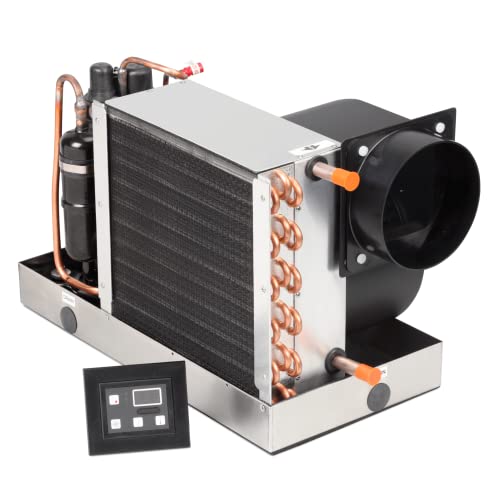
Best for boats needing robust cooling with a compact footprint. The ECD series uses R410A refrigerant and emphasizes energy efficiency, a digital control/display, and a high-velocity blower. It’s suitable for marine environments where space conservation and reliable cooling are priorities. Caution: installation may require careful routing for ducting or mounting space.
Dometic Marine ECD6/2-1171-410A Retrofit Kit

Best for upgrading existing marine cooling setups. This retrofit kit uses environmentally friendly R410A refrigerant and includes a versatile blower for horizontal or vertical installation. It adds flexibility to older systems that need modern refrigerant and improved airflow. Caution: installation requires compatibility with current components and professional setup for optimal results.
Buying Guide
What size boat or space will the unit effectively cool?
BTU capacity should match the cabin size. In smaller boats, 6,000–11,000 BTUs may suffice, while larger cabins or saloons benefit from 16,000 BTU units. Consider ceiling height, insulation, and sun exposure when selecting capacity.
What voltage and power considerations matter?
MarinAire units are available in 110–120V or 208–230V configurations. Verify your shore power or generator capabilities and ensure electrical circuits can handle startup surges. Energy-efficient refrigerants help reduce running costs.
How important is noise and vibration?
Quiet operation improves comfort on the water. Look for sound-damping features like sound shields or insulated blowers. If the vessel is small or has open lounges, quieter models may be preferable.
What about corrosion resistance?
Marine environments require robust corrosion resistance. Titanium coils and corrosion-resistant components extend life in saltwater conditions. Ensure proper bonding to sacrificial anodes as instructed by the manufacturer.
Installation considerations
Self-contained units vary in footprint and venting needs. Check available mounting space, ducting options, and whether the unit fits standard boat ventilation dimensions. Retrofit kits can modernize older systems but may require professional installation.
Maintenance and serviceability
Accessible service panels, filter accessibility, and refrigerant type are practical considerations. Choose models with straightforward maintenance routines to minimize downtime on the water.
Summary of top picks
- Best for compact boats: MarinAire 6,000 Btu/h
- Best for quiet, mid-size cabins: MarinAire 11,000 Btu/h
- Best for larger cabins with energy efficiency: MarinAire 16,000 Btu/h
- Best for robust, heavy-use environments: Dometic ECD 16,000 BTU
- Best upgrade option: Dometic ECD Retrofit Kit
FAQ
- Q: Do these units require professional installation? A: Installation complexity varies; consult the manufacturer’s guidelines and consider professional assistance for best results.
- Q: Can I run these on a boat without shore power? A: Some units can operate with generators or power inverters, but check the unit’s electrical requirements first.
- Q: Will these units work in extremely humid environments? A: Yes, self-contained marine AC units are designed for humid climates, but proper sealing and venting improve performance.
- Q: Are there maintenance tips I should follow after installation? A: Regular filter cleaning, coil inspection, and refrigerant checks as per the manual help maintain efficiency.
- Q: Is R410A refrigerant safe for marine use? A: R410A is common in marine A/C systems and is more environmentally friendly than older refrigerants; ensure proper handling and service by qualified technicians.
- Q: What should I do if I notice excessive noise after installation? A: Inspect mounting hardware, blower alignment, duct connections, and mounting isolators; tighten or replace components as needed.