If you need reliable, automatic power switching between shore power, an RV inverter, or a generator, a shore power generator transfer switch is essential. This article highlights five top choices tailored for RVs, campers, boats, and off-grid setups. Each option is explained with who it’s best for, why it’s a good fit, and any notable limitations. Use the buyer’s guide and FAQ to compare features like automatic switching, delay timing, and installation complexity.
| Product | Brand | Best For |
|---|---|---|
| Renogy 30Amp Transfer Switch | Renogy | RV and shore power users seeking seamless auto-switching |
| YAURILO 30 Amp Automatic Transfer Switch | YAURILO | Versatile power management for RVs and travel trailers |
| QHHR 30 Amp Transfer Switch | QHHR | Two-source, 30A automatic switching for generators and shore power |
| Go Power TS-50 50 Amp | Go Power | Higher-capacity setups needing robust transfer with generator delay |
| HKJWUN 30 Amp Transfer Switch | HKJWUN | adjustable delay timing and RV safety-focused switching |
Renogy 30Amp Transfer Switch for Solar Inverters

The Renogy option offers seamless power switching to maintain uninterrupted power when the main source fails and restoration occurs automatically. It’s widely compatible with Renogy pure sine wave inverters (1000W, 2000W, 3000W) and other brands’ battery inverters. Best for RVs, camping vans, and off-grid setups that already rely on Renogy or similar inverters. The unit is built from heat-resistant, corrosion-proof ABS for harsh environments. A potential limitation is its reliance on compatible inverters for optimal performance.
Who it’s best for: RV owners and off-grid enthusiasts who want automatic switching with broad inverter compatibility. Why chosen: robust build, reliable auto-switching, and solid performance across shore power, solar inverters, and generators. Caution: ensure your inverter is compatible to maximize seamless transfer.
YAURILO 30 Amp Automatic Transfer Switch
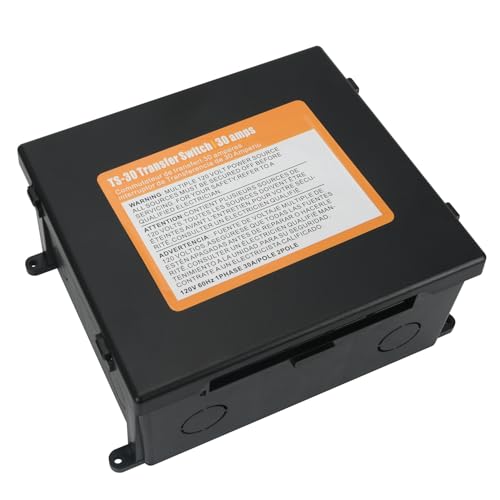
This 30A automatic transfer switch is designed to switch power between onboard generators, shore power, and inverters automatically after the onboard source starts. It uses plastic and copper construction to balance wear resistance and heat management. Best for: RV travelers who desire plug‑and‑play installation without rewiring, thanks to pre-punched holes. Caution: the plastic housing may not offer the same rugged feel as metal enclosures in extreme environments.
Who it’s best for: campers and RV users who prioritize quick, automatic transitions with easy installation. Why chosen: straightforward installation and broad compatibility. Caution: verify enclosure durability for your specific travel conditions.
QHHR 30 Amp Transfer Switch

The QHHR 30 Amp transfer switch seamlessly integrates with inverters, shore power, and generators, offering automatic switching between two 30A input sources. It is designed to manage two sources simultaneously, letting users choose the most reliable power route. Best for: users who need robust dual-source performance in compact form. Caution: ensure adequate space and ventilation for the device in your installation area.
Who it’s best for: RV owners requiring reliable dual-source management. Why chosen: flexible two-source handling and straightforward automatic switching. Caution: confirm electrical clearances for safe operation with your setup.
Go Power TS-50 50 Amp Transfer Switch
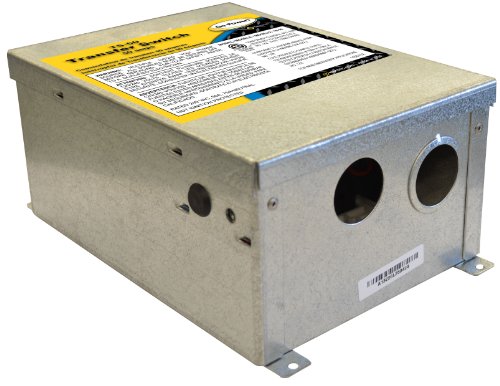
The TS-50 from Go Power supports higher amperage, enabling power transfer between inverters, shore power, and generators with a built-in delay switch. This delay is designed to protect equipment and ensure safe transitions when generators are involved. Best for: larger RVs or setups with higher electrical loads. Caution: higher amperage requires careful wire sizing and proper installation.
Who it’s best for: users needing robust, high-capacity transfer with generator delay. Why chosen: reliable dual-source capability and generator-safe delay feature. Caution: verify installation space and wire gauge requirements for safe operation.
HKJWUN 30 Amp Transfer Switch

HKJWUN’s model features adjustable delay timing and a 12V DC relay to maintain stable performance during frequent power transitions. It is designed to switch between two independent 120V inputs for RVs, ensuring a reliable supply. Best for: RV owners who want customizable switchover timing to protect sensitive electronics. Caution: verify that the adjustable delay aligns with your generator’s stabilization time to avoid premature switching.
Who it’s best for: travelers needing customizable timing and stable pv transitions. Why chosen: flexible delay control to fit various generator and inverter start-up profiles. Caution: ensure you understand the delay settings to optimize between safety and power availability.
Buying Guide: How to Choose the Right Shore Power Transfer Switch
- Automatic vs manual: If you want hands-off operation, choose an automatic transfer switch (ATS). Manual units require you to switch sources yourself.
- Amperage rating: Match the switch to your power needs. Most units here handle 30A or 50A, with higher capacity suitable for larger RVs or higher-demand electronics.
- Source compatibility: Verify compatibility with shore power, inverters, and generators in your system. Some switches excel with solar inverters, others focus on dual-generator setups.
- Delay timing: A generator delay helps protect appliances during startup. Look for adjustable delay options if your setup requires precise timing.
- Installation and wiring: Consider whether the unit requires professional installation or can be installed with basic electrical knowledge. Check pre-punched holes and included mounting hardware.
- Durability and enclosure: Marine or RV environments demand robust housings. ABS plastics are common; metal housings may offer extra protection.
- Safety features: Reverse polarity indicators and interlocks can prevent miswiring and damage to docks or onboard systems.
Frequently Asked Questions
- What is a shore power transfer switch and why do I need one?
A shore power transfer switch automatically routes power from shore power, an inverter, or a generator to your RV or off-grid system, preventing backfeed and ensuring continuous, safe power supply.
- Do I need a 30A or 50A transfer switch for my RV?
Choose based on your electrical system rating and appliances. 30A units suit many mid-size RVs, while 50A units support higher-demand setups and larger rigs.
- Can I install a transfer switch myself?
Some units are designed for easy installation with pre-punched holes and simple wiring, but others may require professional electrical work. Follow the manufacturer’s instructions and local codes.
- What is a generator delay switch?
A delay switch pauses power transfer to ensure a generator reaches stable voltage before supplying loads, reducing risk to sensitive electronics.
- Are there safety features to watch for?
Look for indicators like reverse polarity lights, interlocks, and solid enclosures to prevent unsafe conditions during switching.
- Will these switches work with solar-inverter setups?
Many models are compatible with solar inverters and shore power, but always verify compatibility with your specific inverter model and battery system.