Looking for a compact outboard that fits a small dinghy or inflatable boat? This guide features five reliable options designed for small craft, easy handling, and steady performance. The chosen models suit casual anglers, day-trippers, and light-duty travelers who need trustworthy propulsion without bulk. Each entry highlights who it’s best for, why it’s a solid pick, and one practical caution to consider. A quick buyer’s table at the top helps you compare core specs at a glance.
| Product | Type | Horsepower | Best For |
|---|---|---|---|
| YIYIBYUS 2.3HP 52cc | 2-stroke gas | 2.3 HP | Lightweight dinghies, inflatables |
| CUKUSIN 4 Stroke 4 HP | 4-stroke gas | 4 HP | Sturdy small boats, long use |
| Newport NV-Series 36lb | Electric trolling | 36 lb thrust | Kayaks, small dinghies with trolling needs |
| Watersnake T18 ASP | Electric trolling | 18 lb thrust | Very light dinghies, paddlers |
| Ireliajob 4 Stroke 4 HP | 4-stroke gas | 4 HP | Balanced power for inflatable boats |
YIYIBYUS 2.3HP 52CC Outboard Motor

The YIYIBYUS 2.3HP outboard is a compact, gas-powered option designed for small boats such as dinghies and inflatable craft. It uses a 52cc two-stroke engine with non-contact electronic ignition, delivering a balance of light weight and usable thrust. Best for ultralight dinghies or as a spare auxiliary motor on larger inflatables. A limitation: two-stroke engines require correct fuel mixing and regular maintenance to sustain performance.
CUKUSIN 4 Stroke Outboard Motor 4 HP

This 4-stroke motor offers user-friendly operation and a manageable weight. It features a four-stroke lubrication system and a twist throttle for safer maneuvering. With a 15 kg (about 33 pounds) weight and a short shaft option, it suits inflatable boats, kayaks, and small dinghies needing reliable power without excessive bulk. A caution: as a four-stroke design, routine maintenance is essential to sustain efficiency and longevity.
Newport NV-Series 36lb Electric Trolling Motor

The Newport NV-Series 36lb is a compact electric trolling motor with a 30″ shaft and a 6″ telescoping tiller handle. Eight speeds (five forward, three reverse) and a two-blade propeller help keep boats steady and quiet, which is advantageous for fishing or wildlife observation on small craft. Best for anglers who want predictable control and minimal maintenance. Limitation: top speed is modest, suitable for trolling rather than quick movement.
Watersnake T18 ASP – 18 lb Thrust
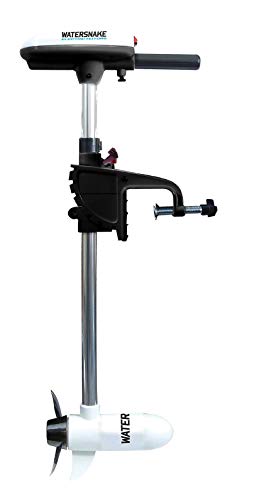
Watersnake T18 ASP is a lightweight electric option tailored for kayaks, canoes, and very small dinghies. It weighs about 4.85 pounds and includes a 24″ shaft with an adjustable mount. The hand tiller and reversible thrust provide practical control in tight spaces. Best for ultra-light setups or as a portable backup motor. Caution: battery not included, so plan for power supply separately.
Ireliajob 4 Stroke Outboard Motor 4 HP
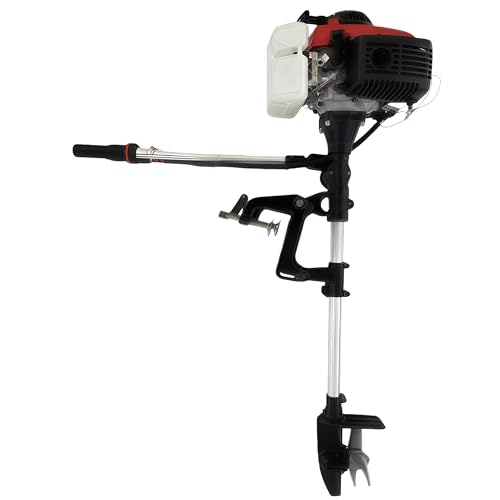
The Ireliajob 4 Stroke outboard delivers a balanced 4 HP, designed for inflatable boats, canoes, and small sailboats. Features include a built-in water cooling system and a CDI ignition with a smooth throttle for controlled speed changes. Best for users seeking consistent power with reliable cooling. A potential limitation is that power is moderate for larger dinghies or heavier loads.
Buying Guide: Key Purchase Considerations
- Boat type and weight: Choose motor power that matches the boat size and intended load. Lighter dinghies benefit from smaller two-stroke or electric motors, while larger inflatables can handle 4 HP plus options.
- Fuel vs. electric: Gas engines provide higher range and power, but require fuel management and maintenance. Electric trolling motors offer quiet operation and easy maintenance but depend on battery life and availability of charging options.
- Shafth length and mounting: Short shafts suit small dinghies and compact transoms; long shafts prevent cavitation on deeper transoms. Ensure mounting hardware fits your boat’s transom.
- Maintenance and operation: Four-stroke engines typically run cleaner and require regular oil and filter checks. Two-stroke units mix fuel and oil; follow the manufacturer’s ratio precisely to avoid damage.
- Control and handling: Look for intuitive throttle controls, easy starting mechanisms, and reliable reversing features if you’ll navigate tight spaces or currents.
- Durability and corrosion resistance: Aluminum and corrosion-resistant casing extend life in saltwater or brackish conditions. Consider polyester or marine-grade finishes for longer longevity.
- Portability and storage: For accessory mobility, weigh motor weight and handle design. Lighter options are easier to transport and mount on small boats.
Frequently Asked Questions
- What size engine is best for a small dinghy?
– For dinghies under 10 feet, 2–4 HP gas engines or electric trolling motors around 18–36 lb thrust are common starting points. - Do electric trolling motors work well in saltwater?
– They can, but ensure corrosion-resistant parts and rinse after use. Saltwater can accelerate wear on components not designed for it. - Is a short or long shaft better for a small boat?
– Short shafts fit most small dinghies with low transoms; long shafts help prevent propeller cavitation on higher transoms or choppy water. - What maintenance is needed after a season?
– Regularly check fuel, oil (for four-strokes), spark plugs (two-strokes), and battery health for electric motors. Rinse with fresh water after saltwater use. - Can I use a trolling motor on a flat-bottom dinghy?
– Yes, many users pair a trolling motor with a light dinghy, especially for fishing or micro-cruises in calm waters. - What safety measures should I follow?
– Always wear a life jacket, ensure the motor mount is secure, and follow local boating regulations and noise/emission guidelines.