If you’re shopping for a compact electric trolling motor, you want reliable power, durability in marine conditions, and simple control. This guide highlights five top options ideal for small boats, kayaks, canoes, and compact dinghies. Each pick is evaluated for typical buyers: casual anglers, weekend explorers, and small-boat setups where weight and efficiency matter. Use the quick-reference table below to compare key specs at a glance.
| Product | Thrust | Shaft | Best For |
|---|---|---|---|
| Endura C2 – 30 Lb | 30 lb | 30″ | Budget-friendly, freshwater ≤ small boats |
| Endura C2 – 40 Lb | 40 lb | 36″ | Moderate power, larger small boats |
| Newport NV-Series – 36lb | 36 lb | 30″ | Saltwater and freshwater versatility |
| Newport NV-Series – 55lb | 55 lb | 30″ | Heavier loads, bigger boats |
| Newport NV-Series – 62lb | 62 lb | 36″ | High-thrust conditions, larger vessels |
Minn Kota Endura C2 Transom-Mount Electric Trolling Motor – 30 Lb Thrust
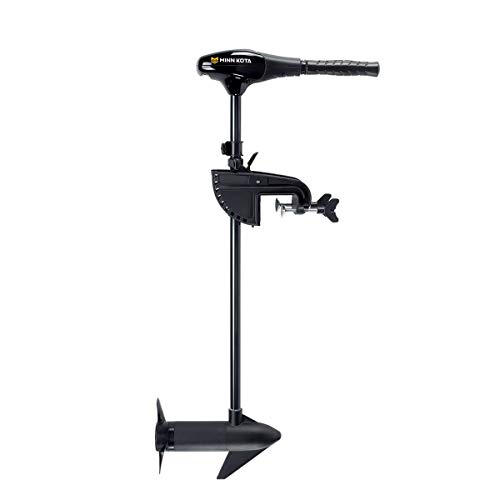
This 30-pound thrust Endura C2 is a solid, entry-level choice for small freshwater boats or kayaks. It features a 6-inch telescoping tiller for comfortable steering and a push-to-test battery meter on the motor head. The 30″ shaft keeps the propeller in clean water for typical shallow-water use. Best for budget-conscious anglers who fish calm, freshwater lakes and ponds.
Best for: casual freshwater fishing on compact boats. Better for: lighter setups where ease of use matters most. Caution: lower thrust may be insufficient in strong wind or current.
Minn Kota Endura C2 Transom-Mount Electric Trolling Motor – 40 Lb Thrust
This 40 lb version provides more reserve power for small boats and choppier days. Like the 30 Lb model, it includes a telescoping tiller for comfort and a battery meter integrated with the motor head. The reinforced composite body resists marine wear and tear, making it a reliable pick for freshwater use and modest currents.
Best for: small boats needing a bit more thrust without stepping up to high-end models. Better for: steeper runs or light current. Caution: still best suited to freshwater and calm days.
Newport NV-Series 36lb Thrust Trolling Motor 12V

This Newport NV-Series 36lb model balances lightweight efficiency with reliable performance for kayaks, canoes, and small boats. It’s designed for saltwater and freshwater use, featuring a 30″ shaft and a quiet operation profile. The 2-blade propeller is optimized for battery life, making it suitable for longer trips on smaller craft.
Best for: smaller vessels seeking efficiency and saltwater compatibility. Better for: paddlers and anglers who value runtime. Caution: lower thrust than heavier Newport models may struggle in strong winds or high currents.
Newport NV-Series 55lb Thrust Transom Motor
The 55lb NV-Series model delivers robust thrust for larger craft and heavier loads while maintaining a manageable 30″ shaft and LED battery indicator. It’s designed for saltwater trolling and accommodates eight speeds (five forward, three reverse). The 3-blade propeller provides strong low-end torque and smoother maneuverability in challenging conditions.
Best for: larger small boats or boats with heavier gear. Better for: frequent trolling in varied water conditions. Caution: higher thrust means more battery draw and weight to manage.
Newport NV-Series 62lb Thrust Saltwater Transom Motor
The 62lb thrust model targets bigger boats and tougher conditions. With a 36″ shaft and LED battery meter, it supports heavy loads and longer trolling sessions in saltwater environments. The large three-blade prop delivers maximum push, helping boats maintain speed against wind and current.
Best for: bigger jon boats and anglers facing strong currents or wind. Better for: sustained trolling with higher drag. Caution: heavier setup may affect balance on very small crafts.
Buying Guide: Key Considerations For Your Trolling Motor
- Boat size and weight: Match thrust to your boat’s weight and typical load. Smaller boats may need 30–40 lb thrust, while larger small boats benefit from 55–62 lb options.
- Shallow water vs. open water: Shaft length matters. Longer shafts help keep the prop in water when bow height varies or ride height is high.
- Voltage and battery: Most small motors run on 12V. For extended runs, consider higher thrust plus reliable battery capacity to avoid frequent recharges.
- Saltwater vs. freshwater: Saltwater-rated motors resist corrosion; if you fish in brackish or saltwater, prioritize saltwater-capable builds.
- Propeller design: A 3-blade prop provides better low-end torque for heavier loads; a 2-blade prop often offers efficiency for lighter setups.
- Control features: Telescoping tillers improve comfort; battery meters help manage runtime; mounting brackets affect ease of use and angle control.
Frequently Asked Questions
- Which trolling motor is best for a kayak? A 30–36 lb thrust with a 30″–36″ shaft is typically ideal, offering adequate power without overburdening a small craft.
- Should I choose saltwater-rated motors for freshwater use? Saltwater-rated motors work in freshwater but may cost more. Choose based on where you’ll fish most often and exposure to corrosive elements.
- How important is shaft length? Longer shafts help keep the prop in the water if the bow sits higher on the water, improving efficiency in shallow or choppy conditions.
- Is higher thrust always better? Not always. Higher thrust adds weight and battery consumption. Choose thrust to match boat size and typical water conditions.
- What maintenance is required for electric trolling motors? Regularly inspect mounting hardware, propeller for entanglements, battery health, and keep the motor head clean from debris and salt buildup if used in saltwater.
- Can I use a 12V motor on a larger boat? For larger boats, a higher thrust model is typically necessary to maintain control and performance.