If you’re outfitting a kayak with a trolling motor, you need a compact, reliable battery that fits in tight spaces, delivers steady run time, and is safe for marine use. This guide highlights five top options suitable for small kayaks, explaining who each battery is best for and why. Use these profiles to compare size, weight, lifecycle, and safety features so you can choose confidently for your paddling setup.
| Product | Type | Capacity | Best For |
|---|---|---|---|
| Lampword Lithium 12V 15Ah | LiFePO4 | 12V 15Ah | Lightweight kayak setups needing quick recharges |
| Renogy 12V 20Ah LiFePO4 | LiFePO4 | 20Ah | Compact, longer runtime for small fish finders and devices |
| Mighty Max Battery 12V 35Ah | SLA | 12V 35Ah | Budget-friendly option with solid deep-cycle credentials |
| Newport NV-Series 36lb 12V | Lead Acid AGM | 12V | Lightweight, sealed, all-around trolling motor use |
| DC HOUSE 12V 12Ah LiFePO4 | LiFePO4 | 12V 12Ah | Small kayaks needing a compact, long-life option |
Lampword LiFePO4 12V 15Ah Battery

Lampword offers a compact LiFePO4 option with notable cycle life and a built-in safety profile. This 12V 15Ah unit provides higher energy density than traditional lead-acid equivalents and weighs significantly less, making it suitable for lightweight kayak builds. Best for ultralight setups where weight and space are primary concerns. A key limitation is that high-power accessories may require multiple units wired in parallel or series to meet voltage and current needs, so plan battery count accordingly.
Renogy 12V 20Ah LiFePO4 Battery
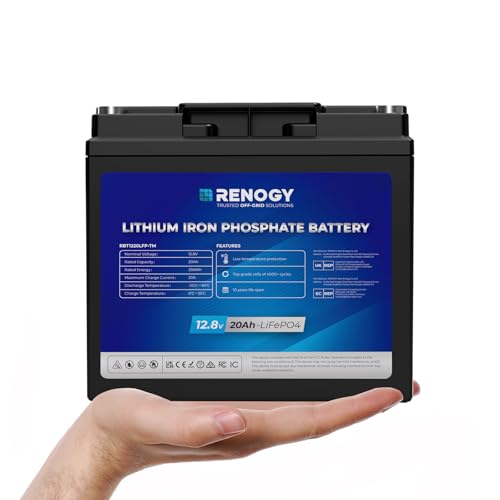
Renogy’s 20Ah LiFePO4 battery offers a balanced profile for kayaks needing more runtime without adding much weight. It includes a built-in BMS and emphasizes a lighter footprint relative to lead-acid options. This is better for kayaks that run small electronics, fish finders, and a modest trolling motor. Choose this if you want longer run time while keeping weight manageable. It’s not designed for starter applications or heavy high-current loads beyond trolling motor needs.
Mighty Max Battery 12V 35Ah (SLA)
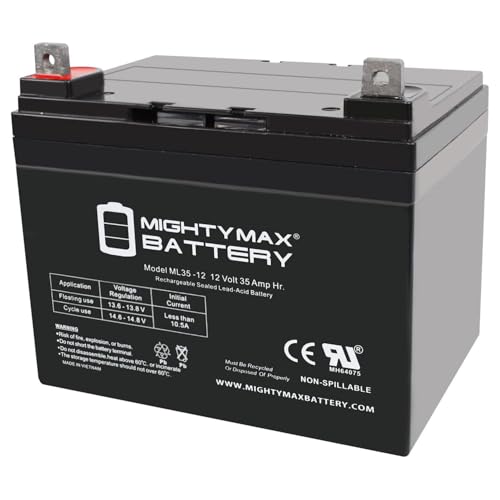
Mighty Max Battery’s 12V 35Ah SLA offers a budget-conscious deep-cycle option with strong discharge and recovery characteristics. The sealed lead-acid profile makes it robust for marine use and generally straightforward to set up. Best for kayaks that need a reliable, cost-effective power source with forgiving maintenance. The trade-off is heavier weight and shorter lifecycle relative to LiFePO4 equivalents, which may affect long-term operating costs and weight distribution on a compact kayak.
DC HOUSE 12V 12Ah LiFePO4 Battery

DC HOUSE presents a compact 12Ah LiFePO4 option built for longevity, with a 10-year lifespan and over 10,000 cycles claimed. It includes guidance about charger compatibility to avoid improper charging, making it a sensible choice for kayaks with strict space and weight constraints. Best for minimal, steady trolling motor use where long cycle life matters. A caveat is the need to use a lithium-compatible charger and to verify device compatibility, especially for UPS-like setups with tight space requirements.
Newport NV-Series 36lb Trolling Motor Battery

This Newport Vessels option focuses on lightness and portability while delivering solid trolling motor compatibility. The 36lb thrust rating described in the listing aligns with small craft needs, particularly kayaks requiring dependable performance without heavy battery packs. Best for those who prioritize a balance of weight, durability, and marine-grade construction. A potential limitation is its AGM lead-acid chemistry, which typically has shorter cycle life than LiFePO4 options and higher weight per amp-hour.
Newport Trolling Motor Smart Battery Box Power Center
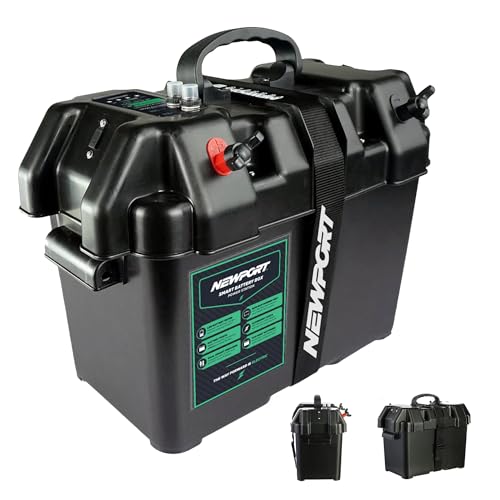
This product centers power management in one compact hub. It’s designed for easy external connections to trolling motors, fish finders, and other electronics on kayaks. Best for boaters who value clean setup and quick access to ports, USB, and 12V outlets without messy wiring. The unit acts as a power hub rather than a battery itself, so pairing with a reliable 12V source is essential. A note is that it does not substitute for the particular battery capacity needed for longer unknown trips—plan the battery and box together.
Buying Guide
When selecting a small kayak battery, balance capacity, weight, and durability. Consider LiFePO4 for long life and lightweight form, but verify charger compatibility and your power needs. Lead-acid AGM options can be cheaper upfront and are robust, yet heavier with shorter lifecycles. For ultra-light kayaks, aim for 12V batteries in the 10–20Ah range. If you run larger electronics or a higher-thrust motor, plan for higher-capacity packs wired in parallel or series as your voltage and current require.
What should I consider before buying?
- Weight and size compatibility with your kayak storage and mounting options.
- Battery chemistry: LiFePO4 for longevity and safety, SLA/AGM for lower upfront cost.
- Discharge depth and cycle life: higher DOD and cycles often justify LiFePO4 despite higher price.
- Charger compatibility: lithium batteries require lithium-specific chargers.
- Future expandability: whether you may add more devices or upgrades and need parallel/series wiring.
Quick comparison by use case
- Best for ultra-light kayaks: Lampword LiFePO4 12V 15Ah or DC HOUSE 12V 12Ah.
- Better for longer trips on small boats: Renogy 12V 20Ah LiFePO4.
- Best budget option with solid cycle life: Mighty Max 12V 35Ah SLA.
- Best integrated power hub concept: Newport Trolling Motor Smart Battery Box Power Center.
FAQ
- Can I mix battery types on a kayak? It is not recommended to mix different chemistries or capacities in a single system due to imbalanced charging and safety concerns.
- Do LiFePO4 batteries require special chargers? Yes. Use a charger compatible with LiFePO4 chemistry to avoid improper charging and BMS protection triggers.
- Which battery is lightest for a kayak? LiFePO4 units generally weigh far less than lead-acid options for similar capacity, making them lighter overall.
- How many batteries do I need for a small trolling motor? It depends on motor current and desired runtime. Some kayaks use a single 12V pack; for higher consumption, multiple packs wired in parallel or series may be needed.
- Is a battery box necessary? A battery box can simplify wiring and protect terminals on a kayak, but it’s not required if you manage clean wiring and secure mounting.
- What is a good runtime for kayak trolling motors? Runtime depends on motor thrust, battery capacity, and load. Plan for hours of operation with appropriate capacity for your trips.