Answering the need for reliable, maintenance-free bilge pump control, solid-state bilge pump switches offer fewer moving parts and better resistance to corrosion and debris. This guide highlights five top options suitable for most 12V and 24V bilge pumps, with clear reasons for each pick, ideal buyers, and practical cautions. Perfect for boaters seeking durable performance, installers replacing worn switches, and anyone prioritizing low failure risk in harsh marine environments.
| Product | Best For | Key Benefit |
|---|---|---|
| SEAFLO Electric Field Bilge Switch | Boats needing contactless sensing | No moving parts; senses water with electric field for reliable activation up to 20A |
| Johnson Pumps 36303 Ultima Auto Bilge Pump Switch | Industrial boats requiring rugged duty | Corrosion resistance; handles up to 20A at 12/24V |
| WW BILGE PUMP SWITCH 15 AMP | Budget-friendly, simple setups | Mercury-free; oil/fuel won’t trigger it; easy angle installation |
| Attwood 4801-7 Automatic Bilge Switch | Precision control in varied bilge conditions | Electronic Sensing tech; reliable auto/deactivate |
| Seasense Solid State Sensing Bilge Switch | Compact, waterproof option with LED status | All solid state; LED indicators; multiple mounting positions |
SEAFLO Electric Field Bilge Switch

The SEAFLO switch uses electric field technology to detect water and trigger the bilge pump, with no moving parts to wear or corrode. It’s designed for 12V or 24V systems and supports pump loads up to 20A. This makes it a strong pick for boats where long-term reliability and minimal maintenance are priorities. Best for boaters who want a compact, silent switch that resists marine contaminants.
Who it’s best for: small to medium boats, freshwater or saltwater users seeking a low-maintenance option. Why selected: solid-state design reduces failure points common with mechanical switches. Caution: verify compatibility with an existing pump wiring harness and ensure proper water sensing zone placement to avoid false trips.
Johnson Pumps 36303 Ultima Auto Bilge Pump Switch

The Ultima Auto Bilge Pump Switch by Johnson Pumps is designed for industrial-grade reliability, offering corrosion resistance and performance against oil and debris. It supports pumps up to 20 amps at 12 or 24 volts. Best for boats facing harsher bilge conditions or heavy inlet water. This switch is chosen for environments where durability and consistent operation matter most.
Who it’s best for: commercial or larger recreational boats with challenging bilge environments. Why selected: robust construction and corrosion resistance. Caution: installation may require careful wiring planning to match pump amperage and power supply.
WW BILGE PUMP SWITCH 15 AMP

The Water Witch WW switch offers a mercury-free, oil- and fuel-resistant design with straightforward installation and mounting at any angle. Its 15A rating suits many smaller pumps. Best for budget-conscious buyers seeking a simple, reliable solid-state option. Caution: lower amperage may limit compatibility with higher-power pumps.
Attwood 4801-7 Automatic Bilge Switch

The Attwood 4801-7 uses electronic sensing to activate or deactivate the bilge pump as needed. The S3 Series is engineered to operate across typical bilge water mixtures with high reliability. Best for users who want precise, automatic control and a switch designed to handle diverse bilge conditions. Caution: verify wire routing for temperature and moisture exposure to avoid shorts.
Seasense Solid State Sensing Bilge Switch
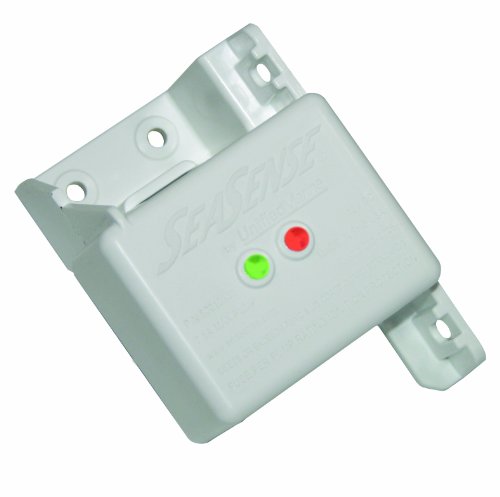
The Seasense model is a compact, fully solid-state bilge switch with LED indicators showing pump and switch activity. It features waterproof construction and multiple mounting positions for flexible installation. Best for installations where space is tight and visual status indication is helpful. Caution: LED visibility may be influenced by ambient lighting and mounting orientation.
Buying Guide
What is a solid-state bilge pump switch?
A solid-state bilge pump switch uses electronic sensing to operate a bilge pump without mechanical contacts. This reduces wear, resists corrosion, and often provides more consistent triggering than traditional switches.
How do I choose by voltage and amperage?
Match the switch to your pump’s voltage (12V or 24V) and its maximum current draw. If your pump draw approaches the switch’s limit, consider a higher amperage model or a switch designed for automatic sensing to ensure stable operation.
What installation considerations matter?
Factors include mounting location, water-sensing method, exposure to oil or fuel, and the bilge’s typical water composition. Ensure proper wiring, corrosion resistance, and secure mounting to prevent vibration-related wear.
Which features improve reliability?
Features to value: solid-state design with no moving parts, corrosion resistance, oil/fuel resistance, LED status indicators, and multiple mounting options. For tight spaces, a compact, low-profile switch is advantageous.
Best for different boat types
Small pleasure craft may prioritize compact, low-cost options. Larger boats or vessels operating in challenging bilge conditions may benefit from rugged builds with enhanced corrosion resistance and higher amperage capacity.
Maintenance considerations
Solid-state switches generally require less maintenance than mechanical ones, but periodic checks of wiring, seals, and mounting integrity help prevent loose connections or water intrusion.
Frequently Asked Questions
- What amperage should I look for in a solid-state bilge switch? Choose a switch that can handle your pump’s amperage, with some headroom to account for startup surges.
- Are solid-state bilge switches suitable for saltwater boats? Yes, many models feature corrosion resistance designed for saltwater use, but inspect seals and mounting for marine exposure.
- Do any of these switches require a separate bilge switch? Some models include automatic sensing, while others rely on a separate float switch for triggering.
- Can I install these switches at an angle? Several models allow mounting at various angles, but follow each product’s installation guidance to avoid triggering issues.
- Do LED indicators help with troubleshooting? LED status can confirm when the pump is active or when the switch is engaged, aiding diagnostics.
- Is a mechanical switch ever preferable? In very rough marine environments or where tactile feedback is needed, a mechanical switch can be preferred, but solid-state options offer improved durability in many situations.