Answering the need for a reliable space heater in a boat’s engine compartment, this guide highlights five purpose-built options. These heaters are designed to prevent freezing of pumps, bilge spaces, batteries, and nearby components while parked or during cold-weather cruising. They’re best for boat owners who store their vessel in winter or navigate in freezing conditions, and for those who require easy installation and automatic temperature control.
Summary of selected products:
| Product | Brand | Heating Power | Best For |
|---|---|---|---|
| Therelmax Boat Engine Compartment Heater | Therelmax | 500W | Widely protected bilges; quick warm-up |
| Xtreme Heaters Boat Engine Compartment Heater | Xtreme Heaters | 400W | Compact, versatile installations |
| Haoguo Built-in 650W Heater | Haoguo | 650W | Precise control; larger compartments |
| Haoguo 400W Boat Engine Compartment Heater | Haoguo | 400W | Budget-friendly, smaller spaces |
| Binmaton 400W Boat Heater | Binmaton | 400W | Automatic thermostat, self-regulating |
Therelmax 500W Boat Engine Compartment Heater
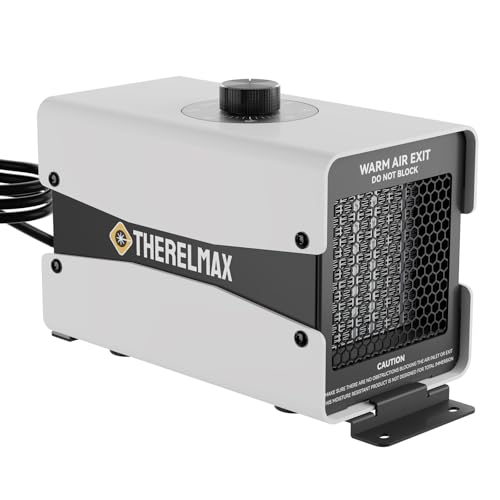
Key features: Built-in adjustable thermostat; 41℉-86℉ range; 3-second heat time with safe PTC ceramic heating. Best for: boaters who want fast warmth and a configurable temperature in bilges or engine compartments. This model helps reduce winterizing costs and keeps critical components above freezing.
Why chosen: It combines a compact 500W output with a safe PTC element and a waterproof fan, offering reliable protection in small to mid-sized compartments. Limitation: The thermostat range may be less precise for very small spaces, so verify space before installation.
Xtreme Heaters 400W Marine Certified Bilge Heater

Key features: 10% smaller footprint with a 150W boost; self-regulating PTC element; 58 CFM waterproof fan; corrosion-resistant anodized case. Best for: boaters needing a compact, durable option that maintains stable temperatures in multiple compartments. Limitation: Higher efficiency models may require adequate electrical capacity on board.
Haoguo 650W Built-in Thermostat Boat Heater

Key features: 650W self-regulating PTC element; adjustable temperature knob (41°F to 86°F); 40CFM waterproof fan; suitable for boats up to 350 cubic feet. Best for: larger engine compartments requiring more rapid warming and precise control. Limitation: Higher power draw may require circuit planning on older vessels.
Haoguo 400W Boat Engine Compartment Heater

Key features: Closed-engine design; self-adjusting PTC; 40CFM waterproof fan; 350 cubic feet coverage. Best for: budget-conscious boat owners with smaller compartments who still want automatic heating. Limitation: Lower wattage may mean longer warm-up times in very cold conditions.
BOATBILGEHEATERS Twin Hornet 45 700W System
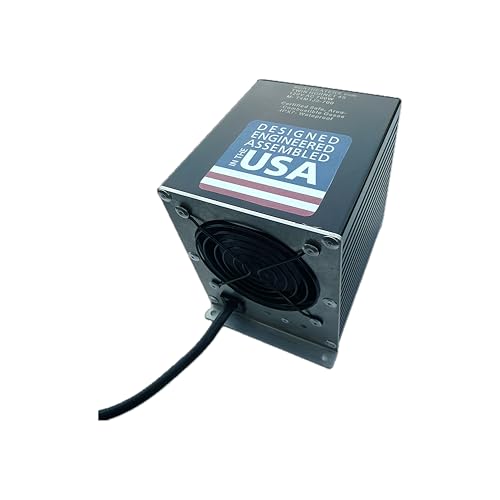
Key features: Dual-component heater with two heating modules, two thermostats, and two 50,000-hour fans; dual airflow redundancy. Best for: high-value assets and crews needing extra protection in pump houses or wet bays. Limitation: A larger unit may require more space and electrical planning; not ideal for very small compartments.
Binmaton Automatic Thermostat Boat Heater 400W

Key features: Automatic thermostat activates around 40°F and turns off around 55°F; self-regulating PTC technology; designed to protect engine compartments and bilge lines. Best for: winter storage scenarios where simplicity and automatic cycling are valued. Limitation: May be less effective in extremely large compartments without supplemental heating.
Caframo SEEKR by Caframo Boat Heater

Key features: Ignition protection; safe, self-regulated PTC element; dual airflow redundancy with two fans. Best for: users prioritizing ignition safety and redundancy in bilge-style compartments. Limitation: Canada-made design may influence availability or service considerations in some regions.
Buying Guide: How to Choose the Right Boat Engine Compartment Heater
- Space and capacity: Measure the engine compartment or bilge size (cubic feet) to match heater output. Larger spaces typically need 650W or dual-fan systems, while smaller compartments can manage with 400W.
- Temperature control: Look for automatic thermostats or self-regulating PTC elements for consistent warmth without manual adjustments. Adjustable thermostats are helpful for varying conditions on the water.
- Durability and water exposure: Choose waterproof fans and corrosion-resistant housings if the heater sits in damp bilge environments or high-humidity decks.
- Safety and ignition protection: If the boat sits unused for extended periods, use models with ignition protection features and dual safety measures.
- Electrical considerations: Verify on-board electrical capacity and circuit protections. Heaters with higher wattage require adequate supply and circuit breakers.
- Installation orientation: Some heaters are rated for upside-down mounting or flexible installation; ensure your mounting location supports the chosen unit.
- Maintenance and access: Consider how easy it is to access components for any routine checks or cleaning in cramped engine rooms.
Frequently Asked Questions
- What size boat heater do I need for a small engine compartment?
– A 400W unit is often sufficient for compact spaces under 350 cubic feet, especially when paired with good airflow. - Do these heaters require professional installation?
– Many are DIY-friendly, but large compartments or high-wattage units may benefit from professional wiring and mounting for safety. - Are self-regulating PTC heaters safer for marine use?
– Yes. PTC elements adjust output automatically, reducing overheating risks in enclosure spaces. - Can I use a bilge heater for RVs or greenhouses?
– Some models advertise multi-use functionality; check space, electrical load, and temperature needs for non-boat applications. - Will a thermostat help prevent freezing during extended dock storage?
– Yes. A thermostat helps maintain a steady, above-freezing temperature, protecting pumps and engines.