For aluminum boats, a spray sealant can provide a flexible, durable barrier against water intrusion, air leaks, and corrosion. This guide highlights five top spray sealants and related products that are well-suited for aluminum hulls, decks, and hardware. Whether you’re a casual weekend boater, a professional repairer, or a vintage aluminum restoration enthusiast, these options offer clear benefits. The following table summarizes who each product best serves and why it stands out.
| Product | Best For | Why It Stands Out |
|---|---|---|
| Gorilla Waterproofing Spray | Anyone needing a flexible, water-tight coating | Rubberized, self-leveling, UV resistant, easy spray |
| 303 Marine Spray and Rinse Ceramic Sealant | Coatings with long hydrophobic protection | SiO2 ceramic protection, up to six months |
| TotalBoat Aluminum Boat Leak Sealer | Rivets, seams, and small holes | Two-part epoxy, long working time |
| Glidecoat Marine Shine & Shield | High-end finish with long-lasting gloss | Ceramic spray with UV protection |
| STAR BRITE Waterproof Epoxy Aluminum Putty Stick | Underwater repairs and quick fixes | Fast-setting, aluminum-specific |
Gorilla Waterproofing Spray Clear Sealant
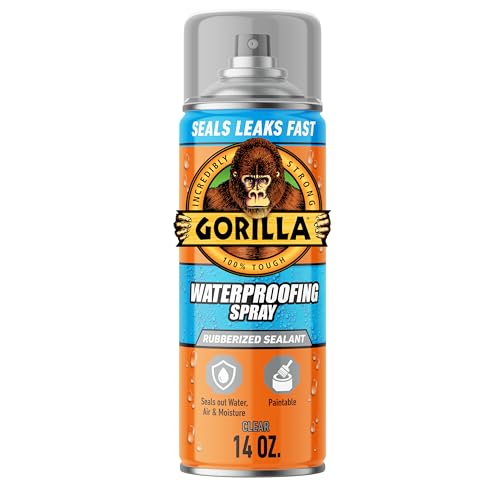
This spray is a flexible rubberized sealant designed to seal out water, air, and moisture. It cures to a clear, UV-resistant coating that self-levels and covers small gaps and cracks for a watertight seal. It’s best for quick, spray-on protection on aluminum hull seams, rivets, and fittings where a flexible layer is beneficial. A potential limitation is that it’s a spray coating, so very large areas may require reapplication intervals based on exposure and movement. Choose this if you want a straightforward, paintable sealant with decent UV resistance.
STAR BRITE Ultimate Aluminum Cleaner & Restorer
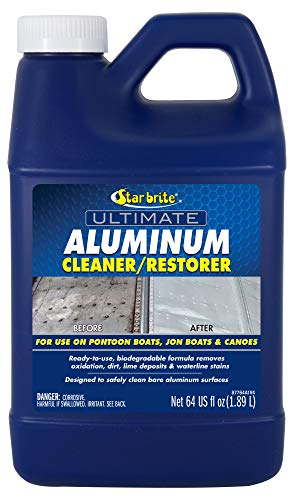
While not a spray sealant, this cleaner and restorer is included for its relevance in preparing aluminum surfaces before sealing. It’s best for buyers who need to revive dull, stained aluminum prior to applying a protective sealant. It will not harm bare aluminum and helps remove oxidation and grime to improve adhesion. For best results with a sealant, use this as a preparatory step before applying a spray sealant or epoxy sealant. Limitation: it does not provide a seal on its own.
303 Marine Spray and Rinse Ceramic Sealant

This SiO2-based spray provides rapid ceramic protection that activates with water. It offers hydrophobic defense for up to six months and yields a glossy, slick finish with minimal effort. It’s ideal for aluminum boats exposed to sun and salt, where you want a durable barrier without buffing or waxing. Best for maintenance detailing and top-coat protection, though it may require reapplication after heavy use or long-term exposure to harsh conditions.
TotalBoat Aluminum Boat Leak Sealer

This is a two-part, flexible epoxy designed to repair leaks around rivets, seams, and small holes. It offers a long working time (about 75 minutes at 72°F) to ensure thorough penetration and seal preparation. It adheres well to properly prepared aluminum surfaces and can tolerate lower temperatures, making it suitable for cooler climates. The main limitation is that it requires mixing and curing time, so it isn’t a quick fix for urgent repairs.
STAR BRITE Waterproof Epoxy Aluminum Putty Stick

Designed for underwater repairs on aluminum boats, this putty sticks harden quickly and provide durable, underwater-capable repairs. It’s best for emergency fixes or small patch jobs on rivets, joints, or pinholes. A limitation is that it’s a putty rather than a spray; use it for localized, quick repairs rather than broad surface sealing.
Buying Guide: Spray Sealants For Aluminum Boats
Key factors to consider when selecting a spray sealant for aluminum boats include surface type, environmental exposure, cure time, and maintenance needs. Below are practical questions to guide your choice.
What surface and area will you seal?
Spray sealants work best on seams, rivets, small gaps, and exposed aluminum surfaces. For large hull areas, pair a spray sealant with a dedicated cleaner or polish to maintain appearance and protection.
Do you need fast curing or long-term protection?
If you require rapid protection after an inspection, a fast-curing spray is useful. For ongoing protection against UV and oxidation, consider a ceramic or rubberized sealant with longer-lasting hydrophobic properties.
Is easy reapplication important?
Spray coatings that self-level and dry quickly are convenient for frequent maintenance. For complex geometry or hard-to-reach areas, a two-part epoxy or putty might be preferred to ensure a solid seal.
UV and saltwater exposure considerations
Aluminum boats in sunny, saltwater environments benefit from UV-resistant and corrosion-resistant formulations. Ceramic sealants typically offer stronger hydrophobic protection and longer intervals between reapplications.
Maintenance integration
Choose products that align with your cleaning and polishing routine. Some sealants pair well with existing waxes or cleaners, while others are stand-alone protectants requiring minimal upkeep.
Frequently Asked Questions
- What is the best spray sealant for aluminum boats?
- Can I use spray sealants on painted aluminum surfaces?
- How long does a typical spray sealant last on a boat?
- Should I prep the surface before applying a spray sealant?
- What’s the difference between a spray sealant and epoxy putty?
- Are there safety considerations when applying these products?
The best option depends on your needs. For quick sealing and flexibility, a rubberized spray is effective. For long-term protection, a ceramic spray offers extended hydrophobic performance.
Most spray sealants are designed for bare or lightly prepared aluminum. Check the product’s compatibility with paint or primer before application.
Durability varies by product and conditions, but ceramic-based seals can last several months, while rubberized coatings may require more frequent reapplication in harsh conditions.
Yes. Cleaning and removing oxidation improve adhesion and effectiveness. Some products also recommend a dedicated cleaner or restorer before sealing.
A spray sealant provides a protective layer on surfaces, while epoxy putty compounds are used for direct repairs of leaks, holes, or gaps. Putty is not a surface sealant, but a structural repair material.
Follow the manufacturer’s instructions, use in well-ventilated areas, and wear appropriate protective gear if needed. Some sealants may require curing times and avoid contact with skin or eyes.