Finding the most stable kayak is key to enjoying a safe and comfortable paddling experience, especially for beginners or those paddling in choppy waters. Stability depends on hull design, material, size, and intended use. Below is a summary table of the top kayaks selected for their exceptional stability, durability, and user-friendly features to help guide your purchase decision.
| Kayak | Type | Length | Key Feature |
|---|---|---|---|
| Pelican Argo 80X | Sit-in Recreational | 8 ft | Twin-arched multi-chine hull for ultra stability |
| Roc Inflatable SUP with Kayak Seat | Inflatable Stand Up Paddle Board | Not specified | Wide, stable design supporting up to 350 lbs |
| Perception Kayaks Conduit 13 | Sit-in Recreational | 13 ft | Spacious cockpit and adjustable seat back |
| Perception Kayaks Rambler 13.5 Tandem | Sit-on-Top Tandem | 13.5 ft | Roomy two-person design with high weight capacity |
| Reel Yaks Radar Modular Fishing Kayak | Modular Sit-on-Top | 10 ft | Lightweight modular design with fin drive pedal system |
Pelican Argo 80X Sit-in Kayak for Stability

The Pelican Argo 80X features a twin-arched multi-chine hull design, proven to deliver an exceptionally smooth and stable ride. Its patented Ram-X material combines durability and feather-light weight, catering to all paddling experience levels. The Ergofit backrest provides a comfortable and ergonomic seating position, enhancing overall paddling efficiency. The extended keel track improves directional stability, making it ideal for beginners or recreational kayaking where balance is a priority.
Roc Inflatable SUP with Kayak Seat for Versatile Stability

This inflatable stand up paddle board from Roc doubles as a kayak with included kayak seat, broadening usage options with a wide and stable base design. Made from high-grade material 50% stronger than competitors, this model supports up to 350 lbs, making it one of the safest and most reliable inflatable options. Its non-slip comfort deck enhances balance, especially beneficial for those new to paddling or transitioning from stand-up to sit-down modes.
Perception Conduit 13 Sit-In Recreational Kayak
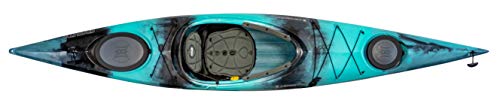
The Perception Conduit 13 is designed for larger paddlers seeking a fun, fast, and versatile kayak. The spacious cockpit affords comfort to most body sizes. The seatback’s multi-directional adjustability (forward, backward, up, down) allows for personal comfort and stability improvement. Its length and design promote steady tracking and balance, making it excellent for recreational paddling with extra stability.
Perception Rambler 13.5 Tandem Sit-On-Top Kayak
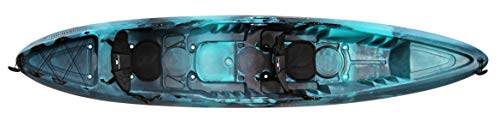
The Rambler 13.5 is a roomy tandem kayak that maintains great maneuverability and remarkable stability with its wide 34-inch beam and high weight capacity of 550 lbs. Its multiple scuppers promote proper drainage, enhancing safety and flotation. Robust rotational-molded construction ensures durability. Its design allows configuration for solo paddling while keeping exceptional balance across different water conditions and skill levels.
Reel Yaks Radar Modular Fishing Kayak

The Reel Yaks Radar offers innovative modular assembly with lightweight components weighing only 31 lbs each for convenient transport. Its fin drive pedal system enables smooth, hands-free propulsion, providing enhanced control and stability in shallow water environments. The kayak’s design balances portability with robust stability, making it ideal for fishing enthusiasts or casual paddlers looking for a highly adaptable and lightweight vessel.
Buying Guide: Choosing the Most Stable Kayak
Selecting the best stable kayak depends on several factors aligned with your needs and water conditions. Here are key considerations:
1. Hull Design
The shape of the hull significantly affects stability. Flat-bottom and multi-chine hulls, like the Pelican Argo 80X’s twin-arched design, offer excellent primary stability, ideal for calm waters and beginners. V-shaped hulls improve tracking and secondary stability for choppier waters but may feel less stable initially.
2. Kayak Type
- Sit-In Kayaks: Provide protection and comfort, preferred for cooler climates.
- Sit-On-Top Kayaks: Easier to get on/off and generally more stable due to wider beams.
- Inflatable Kayaks & SUPs: Portable and forgiving on balance with wide platforms.
- Modular Kayaks: Offer portability without sacrificing stability, suitable for travel.
3. Width and Length
Wider kayaks offer better stability but may be slower and harder to maneuver. Longer kayaks track better in a straight line but can be less stable side-to-side. Balance these based on your use — wide and shorter for lakes or calm water, longer and narrower for rivers or longer trips.
4. Weight Capacity and Seating
Ensure the kayak’s weight limit accommodates you plus gear. A well-designed adjustable seating system, like on the Perception Conduit 13, enhances both comfort and stability by improving your paddling posture.
5. Material and Build Quality
Durability influences long-term stability. Look for kayaks constructed from robust, lightweight materials such as Ram-X or high-grade polymers for abrasion resistance and impact absorption without excessive weight.
6. Additional Features
- Keel Extensions help maintain straight tracking and stability.
- Scuppers enhance drainage and safety for sit-on-top kayaks.
- Inflation valves on inflatable kayaks, like pressure relief systems, help maintain consistent stability.
Considering these factors will ensure you select a kayak optimized for maximum stability, safety, and enjoyment on the water.