When choosing torpedo-style electric boat motors, the right option balances power, size, and reliability for your vessel. This guide targets hobbyists and anglers using kayaks, canoes, small jon boats, or compact skiffs who want quiet, efficient propulsion with easy battery management. The highlighted models include both lighter 36–55 lb thrust units for smaller craft and higher-thrust options up to 62 lb for bigger setups. Below, each product is evaluated for who it’s best for and why it’s a strong pick, with clear trade-offs to help compare at a glance.
| Product | Thrust | Best For | Key Benefit |
|---|---|---|---|
| Newport NV-Series 36lb | 36 lb | Kayaks, canoes, light inflatables | Low weight, efficient for battery life |
| Newport NV-Series 62lb | 62 lb | Larger boats, heavier loads | High thrust for rougher conditions |
| Newport NT300 Electric Outboard | 1300 W (approx. 3 HP) | Extended-range adventures | Ultra-quiet, long runtime |
| PEXMOR 55LBS | 55 lb | Medium to larger boats | Balanced power with adjustable handle |
| PEXMOR 36LBS | 36 lb | Budget-friendly, compact boats | Lightweight and efficient for small crafts |
Newport NV-Series 36lb Thrust Trolling Motor

Best for lightweight craft, this 36 lb thrust trolling motor provides quiet propulsion for kayaks, canoes, inflatables, and small boats. It is designed for saltwater use and features corrosion-resistant construction. The 30″ shaft and two-blade propeller optimize battery life for calm to moderate conditions. This unit is a practical choice when portability and batterylife matter most, such as solo paddling or small boat setups.
solo anglers or boaters with compact vessels seeking an affordable, efficient electric option. Why selected: compact size and low weight help maintain maneuverability and longer battery runtime in small watercraft. Caution: lower thrust means less performance in strong currents or windy days.
Newport NV-Series 62lb Thrust Trolling Motor
Best for bigger boats and heavier loads, this 62 lb thrust motor delivers substantial power for challenging conditions. It uses saltwater-rated construction and offers a large 36″ shaft along with a high-thrust 3-blade propeller for improved control in wind, current, and longer runs. A reliable option when you need strong propulsion without sacrificing quiet operation.
Who it’s for: boaters with larger craft or demanding water conditions. Why selected: higher thrust supports heavier setups and tougher water. Caution: heavier unit may impact mounting and battery weight considerations on very small vessels.
Newport NT300 Electric Outboard

Best for extended trips and quiet operation, the NT300 is a 3HP-equivalent outboard with a 66-mile range and up to 30 hours runtime. It features digital throttle, a 24.6″ shaft, a 9.8″ two-blade prop, and field-oriented control for responsive performance in varying water conditions. Ideal for anglers who value range and low noise in saltwater or freshwater environments.
Who it’s for: boaters prioritizing range and quiet propulsion on longer outings. Why selected: high endurance and advanced throttle/interface. Caution: higher voltage (36V) configuration may require compatible battery setup and charging considerations.
PEXMOR 55LBS Thrust 8 Speed
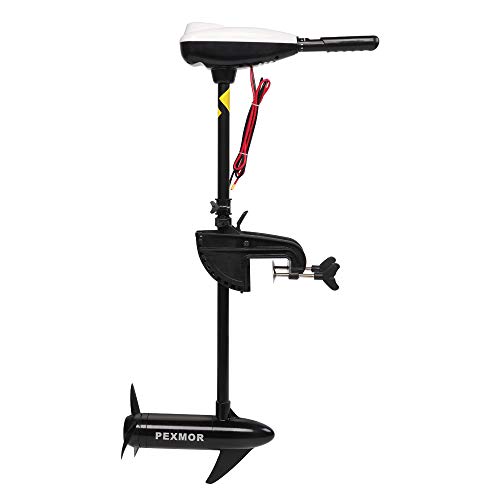
Best for balanced power on medium-to-large boats, this 55 lb thrust trolling motor offers 8 speeds with a 6″ telescoping adjustable handle. It includes depth and angle adjustments for varied water conditions and a bright LED indicator. It is a versatile choice for anglers who need reliable thrust with easy tilt/trim control.
Who it’s for: boaters seeking adjustable control and consistent performance in moderate conditions. Why selected: solid power-to-weight ratio and flexible handling. Caution: performance depends on boat weight and water conditions; efficiency can vary with load.
PEXMOR 36LBS Thrust 8 Speed
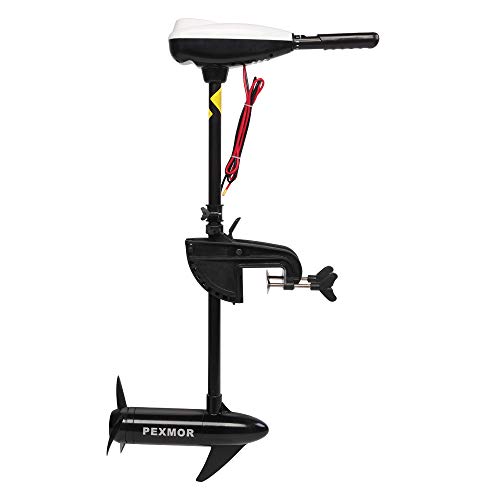
Best for compact boats and tight budgets, this 36 lb thrust model provides 5 forward and 3 reverse speeds with a 6″ adjustable handle. It emphasizes efficiency and quiet operation for smaller craft while keeping setup straightforward. A practical choice for light-duty use where portability matters, such as paddling kayaks or small jon boats.
Who it’s for: boaters on a budget or with very small vessels. Why selected: affordable, straightforward option with adequate control. Caution: not ideal for bigger boats or strong current conditions; thrust is on the lighter end.
Buying Guide: Key Purchase Considerations
- Vessel type and size: Match thrust to boat weight and intended conditions. Smaller craft benefit from 30–36 lb units; bigger boats can require 55–62 lb models.
- Battery and electrical compatibility: Check voltage (12V vs 24V/36V), battery capacity, and charging options to align with motor requirements.
- Propeller design: 2-blade for efficiency and lighter boats; 3-blade for more thrust in rough water or higher load.
- Shaft length and mounting: Ensure shaft length fits transom height and boat design to prevent cavitation or flooding.
- Control and usability: Look for telescoping handles, tilt/trim adjustments, and LED battery indicators for easier operation.
- Saltwater vs freshwater: Corrosion resistance is crucial for saltwater environments; confirm suitability in product specs.
- Weight and portability: Lighter motors offer easier handling on small craft, but may provide less thrust in demanding conditions.
- Maintenance: Prefer models with simple maintenance and clear access to controls and propeller.
FAQ
- What is the typical best thrust for a kayak?
Most kayaks perform well with 30–36 lb thrust for calm water and light loads.
- Do these motors work in saltwater?
Yes, many Newport and PEXMOR models are designed for saltwater use, with corrosion-resistant construction.
- How do I choose between 2-blade and 3-blade propellers?
2-blade props are lighter and more efficient; 3-blade props deliver more thrust in heavy conditions.
- Is a higher voltage motor always better?
Not necessarily. Higher voltage requires compatible batteries and charging setups; a good match to your boat size and usage matters more.
- What maintenance is needed for these motors?
Regularly inspect the propeller, check for corrosion, and ensure connections are clean and tight; lubricate moving parts as recommended by the manufacturer.