Looking for a reliable transom mount electric motor? This guide highlights five top options designed for different boat sizes and fishing styles. Best for anglers seeking quiet, efficient propulsion with easy steering, these models cover light-duty kayaks to mid-sized jon boats. Each choice includes a clear use-case and a practical note to help you decide quickly.
Summary of chosen products:
- Minn Kota Endura C2 Transom-Mount Electric Trolling Motor – 30 Lb. Thrust
- Newport NV-Series 62lb Thrust Trolling Motor – Saltwater, 12V
- Newport NV-Series 36lb Thrust Trolling Motor – Saltwater, 12V
- Minn Kota Endura C2 Transom-Mount Electric Trolling Motor – 40 Lb. Thrust
- Minn Kota Endura C2 Transom-Mount Electric Trolling Motor – 50 Lb. Thrust
Minn Kota Endura C2 30 Lb Transom Motor
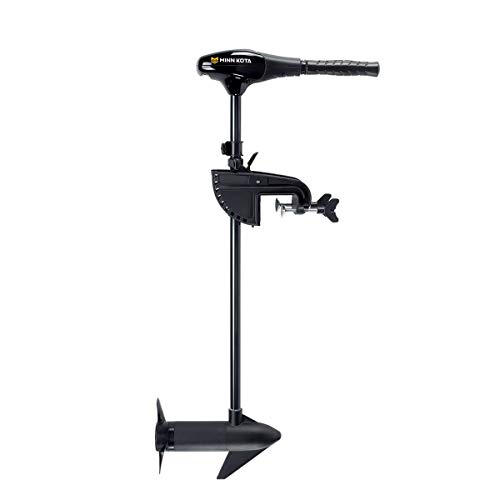
Best for small freshwater boats and budget-conscious anglers. This 30 lb thrust model uses a 30-inch shaft and reinforced composite construction for durability. It features a 6-inch telescoping tiller for all-day comfort and a push-to-test battery meter on the motor head. The 10-position lever lock bracket allows quick angle adjustments, and the Power Prop is designed to push through light vegetation. Use this when you need reliable, compact performance without heavy power requirements.
Who it’s for: Small boats, freshwater use, casual fishers who value compact setup and straightforward controls. Why selected: Combines essential features with durable materials at a friendly price point. Caution: May struggle in thick vegetation or strong currents compared to higher-thrust models.
Newport NV-Series 62lb Thrust (Saltwater)

Best for larger boats and saltwater conditions. This 62 lb thrust trolling motor is built to handle wind, current, and extended runs. Designed for saltwater use with corrosion-resistant construction, it delivers robust propulsion and better control in challenging conditions. The 36-inch shaft supports mid-sized to larger vessels, and the LED battery indicator helps monitor charge availability.
Who it’s for: Bigger boats, saltwater environments, anglers needing steady power and reliability over longer trips. Why selected: High thrust suits demanding water, while the LED indicator aids battery awareness. Caution: Heavier unit may require more mounting and setup effort.
Newport NV-Series 36lb Thrust (Saltwater)
Best for lightweight kayaks, canoes, and small boats on saltwater and freshwater. The 36 lb thrust with a 30-inch shaft provides efficient, quiet propulsion with a focus on battery life. Its corrosion-resistant build suits coastal or lake environments. The motor balances portability with adequate power for calm to moderate conditions.
Who it’s for: Small craft operators needing quiet propulsion and good battery life. Why selected: Efficient 2-blade propeller and compact size suit portable setups. Caution: Not ideal for heavy current or strong wind scenarios.
Minn Kota Endura C2 40 Lb Transom Motor
Best for mid-size freshwater boats requiring higher thrust without stepping up to the heaviest models. This 40 lb thrust version uses a 36-inch shaft and features the same durable reinforced composite construction and easy control system as the smaller Endura C2 lineup. It excels when current, wind, and modest vegetation are factors.
Who it’s for: Medium boats, freshwater fishing, anglers who want more punch than 30 lb but not the largest motors. Why selected: Balanced power and durable build with familiar Endura features. Caution: Heavier than the 30 lb model, may require more mounting bandwidth.
Minn Kota Endura C2 50 Lb Transom Motor
Best for anglers who need strong mid-range to heavy-duty propulsion in freshwater. The 50 lb thrust version offers a longer 36-inch shaft and the familiar Endura C2 features, including the 6-inch telescoping tiller and a robust Power Prop for weedy conditions. Suitable for larger boats or tougher lake conditions.
Who it’s for: Mid-to-large freshwater boats requiring more thrust. Why selected: Higher thrust with proven Endura C2 reliability. Caution: Increased weight and drag compared to smaller models; ensure compatibility with boat transom.
Buying Guide: Transom Mount Electric Motors
- Boat size and weight: Match thrust to boat weight and typical load. Smaller craft benefit from 30–36 lb models; mid-sized boats often need 40–50 lb or more.
- Shafт length: Larger shafts (30–36 inches) support higher mounting height and deeper water, which helps in chop and wake. Shorter shafts are lighter and easier to haul onboard.
- Water conditions: Saltwater builds require corrosion resistance; freshwater units may suffice with standard finishes. Consider higher-thrust motors for windy or current-heavy rivers.
- Prop design: Three-blade props offer stronger thrust; two-blade props maximize efficiency and battery life for lighter loads.
- Controls and ergonomics: Telescoping tillers improve handling; look for integrated battery meters and easy-release brackets for quick adjustments.
- Battery considerations: Ensure your battery capacity supports the motor’s runtime. A marine-grade battery with a reliable meter helps prevent surprises on the water.
- Installation range: Check transom thickness and available mounting space. Some models include universal brackets and hardware for easier setup.
- Maintenance: Look for durable plastics and UV resistance to prolong life in sun-exposed marine environments.
Frequently Asked Questions
- What size transom motor do I need for a small kayak? A 30–36 lb thrust motor is typically suitable, depending on weight and water conditions.
- Are saltwater motors different from freshwater models? Yes, saltwater motors use corrosion-resistant components to withstand exposure to salt air and water.
- Is a longer shaft always better? Longer shafts help with higher mounting heights and choppy water but add weight and may complicate transport.
- Do all models have LED battery indicators? No; some have LED indicators, while others rely on separate meters. Check product features for confirmation.
- Can I use these motors on jon boats? Yes, many models are suitable, but verify thrust, shaft length, and mounting compatibility for your boat.
- How important is the propeller type? Prop design affects traction and battery use. Higher thrust may come with larger or more aggressive props.