If you’re looking to boost your kayak’s stability and reach, a trolling motor is the answer. These models provide quiet, steady propulsion ideal for long, patient casts and maneuvering in tight spots. This guide highlights five common picks for freshwater and light saltwater use, focusing on kayaks and small boats. Each option suits different boat sizes, battery considerations, and fishing styles. Use the quick comparisons below to choose the best fit for your needs.
Summary of selected products:
| Product | Best For | Shaft | Thrust |
|---|---|---|---|
| Minn Kota Endura C2 – 30 Lb | Budget-friendly kayaks | 30 in. | 30 Lb |
| Newport NV-Series – 36 Lb | Lightweight, portable setups | 30 in. | 36 Lb |
| Newport NV-Series – 46 Lb | Extra power for bigger setups | 30 in. | 46 Lb |
| Newport Kayak Series – 55 Lb | Saltwater-compatible kayaks | 24 in. | 55 Lb |
| Minn Kota Endura C2 – 40 Lb | Mid-size boats needing more torque | 36 in. | 40 Lb |
Minn Kota Endura C2 Transom-Mount Electric Trolling Motor – 30 Lb. Thrust, 30 in. Shaft
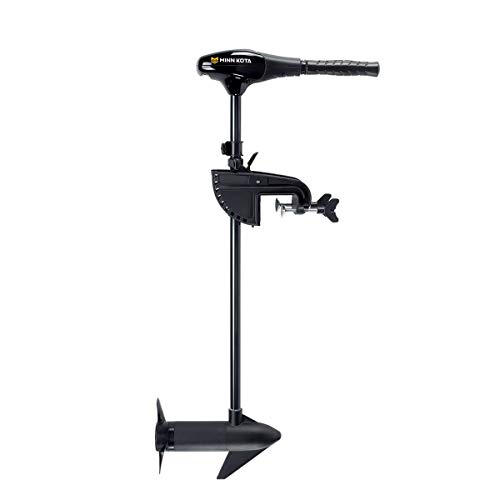
Best for value-conscious freshwater anglers using smaller kayaks. This model features a 6-inch telescoping tiller for comfortable control and a push-to-test battery meter, helping you monitor power without interrupting fishing. The 30-inch shaft accommodates shallow to mid-depth trolling. Use this when the boat weight is moderate and you prioritize simple setup. Caution: The motor is optimized for lighter propulsion and vegetation clearance is limited compared with higher-thrust options.
Newport NV-Series 36lb Thrust Trolling Motor 12V – Saltwater Transom Mount

Best for light-weight kayaks or canoes that need reliable saltwater performance without excessive weight. The 36lb thrust offers smooth, efficient propulsion with a 12V setup ideal for compact battery packs. It includes a straightforward propeller design aimed at conserving battery life. Choose this if you’re fishing in calm waters and want easy handling on small vessels. Limitation: Lower thrust than larger models may require slower speed settings in strong currents.
Newport NV-Series 55lb Thrust Saltwater Transom Motor – 30″ Shaft
Best for bigger boats, rougher water, or situations demanding strong push. The 55lb thrust provides robust propulsion with a 30-inch shaft and LED battery meter. It’s designed for saltwater use and offers adjustable mounting height and direction. Suitable for anglers needing more control in wind or current. Caution: Heavier weight may affect battery life and transportability on smaller craft.
Newport Kayak Series 55lb Thrust Transom Mounted – 24″ Shaft
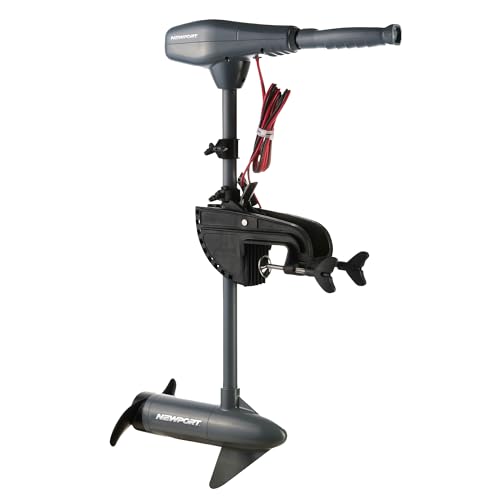
Best for saltwater-friendly kayaks that require flexible shaft depth. This model uses a 24-inch fiberglass shaft and a 55lb thrust, with corrosion-resistant components for long-term reliability. It offers eight speeds (five forward, three reverse) and a six-inch telescoping tiller for precise control. Choose this if you fish in variable depths and want strong performance with a compact shaft. Limitation: Shorter shaft may limit depth placement on taller hulls.
Newport Kayak Series 36lb Thrust Transom Motor – 24″ Shaft
Best for budget-minded kayaks needing reliable, light-duty power. The 36lb thrust is paired with a 24-inch shaft and eight-speed control, including a six-inch telescoping handle. It’s saltwater rated and built with magnesium, zinc, and stainless-steel hardware for durability. Choose this if you travel with a compact battery setup and prefer a lighter overall system. Caution: Lower thrust may be insufficient in strong currents or heavy wind.
Buying Guide: How to Choose the Right Trolling Motor for a Fishing Kayak
- Boat size and weight: Larger kayaks or inflatables may benefit from higher thrust (46–55 lb) and longer shafts (30 in.). Smaller boats perform well with 30–36 lb motors and 24–30 in. shafts.
- Water conditions: Saltwater use requires corrosion resistance and magnesium/zinc hardware. Freshwater setups can often use standard aluminum or composite components.
- Battery type and runtime: Higher thrust consumes more power. Plan your battery capacity and run time around your typical fishing trip length and speed needs.
- Shaf t length and depth: A longer shaft helps keep the prop out of debris and weeds, especially in choppy water. Ensure the shaft length matches hull depth and mounting height.
- Control features: Tiller vs. bow-mount, telescoping handles, and battery indicators affect ease of use on long days. GPS trolling and spot-lock features are available on higher-end models and influence fish-spot accuracy and battery management.
- Maintenance and durability: Look for reinforced housings and UV-resistant materials to withstand marine exposure and long seasons of use.
Frequently Asked Questions
- What size trolling motor do I need for a kayak? Choose based on boat weight and typical water conditions. Smaller kayaks usually do well with 30–36 lb thrust and 24–30 in. shafts; larger or tougher conditions may benefit from 46–55 lb thrust and 30 in. shafts.
- Are saltwater trolling motors worth it for kayaks? If you fish near brackish or coastal waters, saltwater-rated motors with corrosion-resistant hardware extend longevity.
- How do I choose between transom-mount and bow-mount for a kayak? Transom-mount is common for kayaks due to ease of installation and shorter shafts. Bow-mount is more common on larger boats and helps in precise steering with higher performance features.
- What maintenance helps extend motor life? Regularly check prop pins and fasteners, rinse with freshwater after saltwater use, and store with minimal exposure to UV when not in use.
- Can I install a trolling motor myself? Yes, most models come with straightforward mounting hardware and clear instructions for basic setup on a standard kayak or small boat.