The best trolling motor for a 17-foot boat balances thrust, shaft length, durability, and ease of use. This guide highlights five reliable options ideal for mid-sized craft, freshwater and nearshore saltwater use. It targets anglers and boaters seeking solid control, efficient battery use, and simple installation. The top picks below are chosen for stability on a 17-foot hull, ease of steering in choppy conditions, and straightforward mounting. A quick comparison table follows to help you compare key specs at a glance.
Quick comparison table of chosen products:
| Product | Thrust | Shaft Length | ||
|---|---|---|---|---|
| Minn Kota Endura C2 – 30 Lb | 30 lb | 30 in | Transom | Freshwater |
| Minn Kota Endura C2 – 40 Lb | 40 lb | 36 in | Transom | Freshwater |
| Newport NV-Series – 62 Lb | 62 lb | 36 in | Transom | Saltwater |
| Newport NV-Series – 36 Lb | 36 lb | 30-36 in (adjustable) | Transom | Saltwater |
| Minn Kota Edge Bow-Mount – 45 Lb | 45 lb | 36 in | Bow Mount | Freshwater |
Minn Kota Endura C2 Transom-Mount 30 Lb – 30″ Shaft
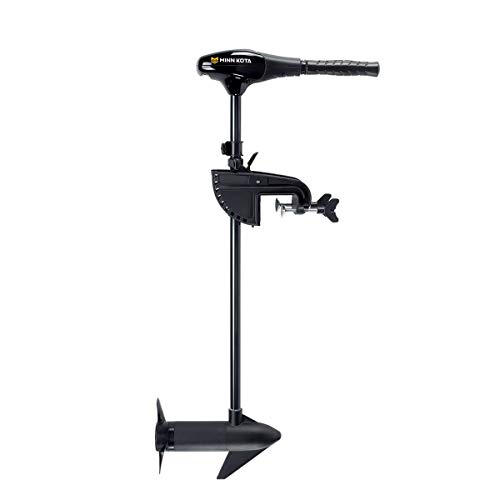
The Endura C2 30 Lb is a budget-friendly transom-mount option designed for freshwater use on 17-foot hulls. Best for casual anglers with smaller launches, it offers a 30-inch shaft and a telescoping tiller for comfortable all-day control. The unit includes a push-to-test battery meter and a lever-lock bracket for easy angle adjustments. Its reinforced composite construction resists UV damage and warping, making it durable in marine environments. Best for: anglers who want a simple, reliable trolling motor without extra features. Caution: limited thrust may feel underpowered in strong winds or current on larger loads.
Why it’s selected: Lightweight, straightforward installation, and basic reliability make this ideal for smaller boats or tighter budgets. It’s best for calm conditions or lighter gear setups where the boat weight remains moderate.
Best for: anglers prioritizing ease of use and budget over advanced navigation or high-speed trolling.
Minn Kota Endura C2 40 Lb – 36″ Shaft
The Endura C2 40 Lb version provides more thrust for bigger setups while keeping a simple, familiar interface. A 36-inch shaft helps keep the prop deeper in the water, improving performance in chop. The 6-inch telescoping tiller remains comfortable for all-day use. It shares the same push-to-test meter and lever-lock bracket, and its reinforced composite body resists marine wear. Best for: boats around 17 feet with mid-weight gear or slightly stronger breezes. Caution: higher thrust consumes more battery, so plan for battery capacity accordingly.
Why it’s selected: A good middle-ground for 17-foot boats needing extra thrust without stepping up to premium features. Better for choppier water than the 30-lb model but not as advanced as bow-mount options.
Best for: boaters who want more power than entry-level models but still prefer straightforward operation.
Newport NV-Series 62lb – 36″ Shaft

The Newport NV-Series 62lb is a high-thrust option designed for bigger boats or tougher conditions. Its 36-inch shaft helps keep the propeller deeper and more stable in wind and current, which is beneficial for a 17-foot boat operating in moderate chop or saltwater scenarios. This model provides solid torque to move through heavier vegetation and water resistance. Best for: larger 17-foot rigs or locations with stronger currents. Caution: higher power demands mean shorter battery life per trip if you don’t have a larger capacity battery.
Why it’s selected: For boaters who regularly face wind and current, the 62-lb thrust model delivers reliable control and faster planing under load, making it a strong choice for bigger outings.
Best for: serious anglers or coastal setups where extra power and resilience matter most.
Newport NV-Series 36lb – 30″ Shaft
This Newport NV-Series 36lb model balances weight and power for smaller boats or lighter loads. The motor is designed for saltwater and freshwater use with a 30″ shaft, LED battery indicator, and a 3-blade propeller that emphasizes efficiency and runtime. It offers adjustable mount height and direction, with eight speeds (five forward, three reverse). Best for: smaller 17-foot craft or anglers prioritizing battery life and quiet operation. Caution: lower thrust may require longer trolling times or lighter gear to maintain speed in heavier conditions.
Why it’s selected: The 30″ shaft and moderate thrust suit 17-foot boats on calm days or with light loads, making it a dependable option for near-shore work and gentle chop.
Minn Kota Edge Bow-Mount 45 Lb
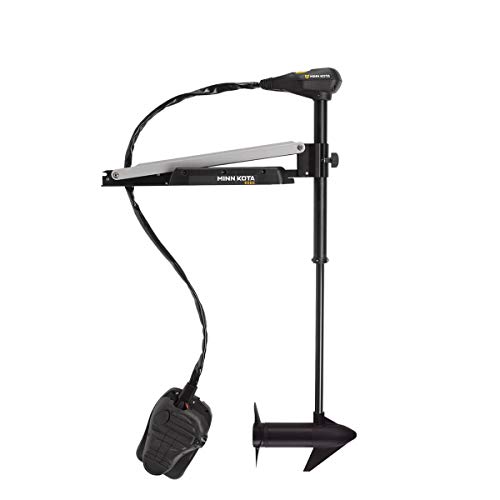
The Edge Bow-Mount 45 Lb model provides a bow-mount option with a 36-inch shaft and a responsive heel-toe foot pedal. It includes a latch-and-door bracket for easy stowage and a built-in directional indicator for quick orientation. Best for: boaters preferring bow control and hands-on steering in a variety of water conditions. Caution: bow-mounted motors may require more installation space and careful mounting alignment to optimize handling on a 17-foot hull.
Why it’s selected: The bow-mount design offers superior maneuverability and precise control for anglers who spend a lot of time steering manually, especially in tight spots or when docking.
Buying Guide: Key Considerations For A 17-Foot Boat
What thrust do you need? For a standard 17-foot setup with light gear, 30–40 lb thrust is typically sufficient in calm water. In windy conditions, current, or heavier loads, 55–62 lb thrust can provide more control and quicker repositioning without tiring the motor.
Which shaft length is right? A 30–36 inch shaft is common for 17-foot boats. A longer shaft helps keep the propeller deeper, improving bite in chop but can affect mounting height and clearance. Ensure the propeller stays fully submerged in typical water conditions on your boat.
Bow-mount vs transom-mount: Bow-mounts generally offer superior steering precision and control in tight spots, but require more complex installation and space. Transom-mount options are easier to install and often lighter, suitable for boats with moderate steering needs.
Freshwater vs saltwater: Saltwater-rated motors resist corrosion better and are designed for brackish or marine environments. If you fish in both salt and freshwater, consider a motor labeled for saltwater use to extend service life in harsh environments.
Battery and runtime: Higher thrust increases battery draw. Plan for a battery bank with enough capacity to meet your typical run times, and consider onboard battery meters to monitor charge. Some models include LED indicators to simplify monitoring.
Mounting and interface: Look for tiller length, ease of angle adjustment, and secure stowage features. A telescoping tiller improves comfort for longer sessions, while a lever-lock bracket speeds up setup and storage. For hands-free control enthusiasts, GPS-enabled models with remote access are worth considering.
FAQ
- What size trolling motor should I use on a 17-foot boat? For standard 17-foot boats, 30–40 lb thrust is common for calm water; 55–62 lb thrust is better in wind, current, or heavier loads.
- Should I choose a transom-mount or bow-mount motor? Transom-mounts are simpler to install and work well for most setups; bow-mounts offer enhanced steering precision and control in tight spaces.
- What shaft length is best for a 17-foot hull? A 30–36 inch shaft typically works well, ensuring the propeller stays submerged even in chop.
- Is saltwater durability important for a 17-foot boat? If you spend time in saltwater or brackish conditions, choose a saltwater-rated motor to resist corrosion and extend life.
- How do I estimate battery needs? Higher thrust means more battery drain. Calculate runtime by battery capacity and current draw, and consider spare capacity for longer trips.
- Do I need GPS features like spot-lock? GPS features add convenience and hands-free positioning for advanced anglers, but they’re optional if you prefer simpler control or tighter budgets.