Answer: Trolling plates are devices attached to the cavitation plate of an outboard or stern-drive to slow boat speed to about 1 MPH, making it easier to troll for fish while reducing gear strain. The top options below are suited for different engine sizes and installation preferences. This guide helps anglers choose the right plate for 50–300 HP motors, with notes on durability, ease of installation, and maneuverability.
Summary of selected products
| Product | Best For | Key Benefit | Limitations |
|---|---|---|---|
| Ironwood Pacific EasyTroller Standard | Mid-range engines (50–300 HP) | Smooth slow trolling with durable, hinged design | Standard version lacks fins for extra stability |
| Ironwood Pacific EasyTroller Standard with Fins | Engines 50–300 HP needing extra stability | Enhanced stability with fins for steadier steering | May require slightly more clearance behind prop |
| EasyTroller Short (30–45 HP) | Small builders and lighter boats | Compact, easy mounting, effective slow trolling | Lower HP range; performance independent of fins |
| EasyTroller Short with Fins (30–45 HP) | Small boats needing extra steering control | Fins add stability at low speeds | Fitment may vary with cavitation plate design |
| Haoguo Trolling Plate (50–300 HP) | Versatile boats seeking anti-damage design | Two-hook retractable design avoids water entry while reeling in | New design with unique retract mechanism; check compatibility |
Note: Always verify mounting compatibility with your specific outboard or stern-drive model before purchase. The exact performance can vary with hull design, propeller, and load.
Ironwood Pacific EasyTroller Trolling Plate – Standard
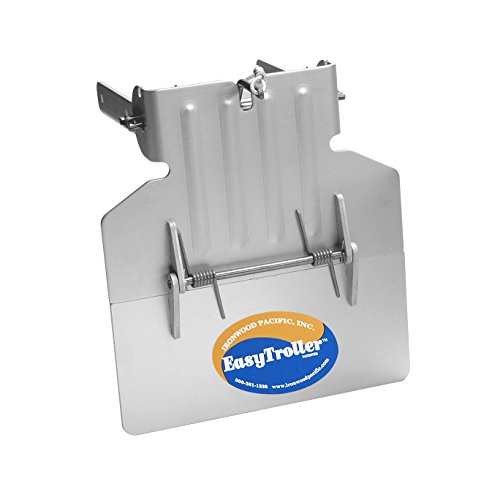
Best for mid-range engines (50–300 HP) that need reliable, easy-to-install slow trolling. Features include a simple installation mounting to the cavitation plate a few inches behind the propeller and a hinged plate design that flexes upward to resist damage during accidental acceleration. The product emphasizes slowing speeds to around 1 MPH for optimal trolling, making it a practical choice for anglers seeking predictable control. Suitable for boats where a straightforward upgrade is desired without fins for stability.
Who it’s for: Anglers with larger outboards who want a durable, no-fuss trolling solution. Why chosen: Balances simple setup with effective speed reduction. Caution: Standard model may be less stable in rough chop compared to finned variants.
Ironwood Pacific EasyTroller Trolling Plate – Standard with Fins

Best for engines 50–300 HP needing extra stability. The fins provide enhanced directional control at slow trolling speeds, helping maintain a straight course and reducing drift. The hinged plate remains the core protective design to prevent damage from sudden acceleration. Easy installation remains a hallmark for this variant, mounting directly to the cavitation plate behind the propeller. This version suits boats that encounter light chop or wind drift and benefit from improved steering confidence.
Who it’s for: Anglers who want steadier trolling in varied conditions. Why chosen: Fin-enhanced stability makes it better in windy or choppy waters. Caution: Slightly more parts mean more potential maintenance points than the standard version.
Trolling Plate, 50–300 HP Haoguo

Best for versatile outboard and stern-drive setups seeking a drag-board approach with anti-damage features. The Haoguo design emphasizes a hinged plate capable of absorbing impact from sudden acceleration, safeguarding the plate. It targets a trolling pace near 1 MPH and discusses innovative retractable hooks paired with ropes to avoid water entry during retrieval. This option offers a different mechanism for those curious about non-traditional retraction while remaining compatible with a broad horsepower range.
Who it’s for: Anglers who value a retractable, dry-entry trolling process. Why chosen: The retractable concept can reduce water exposure during retrieval. Caution: New mechanism may require more setup time and verification of compatibility with your boat model.
Ironwood Pacific EasyTroller Trolling Plate – Short
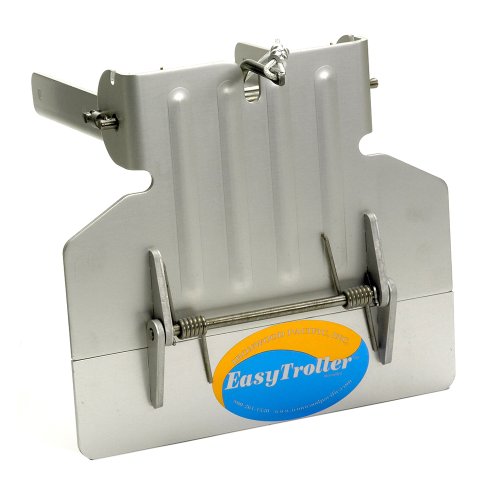
Best for smaller boats and lighter motors (30–45 HP) that still need reliable slow trolling. The Short version provides the same hinged plate concept in a compact form, mounting to the cavitation plate just behind the propeller. It primarily reduces trolling speed to about 1 MPH, offering a straightforward upgrade path for small craft without extensive engine room space. This variant is a practical choice for kayaks or compact powerboats used for calm-water trolling.
Who it’s for: Small boats with modest horsepower needing dependable slow trolling. Why chosen: Compact design fits smaller cavitation plates. Caution: May offer less stability in heavy seas compared to finned versions.
Ironwood Pacific EasyTroller Trolling Plate – Short with Fins

Best for small boats needing extra steering control. The Short with Fins adds stability for low-speed trolling on smaller horsepower ranges (30–45 HP). The fins help keep a straighter line and reduce drift in variable wind conditions. The hinged plate still protects against impact, preserving the plate during rapid acceleration or encounters with debris. This option offers a balanced mix of compact size and directional stability.
Who it’s for: Small crafters who want improved tracking at trolling speeds. Why chosen: Fin-assisted stability is valuable when wind shifts or current changes occur. Caution: Ensure cavitation plate can accommodate fins without interference with prop wash.
Buying Guide: Trolling Plate Essentials
What size engine and boat type should guide your choice?
For engines from 50 to 300 HP, look for the EasyTroller Standard or with Fins if you want steady tracking. For smaller boats with 30–45 HP, the Short variants provide compact, weight-conscious options. Evaluate your hull and propeller configuration to ensure the plate clears water flow without contact.
Do you need fins or a plain plate?
Fins add stability and reduce drift, especially in windy or choppy conditions. If you troll in calm water or need a simple install, the standard plate may suffice. Consider fins if your trolling involves variable conditions, or if you want more predictable tracking.
How does installation influence your choice?
All options attach to the cavitation plate behind the propeller. If your cavitation plate design is unusual or recessed, confirm compatibility with the mounting hardware. Short variants are typically easier to install on smaller boats with limited space.
What about durability and damage resistance?
Most models use a hinged plate design to flex upward under acceleration, protecting the plate from damage. If you frequently operate in environments with debris or shallow water, prioritize a model with robust hinge design and durable materials.
Are retractable or innovative designs worth it?
Retractable designs, like the Haoguo model, offer unique dry-retrieval features. They may appeal to anglers who prefer minimal water exposure during handling. Check compatibility with your boat’s deck layout and ensure maintenance access for the retract mechanism.
FAQ
- What is a trolling plate used for? A trolling plate slows boat speed for controlled trolling, typically around 1 MPH, enabling better lure presentation and reduced spooking of fish.
- Do I need fins on my trolling plate? Fins improve stability and tracking in wind or chop, but plain plates still reduce speed well on calm water.
- Can trolling plates damage outboards? Modern hinged designs protect the plate and drive components by flexing under sudden acceleration or impact.
- Are there high HP limitations? Most plates cover 50–300 HP; always verify your engine size and cavitation plate compatibility before purchasing.
- Is installation difficult? Installation is typically a straightforward mounting to the cavitation plate, but verify clearance behind the prop and any hull interference.
- Do retractable trolling plates exist? Yes; some models feature retractable designs to minimize water exposure during retrieval. Check fit and maintenance requirements for your boat.