Choosing the right underwater boat paint is essential for preventing fouling, reducing drag, and extending hull life. This guide highlights five reliable options for different hull materials and climates. Best for fiberglass boats, aluminum hulls, or metal components, these selections balance protection, dry-out times, and ease of application. Each product targets a distinct need—from barrier coatings to antifouling finishes—so buyers can pick the most suitable match for their craft and maintenance style.
| Product | Best For | Key Benefit |
|---|---|---|
| TotalBoat TotalProtect Epoxy Barrier Coat System | Fiberglass boats and underwater metals | High-build epoxy barrier for blister prevention |
| Rust-Oleum Marine Flat Bottom Antifouling | Fiberglass, wood or steel hulls | Copper-based antifouling to prevent fouling |
| TotalBoat Outdrive AF Aerosol | Propellers and underwater metals | Zn-pyrithione corrosion protection |
| SENVEN Boat Paint | Topside, bottom, and waterline coatings | All-in-one high-gloss marine enamel |
| Rust-Oleum Topside Paint | Fiberglass, wood, or metal above waterline | Flexible oil-based formula with easy leveling |
Buyer profiles:
- DIY boatowners seeking barrier protection and blister prevention.
- Mariners needing antifouling properties for below-waterline performance.
- Metal components that require corrosion inhibitors and smooth finishes.
TotalBoat TotalProtect Epoxy Barrier Coat System (White, Quart)
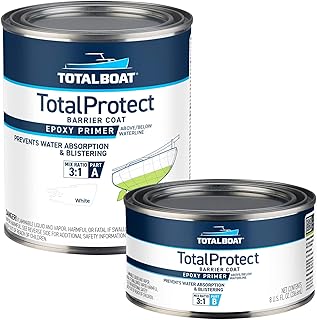
The TotalProtect system is a two-part epoxy primer and barrier coat designed for use above and below the waterline. It’s aimed at gelcoat blister prevention and repairs on fiberglass boats and also provides durable protection for underwater metals. Best for boaters needing a robust barrier against moisture intrusion and blister risk on fiberglass hulls.
Best for: Fiberglass hulls with blister risk and for metal surfaces requiring durable barrier protection. Strong emphasis on preventing blistering in harsh water conditions.
Limitations: Requires proper mixing and curing conditions; user should follow safety and ventilation guidelines for epoxy systems.
Rust-Oleum Marine Flat Boat Bottom Antifouling Paint, Quart, Black

This antifouling coating is formulated to prevent fouling below the waterline on fiberglass, wood, or steel surfaces by releasing copper over time. It’s a practical option for boats needing long-term underwater protection with easy recoat times. Best for budget-conscious owners who want a reliable antifouling finish with straightforward maintenance.
Best for: Fiberglass or wooden hulls that require consistent fouling prevention and easy recoat schedules. Choose this if you prefer a copper-based antifouling approach with simple preparation.
Limitation: Copper release performance depends on water conditions; not ideal for boats that stay submerged for extended periods without maintenance.
TotalBoat Outdrive AF Aerosol Spray Paint for Propellers & Underwater Metals

This aerosol paint is designed to inhibit corrosion on underwater metals such as propellers, outdrives, shafts, and trim tabs. It contains zinc pyrithione and offers a fast-drying formula. Best for quick, single-season protection with easy reapplication for metal components.
Best for: Quick-touch corrosion protection on underwater metal parts. Choose this if you want a fast-drying coating with zinc-based protection.
Limitation: Requires multiple coats for best protection; not a complete hull coating solution for entire bottom surfaces.
Boat Paint 35 Oz Gloss Marine Boat Topside Bottom Enamel Paint
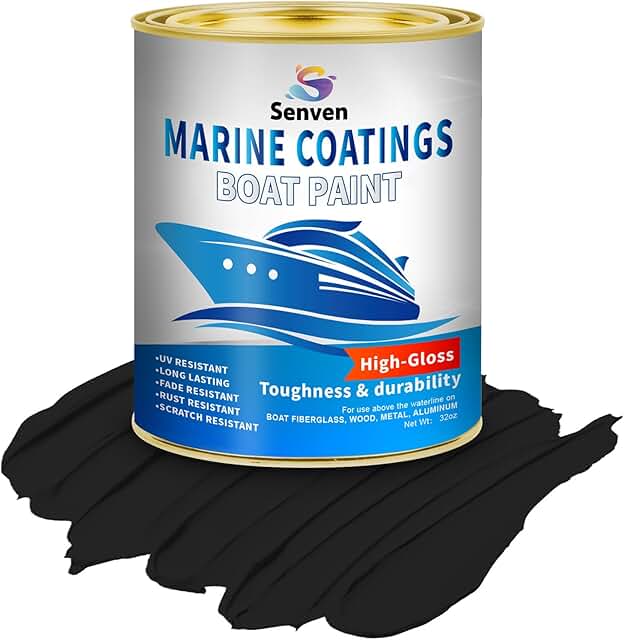
This all-in-one enamel is suitable for topside, bottom, and waterline coatings on boats, docks, and marine equipment. It adheres to marine surfaces such as fiberglass, wood, and metal and promises high-gloss durability. Best for owners who want a single, durable finish for multiple marine surfaces, with broad substrate compatibility.
Best for: Boats requiring a glossy, durable finish across topside and submerged areas. Choose this if you want a versatile enamel that sticks to multiple substrates.
Limitation: Not recommended for continuous submersion for more than 72 hours on bottom areas.
Rust-Oleum Marine Coatings Topside Paint, Quart, White

This top-side paint is ideal for above-waterline applications, featuring an oil-based formula that dries quickly and sands smoothly for an even finish. It’s flexible, provides good leveling, and covers up to 100 sq ft. Best for owners focusing on above-waterline aesthetics and protection with minimal fuss.
Best for: Above-waterline surfaces on fiberglass, wood, or metal where a smooth, easy-to-apply finish is desired. Choose this for straightforward topcoat projects with fast drying.
Limitation: Not designed for below-waterline applications; avoid using on submerged hull sections.
Buying Guide
What should I consider when choosing underwater boat paint?
- Hull material: Fiberglass, wood, aluminum, or steel may respond differently to specific paints and primers. Barrier coats help with blistering on fiberglass.
- Underwater vs above-waterline use: Separate products for below-waterline antifouling and above-waterline protection are common; some all-in-one paints may be limited in submersion duration.
- Application and cure times: Consider recoat windows, dry-to-touch times, and the number of coats required for optimal protection.
- Fouling risk: If you boat in warm, nutrient-rich waters, antifouling coatings with copper or biocide components can be advantageous but require longer-term maintenance planning.
- Environmental and safety factors: Epoxy barrier coats require proper ventilation and PPE; aerosol products require careful handling.
FAQ
- What is the difference between a barrier coat and antifouling paint? A barrier coat provides moisture protection and blister prevention for the hull, while antifouling paints prevent organisms from attaching to the hull below the waterline.
- Which coating is best for fiberglass hulls? Barrier coats like epoxy systems and antifouling paints formulated for fiberglass are typically recommended, depending on exposure and maintenance plans.
- Can I use an all-in-one marine enamel below the waterline? Some are suitable for limited submersion but may not perform as long as dedicated antifouling coatings in harsh marine environments.
- How soon can I recoat after applying bottom paint? Recoat times vary by product; always follow the manufacturer’s guidelines for curing and recoating windows.
- Is copper-based antifouling safe for the environment? Copper-based antifoulants can be effective, but owners should consider local regulations and potential environmental impact when planning maintenance.