Answering the common buyer question: vertical boat fuel tanks come in several sizes and materials, with aluminum tanks offering durability and long-term wear resistance, while smaller polyethylene tanks prioritize lightweight portability. The five highlighted options below cover different boat sizes and uses—from compact auxiliary tanks to larger capacity cans—so you can pick exactly what fits your vessel and fueling needs. Each section explains who it’s best for, plus a practical caution to help you avoid common fitting or compatibility issues.
| Product | Capacity | Material | Best For | Note |
|---|---|---|---|---|
| JSD 10 Gallon Vertical Aluminum Fuel Tank | 10 gal | Aluminum | Mid-size boats needing robust outdoor durability | Includes mounting brackets |
| JSD 2.13 Gallons Vertical Aluminum Tank | 2.13 gal | Aluminum | Small boats or aux tanks for extended trips | Integrated level gauge |
| JSD 1.25 Gallons Auxiliary Vertical Tank | 1.25 gal | Aluminum | Compact setups, tight spaces | 1/4″ NPT outlet |
| JSD 4.5 Gallons Spun Aluminum Tank | 4.5 gal | Aluminum | Versatile, mid-range capacity | Easy mounting brackets |
| Scepter 12 Gallon Portable Marine Gas Can | 12 gal | Plastic (polyethylene) | Longer runs, portable and space-saving | Built-in gauge and vented cap |
JSD 10 Gallon Vertical Aluminum Fuel Tank

The JSD 10 Gallon Vertical Aluminum Fuel Tank is built from corrosion-resistant aluminum designed for outdoor work, marine use, and RVs. It’s marketed to top American speed shops and ships directly from the factory, offering a balance of durability and value. Best for boaters needing a solid mid-range tank with robust mounting options.
Best for: boaters requiring a durable, larger-capacity vertical tank that can withstand rough environments. Why selected: aluminum construction minimizes corrosion risk and supports long service life. Caution: ensure mounting brackets are compatible with your transom or interior layout to avoid clearance issues.
JSD 2.13 Gallons Vertical Aluminum Tank

This 2.13-gallon vertical tank from JSD Auto Parts emphasizes integrated level measurement, helping you monitor fuel levels without guessing. Built from durable aluminum, it’s suited for small to mid-sized boats or as a compact auxiliary tank on larger craft.
Best for: boaters who want a compact, easy-to-read fuel level indicator. Why selected: integrated gauge eliminates guesswork. Caution: check NPT outlet size to ensure it matches your fuel line fittings.
JSD 1.25 Gallons Auxiliary Vertical Tank
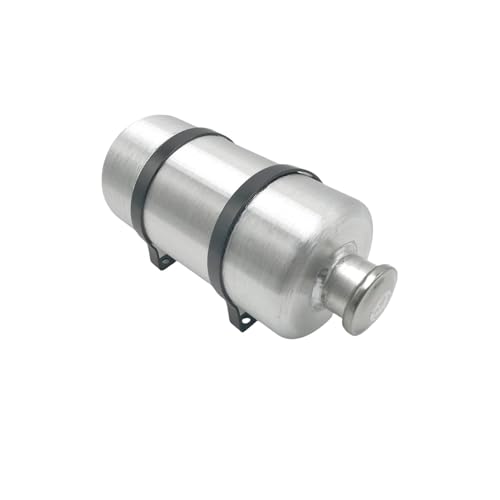
This 1.25-gallon auxiliary tank from JSD Auto Parts is designed for tight spaces where a small vertical tank is required. It features an integrated level gauge and aluminum construction for corrosion resistance on the waterline.
Best for: vessels with limited space requiring a small-capacity tank. Why selected: compact size fits cramped compartments. Caution: ensure the outlet orientation aligns with your engine or fuel line routing.
JSD 4.5 Gallons Spun Aluminum Tank

The JSD 4.5 Gallon Spun Aluminum Tank combines a robust aluminum build with user-friendly mounting. It’s a versatile option for boats requiring a mid-range tank with reliable durability and straightforward installation.
Best for: boats needing a durable mid-capacity tank with simple mounting. Why selected: durable construction and easy installation. Caution: ensure bracket mounting hardware is compatible with your boat’s deck or console layout.
Scepter 12 Gallon Portable Marine Gas Can

The Scepter 12 Gallon Portable Marine Gas Can offers a large-capacity option with a two-way vented cap and built-in fuel gauge for quick checks. Its portable, tall profile makes it suitable for longer trips where space is at a premium and portability matters.
Best for: boaters seeking a high-capacity, portable fuel container with visibility and venting features. Why selected: built-in gauge and vented cap promote safer, easier refueling. Caution: plastic construction may be heavier and less durable than metal when exposed to rough conditions; store away from direct sun when not in use.
Buying Guide: Key Considerations for Vertical Boat Fuel Tanks
- Capacity needs: Match tank size to your typical trip length and engine fuel consumption. Larger boats or longer excursions benefit from higher capacity or auxiliary tanks.
- Material choice: Aluminum tanks excel in durability and corrosion resistance; polyethylene tanks offer lighter weight and resistance to certain impacts. Consider exposure, mounting, and maintenance needs.
- Mounting and compatibility: Check mounting brackets, deck space, and wall or transom clearance. Confirm outlet threading (NPT) and hose compatibility with your fuel lines.
- Fuel gauge and monitoring: Integrated level gauges help prevent fuel shortages. If not built-in, plan for external gauges or dip sticks.
- Ventilation and safety: For portable cans like Scepter, vented caps reduce vapor pressure. Always observe EPA/CARB guidance and proper storage.
- Durability vs. portability: Heavier aluminum tanks are durable but bulkier. Lightweight polyethylene tanks are easier to move but may offer less long-term ruggedness.
- Maintenance considerations: Aluminum resists corrosion but can require cleaning after exposure to saltwater. Plastic tanks may be more forgiving with minor impacts but can degrade under UV exposure.
Frequently Asked Questions
- What is the best material for a vertical boat fuel tank? – Aluminum is typically best for durability and corrosion resistance in marine environments; polyethylene is lighter and portable.
- How do I choose tank capacity for my boat? – Consider engine size, fuel consumption, typical trip length, and available mounting space.
- Do tanks include mounting hardware? – Some listings mention brackets or brackets are included; verify with the seller before purchasing.
- Is a built-in fuel gauge important? – It helps monitor fuel levels to prevent shortages, especially on longer trips or when using auxiliary tanks.
- Are vented caps necessary? – For portable cans, vented caps help prevent vapor buildup; ensure compatibility with the fuel type you use (gasoline or diesel).
- Can I replace a tank without professional help? – Many tanks are designed for straightforward mounting, but verify compatibility with your boat’s fuel system and fittings before proceeding.