Answering the buyer’s search for durable, water-resistant boat paints, this guide highlights top marine coatings that stand up to saltwater, sun, and regular use. The selections cover top-side finishes, antifouling options, and non-skid deck coatings. Choose based on your boat type, material, and whether you need maintenance repairs, anti-slip features, or long-lasting color retention. The table below compares five highly relevant products to help you decide quickly.
| Product | Best For | Key Benefit | Notes |
|---|---|---|---|
| TotalBoat Wet Edge Topside | Powerboats, Sailboats, RV Exteriors | High-gloss, durable, easy to apply | Above-waterline use only |
| SENVEN Boat Paints (Blue & Red variants) | Hull coatings, exterior boat parts | High-gloss marine-grade durability | Not for continuous submersion longer than 72 hours |
| TotalBoat Underdog Antifouling | Frequent saltwater use, bottom protection | Economical single-season antifouling | Copper biocide; best for boats used often |
| Shuttle Art Acrylic Set | Craft projects near water, outdoor decor | Outdoor performance and waterproofing for crafts | Not a marine bottom paint; for non-surface immersion use |
| DURALUX Marine Enamel | Structures, topsides, and surfaces | Long-lasting enamel finish | Suitable for primed steel, metal, wood, aluminum, fiberglass |
TotalBoat Wet Edge Topside Marine Paint

TotalBoat Wet Edge Topside is a premium polyurethane coating designed for above-waterline surfaces on boats, RVs, and trim. It delivers a high-gloss, scratch- and chemical-resistant finish that retains color and sheen over multiple seasons. Best for owners seeking a showroom-like finish with straightforward application. It performs well on powerboat hulls, sailboat hulls, exterior trim, and doors. A single-part formula simplifies the painting process—roll-and-tip or spray—while maintaining a durable, easy-to-clean surface. A caution: it should be used only above the waterline, so plan alternative coatings for submerged areas.
Who it’s best for: Boat owners needing a showroom-grade topside finish with long gloss retention and simple, one-part application. Our pick suits those maintaining hulls and exterior trim where aesthetics matter as much as protection.
Why chosen: Combines high-gloss appearance, chemical resistance, and color retention with practical application methods — ideal for frequent maintenance and multi-season beauty.
Caution: Not suitable for below-waterline surfaces or immersion.
SENVEN Black Touch Up Pen Marine Paint
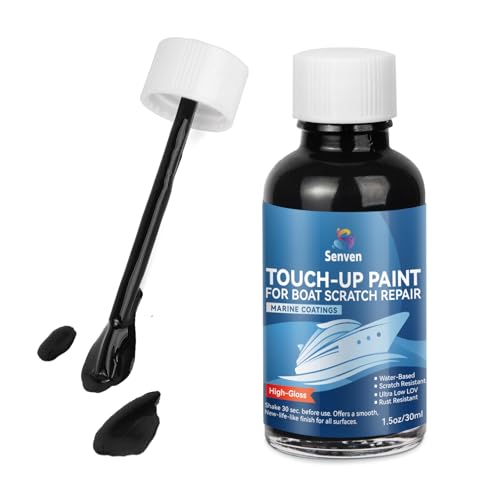
SENVEN’s touch-up pen provides a quick fix for chips, cracks, pits, and scratches on watercraft including jet skis, kayaks, sailboats, and docks. This all-in-one solution is highly convenient for small repairs on hulls, decking, and exterior parts. The product emphasizes durability and UV resistance with a built-in brush for precise application, minimizing the need for additional tools. It adheres well to metal, wood, fiberglass, and aluminum. A limitation: ideal for minor repairs rather than large resurfacing projects.
Who it’s best for: Boat owners needing rapid, on-the-spot touch-ups to maintain a seamless look between full coatings.
Why chosen: The built-in brush and compact design make it a practical, space-saving repair option for busy marinas or storage spaces.
Caution: Not designed for large-area refinishing or long-term structural protection on heavy-usage surfaces.
SENVEN Boat Paint, Gloss Blue

This SENVEN gloss blue marine paint is an all-in-one solution for topside and bottom coatings on hulls, wood, fiberglass, and metals. It emphasizes abrasion resistance and high-gloss durability for boats, docks, and equipment. It is particularly versatile for canoes, pontoon boats, aluminum hulls, and outdoor marine preparations. Important to note: not intended for continuous submersion on boat bottoms that stay in water for more than 72 hours, so plan accordingly for submerged sections.
Who it’s best for: Boat owners needing a durable, high-gloss topcoat that also adheres well to multiple substrate types, including aluminum and fiberglass.
Why chosen: It provides strong abrasion resistance and a consistent, glossy finish across varied marine surfaces, making it a flexible choice for mixed-material hulls.
Caution: Not suitable for long submersion; use a dedicated antifouling or submerged-surface coating where required.
TotalBoat Underdog Antifouling Bottom Paint
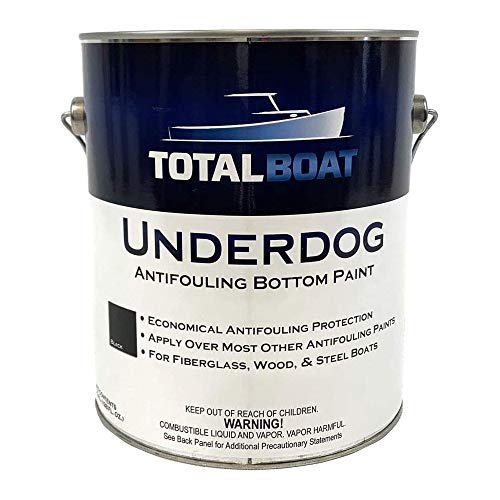
Underdog Antifouling Bottom Paint provides economical, single-season protection with a copper biocide that discourages barnacles and mussels from clinging to hull bottoms. It is designed for properly prepared fiberglass, wood, steel, and iron boat bottoms. The coating releases fresh biocide as water moves under the boat, maintaining antifouling effectiveness throughout the season. It’s best for boats used frequently in saltwater, and the coating wears away over the season to simplify next-year upkeep.
Who it’s best for: Regular saltwater users seeking a cost-effective antifouling solution that eases seasonal maintenance.
Why chosen: Provides practical, season-long protection against common bottom growth with a simple recoat approach for next season.
Caution: Best for properly prepped surfaces; not a long-term solution for boats left with static submerged hulls year-round.
DURALUX Marine Enamel Black

DURALUX Marine Enamel is a versatile topside coating that aims for a long-lasting, elegant finish on boats, bridges, and marine structures. It adheres to primed steel, metal, wood, aluminum, and fiberglass, making it suitable for commercial vessels or pleasure craft with mixed materials. The enamel promises saltwater and weather resistance for durable topside protection, contributing to a clean, professional appearance over time.
Who it’s best for: Owners needing a robust topside enamel suitable for multiple substrate types and harsh coastal environments.
Why chosen: Its broad substrate compatibility and emphasis on a lasting, clean finish make it a reliable choice for varied marine applications beyond hulls alone.
Caution: As with any enamel, ensure proper priming and surface preparation for optimal adhesion and durability.
Buying Guide: Key Considerations For Marine Paint Decisions
- Identify hull material (fiberglass, wood, metal, aluminum) and whether you need a topside, bottom, or deck coating. Some paints are specifically formulated for below-waterline use, while others are for above-waterline finishes.
- For boats that sit in water or routinely dive below the waterline, choose antifouling or submerged-surface coatings. For decks and topsides, prioritize abrasion resistance and UV stability.
- High-gloss finishes look premium but may require more frequent maintenance. Satin or matte topsides can hide minor imperfections but may have different cleaning needs.
- For minor chips, a touch-up pen or small repair kit can save time between full coatings. For larger areas, plan proper surface preparation and recoating windows.
- One-part paints are simpler to apply but may have limitations on long-term durability. Some coatings offer spray, roll-and-tip, or brush options for different skill levels and project scopes.
FAQ
What is the difference between topside paint and antifouling paint?
Topside paints protect above-waterline surfaces with UV resistance and gloss; antifouling paints prevent marine growth on submerged hulls by releasing biocides as water flows by.
Can I use any marine paint on fiberglass?
Most marine paints are formulated for fiberglass, wood, metal, and aluminum; always verify substrate compatibility on the product label.
How long does a typical marine paint cure before exposure to water?
Cure times vary by product and environment; follow label directions for recoat windows and water exposure guidelines.
Is a primer required for these paints?
Primer requirements depend on the substrate and paint type. Some topside paints require primed surfaces for optimal adhesion.
What maintenance helps extend the life of a painted hull?
Regular cleaning, avoiding harsh solvents, addressing chips promptly, and applying recoats within recommended timeframes can extend durability.