These weld-on boat trailer steps are designed to improve boarding and disembarking for anglers, divers, and every-day trailer users. The top picks below cover aluminum and steel constructions, reversible designs, and non-slip treads to suit different trailer types and climates. Each option targets a specific user: DIY trailer owners seeking durable, straightforward installs; professionals needing heavy-duty, reliable steps; and boaters who prioritize grip in wet conditions.
Summary of selected products
| Product | Material | Best For | Notes |
|---|---|---|---|
| Buyers Products B2744A | Aluminum | Lightweight, corrosion-resistant jobs | Reversible design with slip-resistant tread |
| Buyers Products B2744S2 | Steel Die Cast | Heavy-duty trailer steps | 2-pack, reversible with molded treads |
| MAXXHAUL 70089 | Steel | Heavy-duty performance on various trailers | Anti-slip, powder-coated finish |
| Eastrexon Boat Trailer Steps | Steel | Universal fit, robust safety | Non-slip surface and handrail |
| Aupar Heavy Duty Boat Trailer Steps | Steel | Strong, durable steps with handrail | Three-step design, anti-slip |
Buyers Products B2744A Aluminum Weld-On Step
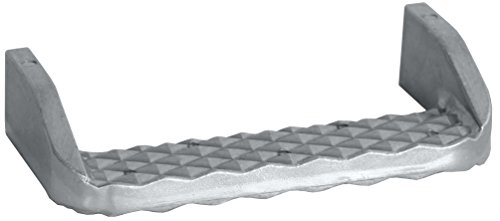
The B2744A is an aluminum weld-on step with a reversible two-sided design for flat top or integrated side guards. This affords flexibility in clearance and footing style for varying trailer configurations. It features molded slip-resistant treads on both sides to enhance traction in wet or muddy conditions. Best for light-to-midweight trailer applications where corrosion resistance and ease of installation are priorities.
Best for: DIY trailers and daily-use boats where weight savings and corrosion resistance matter. Caution: Aluminum may be less suited for extremely high-load scenarios compared with steel options.
Buyers Products B2744S2 Reversible Weld-On Truck Step

This 2-pack features a stainless-like steel die-cast construction with reversible design and molded treads for slip resistance. It’s well-suited for professional fleet setups or serious hobbyists who need multiple sturdy steps on trucks, trailers, and RVs. The dual-pack provides a cost-efficient solution for frequent entry points.
Best for: Users needing multiple steps with strong tread grip and a rugged build. Caution: Heavier than aluminum alternatives; ensure mounting hardware and frame compatibility match your trailer.
MAXXHAUL 70089 Heavy Duty Steel Trailer Step

The MAXXHAUL step is built from heavy-duty steel and offers a 300-lbs capacity, making it a robust option for boat and utility trailers. It features a non-slip textured surface to maximize traction even in wet conditions. This choice is ideal for frequent boarding on rugged or larger trailer applications.
Best for: Trailers that require a durable, high-capacity steel step. Caution: Steel construction can be heavier and may require more substantial mounting support.
CTW Steel Pontoon Boat Trailer Foot Pad Step

This foot pad step on the left or right side is meant for weld-on or bolt-on installation. It uses dimpled raw steel for durable footing and is sized at 7″ x 3.5″ x 1.5″. Bolts or fasteners are not included. Best for: Pontoon trailers needing a compact, sturdy foot pad for secure access. Caution: Requires compatible mounting hardware and may require welding or drilling.
MECTL Frame Mounted Boat Trailer Step

The MECTL frame-mounted step supports up to 300 lbs with a solid iron construction and robust welding. It features a black powder coating for rust resistance and a non-slip surface measuring 4″ x 7″. Best for: Those needing a high-capacity, rust-resistant step with a clean, low-profile look. Caution: Heavier installation may require professional mounting and adequate frame support.
Aupar Heavy Duty Boat Trailer Steps

The Aupar step offers a three-step design with a handrail and anti-slip surfaces. It is built from solid steel with a black powder coat for corrosion resistance and long-term use. Best for: Boaters who want safer, multi-step boarding with a secure handrail. Caution: The three-step design requires more mounting space and careful alignment on smaller tongues.
Buying Guide
Key considerations help match a weld-on step to your trailer and boat setup. Start with frame compatibility and weight capacity, then evaluate material and mounting style.
- Material and corrosion resistance: Aluminum offers lighter weight and good corrosion resistance; steel or powder-coated steel provides higher load capacity and durability in rugged conditions.
- Mounting method: Weld-on steps require welding or compatible mounting hardware. Bolt-on options are easier to install but may not be as rigid as welded connections.
- Weight capacity: Choose a step with a capacity that exceeds your combined weight and anticipated dynamic loads during boarding.
- Tread design and traction: Look for molded or textured slip-resistant surfaces, especially for wet or icy days.
- Footprint and compatibility: Ensure the step fits your trailer frame size (common widths like 3″ x 5″ frames) and does not obstruct other components.
Practical questions for buyers
- Will I mount on aluminum or steel frames, and does this affect material choice? – Aluminum is lighter and corrosion-resistant; steel supports higher loads but may require more maintenance.
- Do I need a reversible design? – Reversible steps offer flexible mounting orientation to fit clearance and footing preferences.
- Is a handrail important for safety? – Handrails improve stability, especially on moving water or for elderly or less mobile users.
- Should I choose a single-step or multi-step solution? – Multi-step options provide easier boarding but require more mounting space.
FAQ
- What is weld-on vs bolt-on in trailer steps? – Weld-on involves permanent attachment to the frame; bolt-on uses hardware to secure, allowing removal or replacement.
- Are these steps suitable for pontoons and bass boats? – Yes, several listed options are designed for pontoon and bass trailers with compatible frame sizes.
- How do I ensure slip resistance in wet conditions? – Choose steps with molded or textured treads and consider adding anti-slip mats where needed.
- Can I install these myself, or should I hire a professional? – Basic installations can be DIY if you have welding or mounting experience; consult a professional for complex hardware or structural concerns.
- Do these steps contribute to trailer stability? – They help safe boarding and reduce slipping, which can improve overall handling during loading and unloading.