Looking for a wireless trolling motor for a kayak? This guide highlights the best options that maximize control, extend battery life, and perform in saltwater or freshwater. Each product is evaluated for who it’s best for, plus a practical caveat to consider before you buy. The list focuses on kayak-specific, wireless-capable motors that blend portability with reliable power, so you can choose with confidence whether you’re fishing calm rivers or braving coastal waters.
| Product | Best For | Key Benefit |
|---|---|---|
| Newport Kayak Series 55lb Thrust | Saltwater kayak anglers | Durable aluminum head and 24″ kayak shaft |
| AQUOS Haswing CaymanT 55lb | Remote-control seekers | 2.4 GHz wireless remote, depth-adjustable |
| Minn Kota Terrova Bow-Mow 55lb | All-day freshwater anglers | GPS Spot-Lock and AutoPark features |
| Garmin Force Current Kayak | Hands-free control fans | Wireless integration with pedal and remote options |
| Newport NV-Series 36lb | Portable small craft | Lightweight, saltwater capable, efficient two-blade prop |
Newport Kayak Series 55lb Thrust Transom Motor
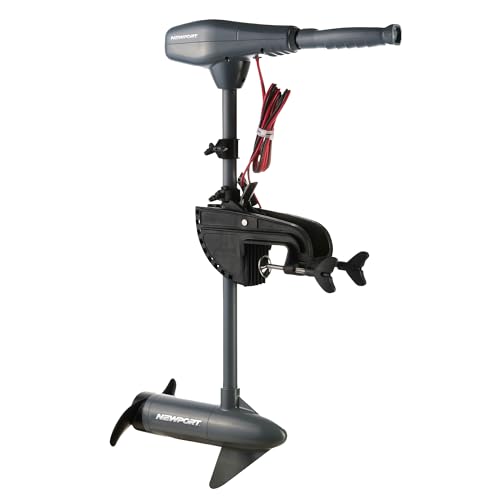
Best for saltwater kayak anglers who want strong propulsion with a corrosion-resistant build. The 24-inch fiberglass kayak shaft allows for flexible depth placement, and an 8-speed variable setup (5 forward, 3 reverse) provides precise control. The motor head uses all-aluminum construction with resistant hardware for longevity in saltwater environments. This motor is ideal for paddlers who prioritize robust, dependable performance and straightforward power management.
Who it’s best for: saltwater kayak users who need lasting durability and a reliable thrust profile. Caution: lead-acid DC 12V requirements may necessitate compatible battery types and charging routines.
AQUOS Haswing CaymanT 55lb Remote Trolling Motor

Best for anglers who want hands-free guidance via a wireless remote. Features include a 2.4 GHz remote, depth-adjustable shaft, and LED battery indicator with a simple way to monitor power. Suitable for both saltwater and freshwater, and the remote offers up to 164 feet of control range. This option is ideal for paddlers who value mobility and a compact, flexible setup.
Who it’s best for: kayak anglers who prioritize wireless control and remote operation. Caution: the depth tilt and remote range depend on environmental conditions; keep the remote charged for optimal performance.
Minn Kota Terrova Bow-Mount 55lb Trolling Motor

Best for freshwater anglers seeking advanced GPS and automatic positioning. The Terrova offers GPS Spot-Lock technology and a One-Boat Network App for precise vessel control. It also features an Easy Stow/Deploy system and Digital Maximizer technology to extend battery life. This option suits kayaks that can mount a bow-mount setup and anglers who rely on automated positioning in busy waters.
Who it’s best for: frequent freshwater users who want precise, automated positioning. Caution: GPS-centric features may require compatible mounting and app integration; ensure your kayak can support bow-mow installation.
Garmin Force Current Kayak Motor

Best for users who want seamless wireless integration and easy hands-free steering. The Force delivers reliable performance with optional foot pedals in bundles, offering a wireless handheld remote for gesture steering. It reduces deck clutter by pairing throttle and steering with wireless connections, accommodating various installation methods. This motor is a strong fit for kayaks where minimal cockpit clutter matters.
Who it’s best for: those who value wireless control with flexible installation. Caution: compatibility with existing kayak setups may vary; verify mounting options and space before purchase.
Newport NV-Series 36lb Thrust Trolling Motor

Best for lightweight setups on small crafts like kayaks and canoes. The NV-Series delivers 36 lb thrust with a 30″ shaft, designed for saltwater use and fueled by an efficient two-blade propeller. It’s a solid match for paddlers prioritizing portability and quiet operation, especially where battery efficiency matters most.
Who it’s best for: paddlers needing a compact, budget-friendly option for smaller vessels. Caution: lower thrust may be less suitable for choppy waters or heavier loads; consider boat size and conditions.
Buying Guide: Key Considerations For Choosing A Wireless Kayak Trolling Motor
- Power and Thrust: Match thrust to kayak size and typical load. Higher thrust is beneficial for heavier gear or rough waters, but it consumes more battery.
- Propeller Type: Two-blade props are common for efficiency; three-blade options provide better grip through weeds or heavy current.
- Shaft Length: A longer shaft helps in deeper water and deeper setups; a shorter shaft improves portability and clearance on shallow waters.
- Control Method: Remote vs. foot pedal vs. handheld. Remote control offers flexibility, while foot pedals provide hands-free steering in some bundles.
- Saltwater vs. Freshwater: Look for corrosion resistance, especially in saltwater environments. Some motors are explicitly rated for saltwater use.
- Mounting Style: Transom vs. bow mount. Bow mounts enable advanced positioning and GPS features but may require more mounting space.
- Battery Life and Efficiency: Digital maximizers and efficient propulsion extend run time. Consider compatibility with your battery type (lead-acid, Li-ion, etc.).
- Remote Range: Wireless remotes vary in range. A longer range offers more flexibility for shore-side control.
- Reliability and Support: Brand reputation and after-sales service can impact long-term satisfaction, especially for saltwater usage.
Frequently Asked Questions
- What is the typical range for a wireless kayak trolling motor remote?
Answer: Range varies by model, but many remotes operate reliably up to 164 feet under favorable conditions. - Do I need a GPS feature on a kayak trolling motor?
Answer: GPS features such as Spot-Lock are beneficial for maintaining position in currents or winds, but they require compatible mounting and setup. - Can a bow-mount motor be used on a kayak?
Answer: Yes, with proper mounting adaptations and space. Bow mounts offer precise control and features like autopark in some models. - Is saltwater-rated equipment necessary for all kayaks?
Answer: If you kayak in saltwater or coastal areas, corrosion-resistant hardware is important to prolong life. - Which motor is best for lightweight kayaks?
Answer: A lighter 30–36 lb thrust model is typically ideal for smaller kayaks and simpler setups, prioritizing battery efficiency. - What maintenance is required for electric kayak motors?
Answer: Regular battery maintenance, cleaning of corrosion-prone parts, and ensuring propeller and shaft clearance are kept in good condition.